
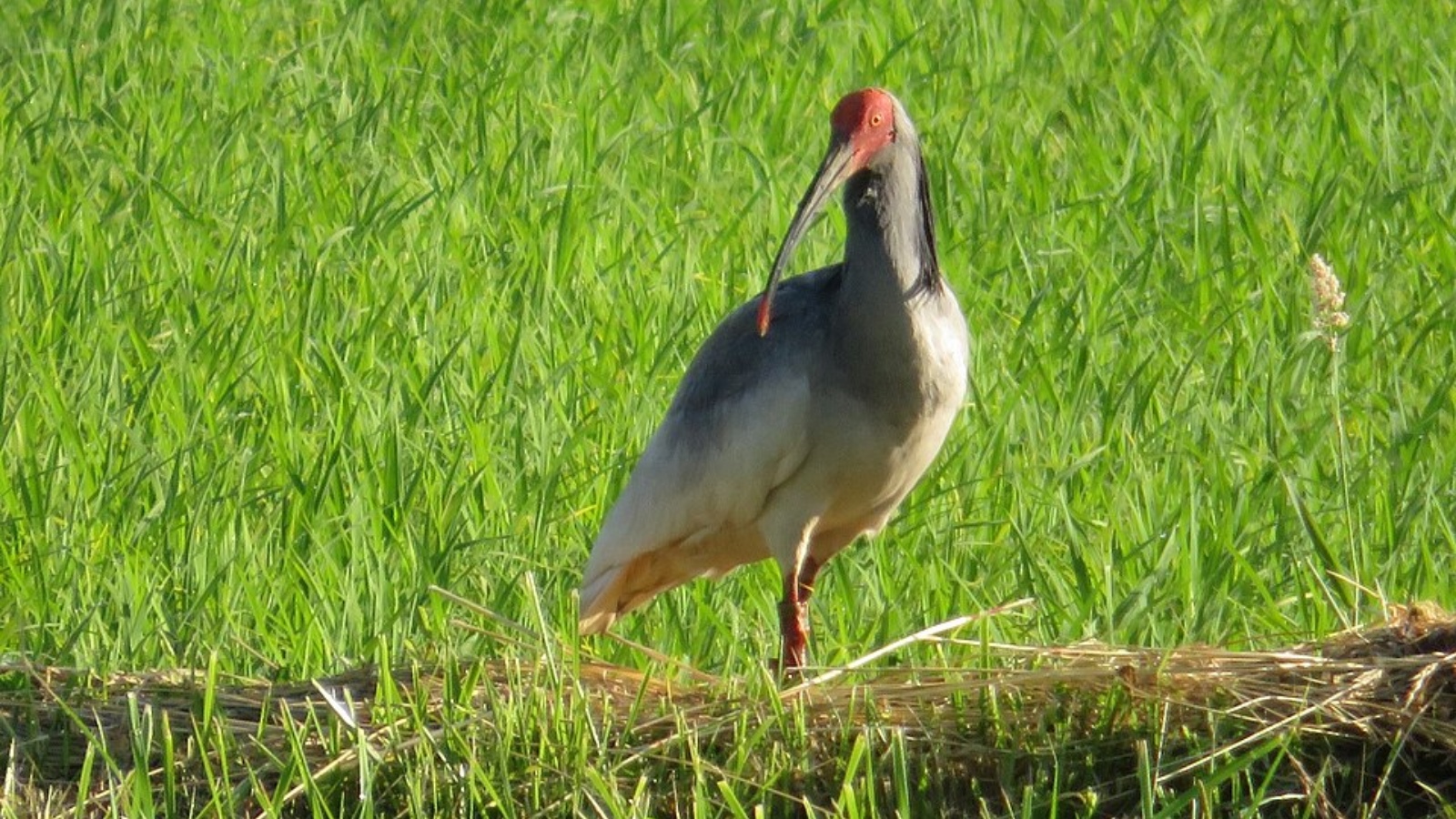
Japan released nine endangered crested ibises into the wild in Ishikawa Prefecture. This move marks the second such release on Honshu, the country’s main island. Officials hope to expand the bird’s habitat beyond Sado Island. A captive-breeding programme helped the species recover after the last native Japanese bird died in 2003.
Japan has released nine endangered crested ibises into the wild in Ishikawa Prefecture, marking only the second such release on Honshu, the country's main island. The move is part of a long-running effort to bring back a bird that became extinct in the wild in Japan and expand its habitat beyond Sado Island. The latest release follows the return of 18 ibises to the wild in the same prefecture earlier this year.
The crested ibis, known as toki in Japan, has a complicated conservation history. Once found across parts of Japan and wider East Asia, the bird declined because of overhunting, habitat loss and agricultural practices, including pesticide use. Japan's native population eventually disappeared, with the last Japanese crested ibis dying in 2003. A captive-breeding programme supported by crested ibises donated by China helped turn the situation around.
All about the crested ibis
The crested ibis (Nipponia nippon) is a distinctive wading bird recognised by its long, curved bill, white body, red facial skin and the crest of feathers at the back of its head. Its wings can show a striking pinkish-orange colour, especially in flight. In Japan, it is regarded as a special national natural treasure.
Historically, the species was distributed widely across Japan and parts of East Asia. But hunting, declining food sources and changes to agricultural landscapes caused its numbers to fall sharply. Pesticide use also reduced the availability of the insects and other small animals the birds feed on.
View this post on Instagram
A post shared by Arxipelag (@arxipelag.magazine)
How did Japan bring the bird back?
A major breakthrough came in 1999, when a pair of crested ibises from China successfully bred in Japan. The programme at Sado Island in Niigata Prefecture eventually produced birds suitable for reintroduction. In 2008, Japan released captive-bred ibises into the wild on Sado, beginning a new phase in the species' recovery. The wild population there has since grown to around 500 birds.
Why is the Honshu release important?
The latest releases aim to establish a population beyond Sado Island and restore the ibis to areas where it once lived. Noto in Ishikawa Prefecture was historically one of the bird's habitats on Honshu. According to The Japan Times, eight birds were released in Hakui earlier this year, in the first such release on Honshu in nearly half a century, followed by the latest release of nine birds in Nakanoto.
The conservation effort also depends on restoring the satoyama landscape -- a traditional Japanese rural environment of fields, wetlands, forests and human-managed habitats that can provide food and nesting areas for the birds.
Reports suggest that the next planned step is another release in Izumo, Shimane Prefecture, in 2027, as Japan continues working to expand the crested ibis' range and establish sustainable wild populations.
(With inputs from multiple sources)
Explore more captivating stories about pets and animals here, and make us your daily stop for the latest from the animal kingdom.