
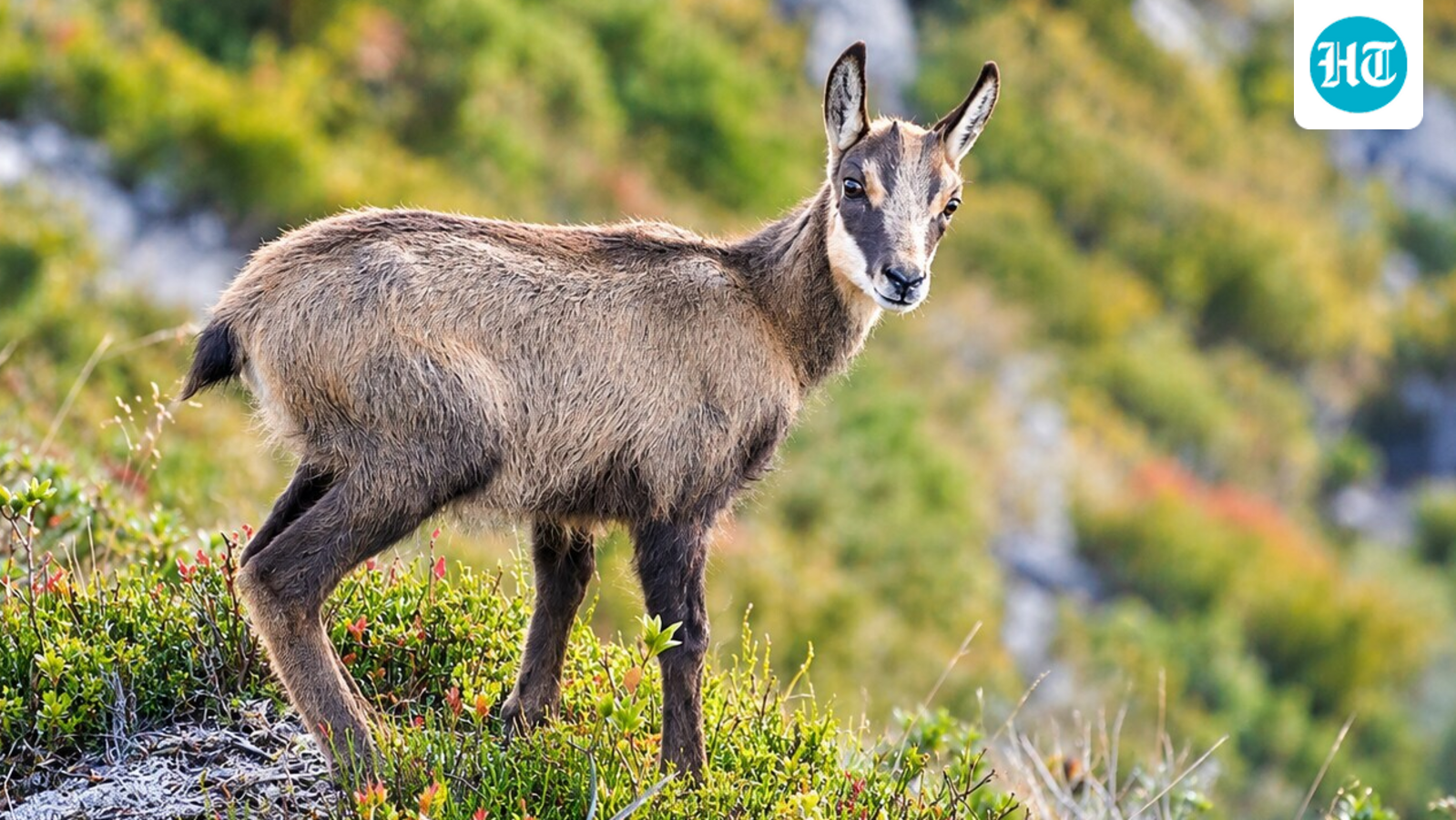
1907-ൽ ഓസ്ട്രിയൻ ചക്രവർത്തി ന്യൂസിലൻഡിന് സമ്മാനമായി നൽകിയ ഷാമോയി (Chamois) എന്ന മൃഗങ്ങൾ ഇന്ന് അവിടുത്തെ ആവാസവ്യവസ്ഥയ്ക്ക് വലിയ ഭീഷണിയായി മാറിയിരിക്കുന്നു. യൂറോപ്പിൽ നിന്നുള്ള ഈ മൃഗങ്ങൾ പർവതനിരകളിലെ അപൂർവ്വ സസ്യങ്ങളെ നശിപ്പിക്കുന്നു. ഇവയെ നിയന്ത്രിക്കാൻ ശ്രമിക്കുമ്പോൾ മറ്റ് അധിനിവേശ ജീവികളുടെ എണ്ണം കൂടുന്നത് പരിസ്ഥിതി പ്രവർത്തകരെയും ശാസ്ത്രജ്ഞരെയും ആശങ്കയില
Many of us have received gifts that were more trouble than they were worth. It might have been a gadget you couldn't figure out. New Zealand received a much bigger gift in 1907. Austria's Emperor Franz Joseph I provided the country with chamois, mountain animals similar to goats and native to Europe. A 2008 paper by John Parkes and David Forsyth published in the New Zealand Journal of Ecology compares the diets of chamois, Himalayan tahr, and brushtail possums.
Chamois have since spread across much of the South Island and are now found in many of its mountain ranges. It may sound like a nature success story, but there's a catch. Chamois eat plants, and some of these plants grow high up in the Southern Alps. Scientists have examined just what ends up on their menu, and the results are worth a closer look.
Parkes and Forsyth studied the diets of 78 chamois collected in the central Southern Alps from 1988 to 1996, so the data is decades old and today's diets and numbers may differ. They also looked at 246 Himalayan tahr and 113 brushtail possums. None of these three animals is native to New Zealand, and the paper states that the Department of Conservation manages all of them as pests. The team found that the chamois and tahr ate a lot of the same things. Tahr still ate more grasses, and chamois more herbs and woody plants. The food habits of all three animals also changed with the seasons.
So what does that mean for plants? The study suggests that managers who want to protect herbs such as Ranunculus, a group that includes buttercups, should control chamois. If they want to save snow tussocks, they should control tahr instead. The authors also offer a warning. In some places, low tahr numbers might increase chamois numbers, and this could have different effects on plants. You fix one problem, and another may arise.
Chamois are usually considered alpine animals, but they can be found in other places, too. A 2000 study in the same journal, 'Distribution and diet of chamois (Rupicapra rupicapra) in Westland forests, South Island, New Zealand,' examined chamois on the West Coast. Authors Ivor Yockney and Graham Hickling conducted a postal survey of commercial helicopter-based hunters. The survey showed that chamois were present in Westland forests from the timberline to sea level. They were most abundant over an area of about 1,600 square kilometers between the Wanganui and Karangarua rivers.
The team also examined the stomach contents of 40 chamois shot in spring and summer. Five food items each accounted for more than 5 percent of the dry weight among the 66 food items identified. The biggest were Carmichaelia, a group of native shrubs known as brooms, at 14 percent, and large-leaved Coprosma shrubs at 12 percent. Based on this, the authors say unmanaged chamois populations have the potential to impact regeneration of plant species important to the Westland forest community. Note the careful wording because the study does not say chamois have destroyed anything.
A royal gift from 1907 has become a modern-day puzzle for those who care about mountain landscapes. The chamois are not villains; they are just animals that eat what they find. However, the research suggests that what they eat can affect the plants that grow there. Such studies give managers real data, which helps them make careful choices, rather than guesses. They are also a reminder that moving a species around the globe often ends up leaving long-term consequences.