
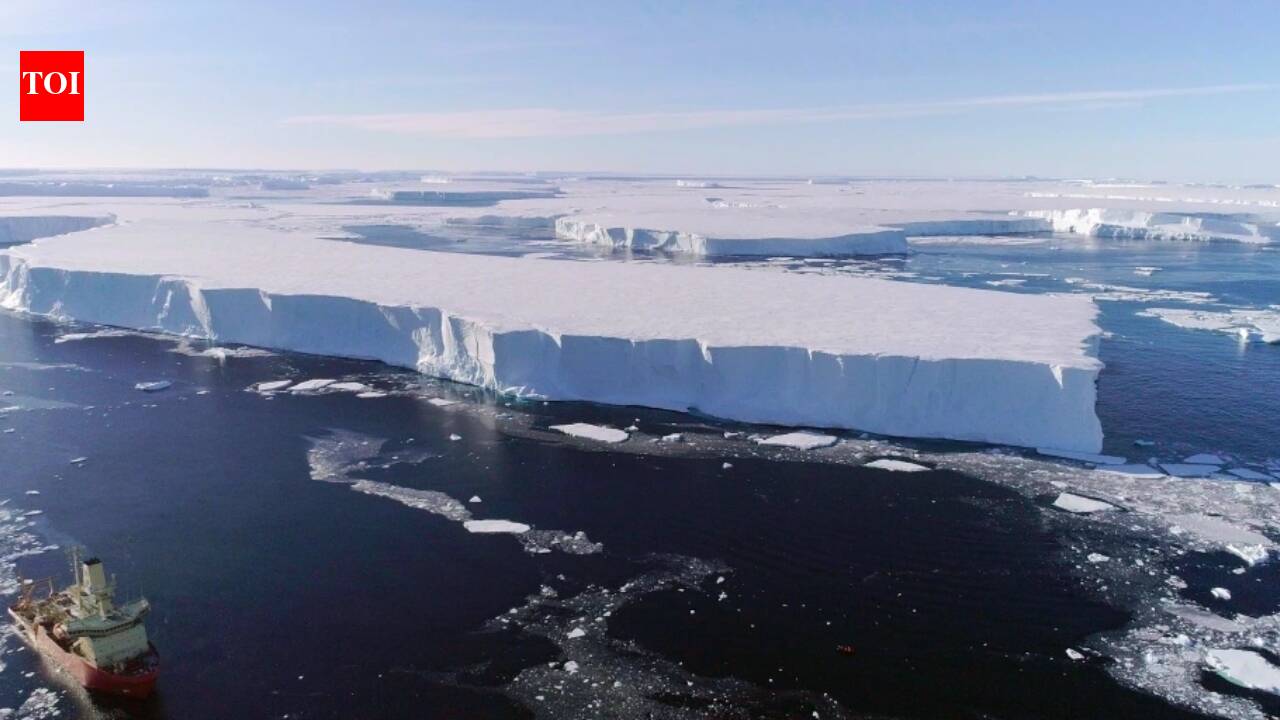
അന്റാർട്ടിക്കയിൽ 2021-23 കാലയളവിൽ മഞ്ഞുവീഴ്ച കൂടിയത് ആശ്വാസമായി കരുതിയെങ്കിലും അത് താൽക്കാലികം മാത്രമാണെന്ന് പഠനങ്ങൾ വ്യക്തമാക്കുന്നു. സമുദ്രനിരപ്പ് ഉയരുന്നത് തടയാൻ ഈ മഞ്ഞുവീഴ്ചയ്ക്ക് കഴിയില്ല. ആഗോളതാപനം മൂലം വൻതോതിൽ മഞ്ഞുരുകുന്നത് തുടരുന്നത് തീരദേശ നഗരങ്ങൾക്ക് വലിയ ഭീഷണിയാണ്. കാലാവസ്ഥാ വ്യതിയാനം അന്റാർട്ടിക്കയുടെ ഘടനയെ സങ്കീർണ്ണമായി ബാധിച്ചുകൊണ്ടിരിക്കുകയ
At first glance, it sounded like improbable good news: after decades of losing massive amounts of ice, Antarctica actually put on some weight between 2021 and 2023. And all of a sudden, everyone sat up straight with hope: unusually heavy snowfall was depositing more frozen water than the continent was shedding through melting and glacier flow. For a moment, it felt like maybe, just maybe, things weren't as dire as scientists had been warning all along.But that hope, it turns out, was short-lived. Scientists are cautious, and two recent developments serve as reminders that Antarctica's brief uptick isn't a real reversal of the continent's fate.In one major paper published in Nature Geoscience, researchers concluded that even with deep cuts to carbon emissions, Antarctica is basically locked in to more ice loss this century. And September 2026 marked something else troubling: Antarctic sea ice hit its third-lowest winter maximum since satellite records began. Even more telling, all four of the lowest winter maximums happened within the last four years.Here's the thing: "sea ice" and the "Antarctic ice sheet" aren't the same beast. Sea ice is just frozen ocean water, so its melting doesn't directly cause the oceans to rise. But the ice sheet sits on land, and when it breaks off and ends up in the ocean, that's when sea levels really start to climb. The combined picture from these new findings? Antarctica is shifting in dramatic and complicated ways, and it's not the turnaround some had hoped for.Around 2020, something unusual happened: a weather swing, triggered by abnormally warm ocean water in the tropics, sent more moisture and snowfall over parts of East Antarctica.A Nature study published in August found that unusually warm tropical ocean waters triggered atmospheric circulation patterns that increased snowfall over parts of East Antarctica. The effect was powerful enough to slow overall Antarctic mass loss and produce a net gain between 2021 and 2023.Another Nature study found that atmospheric rivers, which are the narrow corridors of exceptionally moist air, have also contributed to increased precipitation over Antarctica since 2020. The additional snow has temporarily outweighed continuing ice discharge from glaciers.But the catch is that this pattern's not here to stay. It's the climate equivalent of a lucky streak, not the new normal. The weather setup responsible tends to pop up once a decade. When it fades, so will this temporary gain. In the bigger picture, Antarctica's "weight gain" looks more like a brief pause than a recovery.Not really. Antarctica isn't a static deep-freeze waiting to melt; it's a system in motion. While snow piles up on the surface, glaciers are forever inching toward the sea, where they break off or melt and take their water with them. So, even if snowfall increases here or there, it doesn't offset glaciers dumping ice into the ocean.That's why recent research puts it so bluntly. The September 2026 study, combining observations with detailed models, found that, statistically speaking, Antarctica has about a 92% chance of continuing to lose mass even in the best emissions scenario. If humanity burns fossil fuels at the highest rates, the loss could mean 25 centimeters (almost 10 inches) of global sea-level rise just from Antarctic ice by 2100. Median estimates hover around 16 centimeters. Those are projections, not guarantees, but the message is clear: more ice is heading seawards.Another twist in the story: Antarctic sea ice has an even more dramatic story to tell. This past September, satellites showed just 17.59 million square kilometers of sea ice, which is a million less than the long-term average. Since 1979, only two years have seen lower maximums, and all of the record lows have clustered in just the last few years. Yes, sea ice fluctuates naturally, but this streak has scientists' attention. Sea ice might "only" cover about 9% of the world's oceans, but changes there ripple out, affecting global climate patterns and Marine life thriving in the Southern Ocean.Think about coastal cities. Antarctica's ice sheet holds a mind-blowing amount of freshwater. If all of it melted, sea levels could rise by nearly 58 meters (190 feet) -- not all at once, of course, but enough to redraw coastlines worldwide over centuries. Right now, smaller rises are already a huge deal: a billion people live near coasts, and 100 million are within a single meter of sea level. Even a modest jump amplifies flooding, storm surges, and erosion.What complicates things is just how uncertain Antarctica's contribution to future sea-level rise remains. The science is getting better, but gaps in our knowledge, especially around the continent's tricky-to-access coastline, still make it tough to pin down when, and how fast, the biggest glaciers will start tipping into the sea.Let's not dismiss the recent snowfall, which added a real chunk of mass to Antarctica and bought scientists a little breathing room. However, it's a blip, not a breakthrough. The main forces driving ice loss aren't gone; they're just on pause. Melting glaciers, historically low sea ice, and climate models all point in one direction: Antarctica's future still looks like one of loss.