
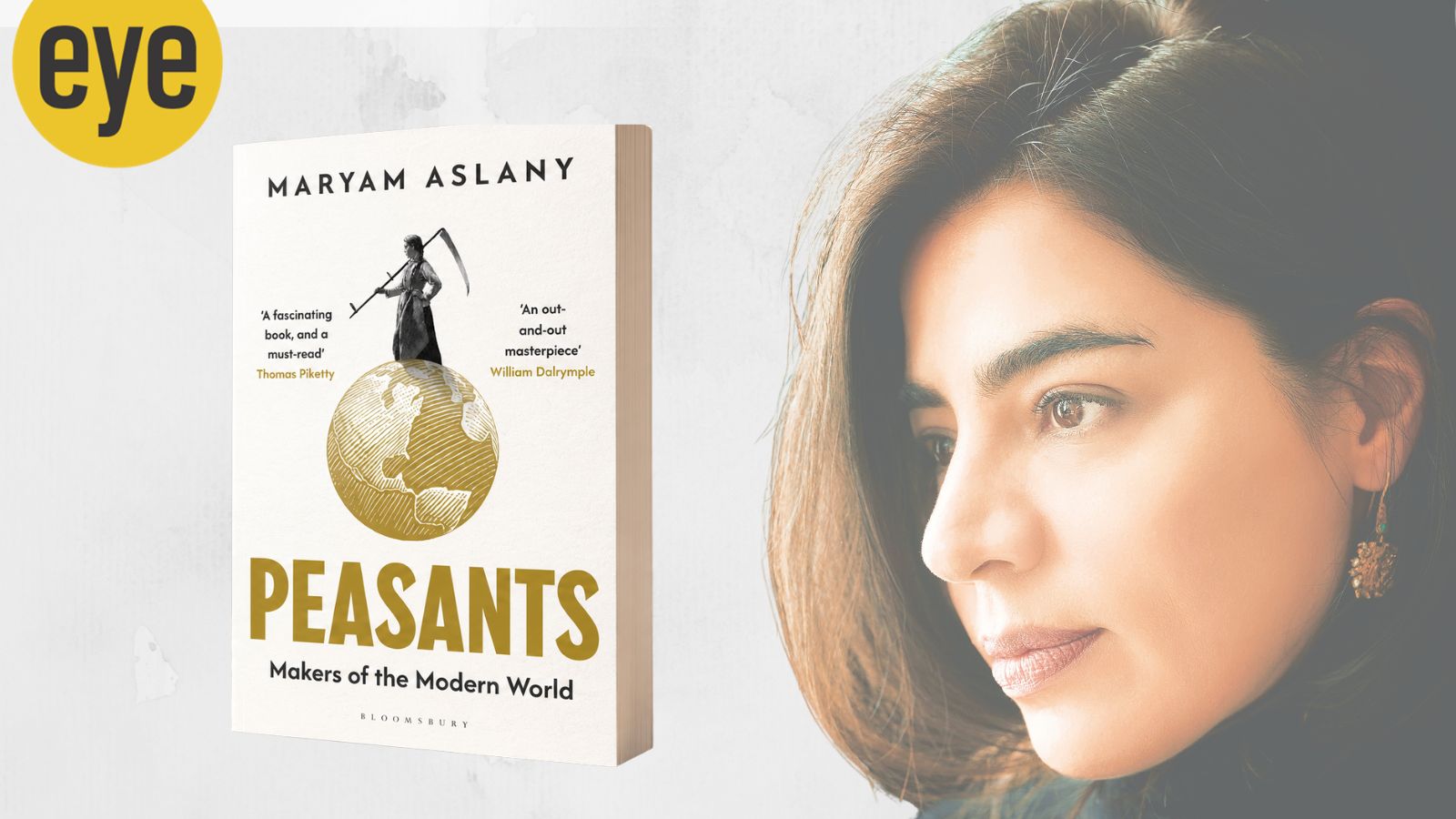
പൂനെയിൽ പഠിച്ച ഇറാനിയൻ ഗവേഷക മറിയം അസ്ലാനി ഇന്ത്യൻ കർഷകരുടെ ജീവിതത്തെയും അവർ നേരിടുന്ന കടക്കെണികളെയും കുറിച്ച് സംസാരിക്കുന്നു. 1991-ന് ശേഷമുള്ള ഗ്രാമീണ മധ്യവർഗത്തെക്കുറിച്ചും കർഷകരുടെ രാഷ്ട്രീയ ശക്തിയെക്കുറിച്ചും അവർ പഠനം നടത്തി. കർഷകരുടെ കടബാധ്യതകൾ വലിയൊരു ഭീഷണിയാണെന്നും ഭാവിയിലും ഇത്തരം പ്രക്ഷോഭങ്ങൾ തുടരുമെന്നും അവർ അഭിപ്രായപ്പെടുന്നു.
You studied in Pune, where you became interested in farming communities and their contributions. Tell us more about it.
I came to Pune from Tehran in 2002 for my undergraduate studies in Physics at Wadia College and stayed on until 2008 to finish my postgraduation. Pune was a natural choice as many Iranians come here for higher studies. I went on to do my Master’s at Oxford and a PhD in economic sociology at King’s College, London. But ever since, I have found myself coming back — to India and Pune, which I consider my second home. I often say Pune is the only city where I don’t need a Google map to navigate.
Around 2005, though, I noticed the city changing from the quiet, retirement city it was. Suddenly, it was booming with construction and crowds; migration and malls. Everyone talked about this change only from an urban perspective, but I found myself thinking that the change must be happening in the countryside too. This became the topic of my thesis: The rural middle class in post-1991 India. So India is where all my curiosity begins.
Was it familiarity with the terrain that led you to focus on Indian farmers through sugarcane cultivators in Maharashtra rather than, say, farmers in Punjab or Uttar Pradesh?
Yes, there was a comfort level with Maharashtra and the villages around Pune. I had even picked up a bit of Marathi during my stay, which was a huge help. Initially, I ventured into the Vidarbha region, known for farmer suicides, but then gravitated to western Maharashtra and the sugar belt.
What is your impression of the 2020 farmers’ protests in Delhi? Are we likely to see more of these?
The 2020–21 farmers’ protests were remarkable, both in scale and in their ability to sustain mobilisation for a long period. The fact that the government eventually had to listen demonstrated that organised farmers can still exercise considerable political power. Are we likely to see more such protests? I think farmer protests will remain a significant feature of political life.
Farmers are fighting from a position of enormous structural weakness. That’s one of the reasons global capitalism has remained so attached to peasants — it knows it can out-manoeuvre them. They are geographically dispersed, have limited resources and cannot abandon their fields for long. Meanwhile, political institutions, capital, markets and media are overwhelmingly concentrated in cities. It isn’t just a struggle over prices or legislation; it’s a war of ideas, over how urban societies see farmers and the land that feeds them.
Other than sugarcane, what made you choose the other three crops you write about in your book — rice in China, coca in Latin America and cocoa in Ghana?
All three crops are grown by small farmers and are vital supply-chain commodities. Coca — let me compare legal and illegal peasant economies — the leaf itself is legal in Peru, but whom you sell it to isn’t. The selection also spans Asia, Latin America and Africa. These crops shape society deeply — be it their family, marriages or land management. Also, despite different ecologies, all these farmers share nearly identical economic and political struggles.
During your travels through these continents, was there any experience that moved you?
I spent quite a lot of time trying to write about the remoteness of these places. Beyond this remoteness, there is a familiar world. I have never seen the degree of hospitality anywhere in the world. One person I was struck by during my fieldwork was Anil, a sugarcane cutter in Maharashtra, who didn’t know how old he was. When I asked about his dreams, he said, “My dreams died when I was born.” He described himself as a knife or koyta or a machete, that’s how they are counted as labourers in the sugarcane fields, each hand is a knife, the children are counted as half a knife. I was really, really shaken.
Do you think climate change is the biggest threat for farmers now?
The big threat is actually debt: moneylenders are growing everywhere like mushrooms and are charging astronomical interest rates. The situation of small farmers, anywhere in the world, is a cycle of eternal debt. Climate change enters a system already in crisis and intensifies it.