
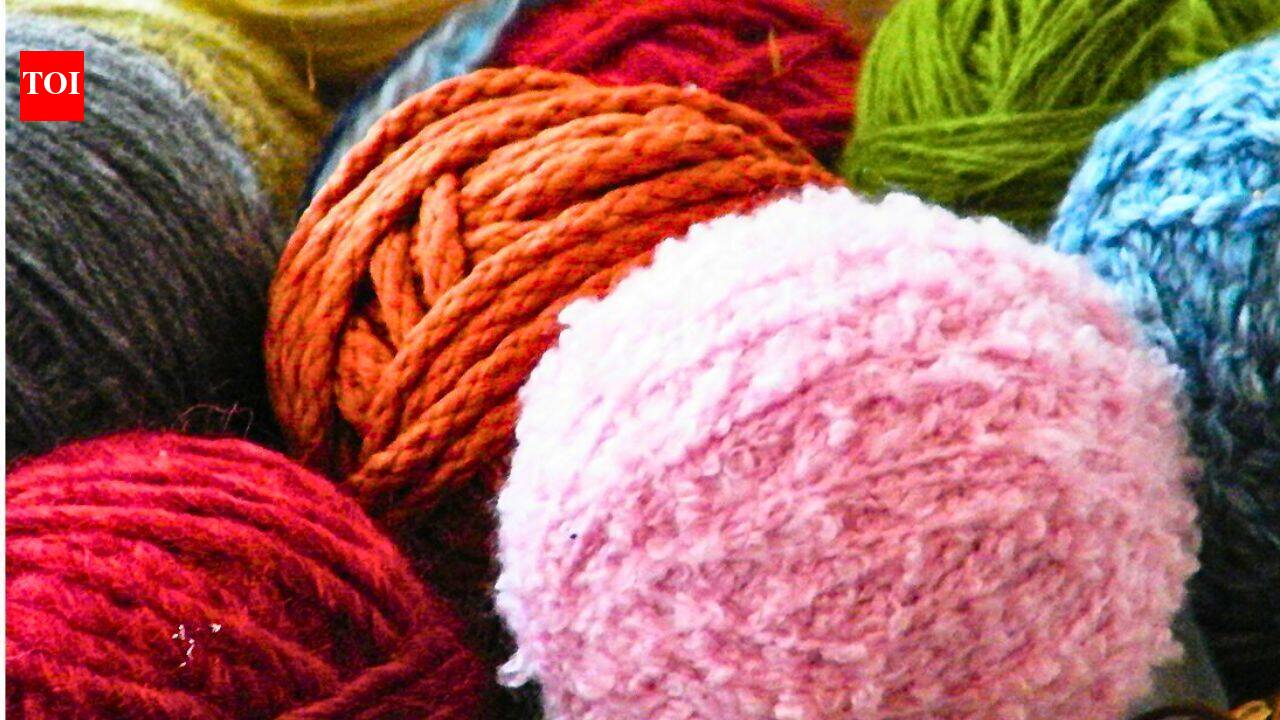
ലോകമെമ്പാടും പാഴായിപ്പോകുന്ന കമ്പിളി ഉപയോഗിച്ച് കെട്ടിട നിർമ്മാണത്തിനായുള്ള ബലമുള്ള പാനലുകൾ നിർമ്മിച്ച് ശാസ്ത്രജ്ഞർ. കമ്പിളിയിലെ കെരാറ്റിൻ പ്രോട്ടീനും സിട്രിക് ആസിഡും ഉപയോഗിച്ച് നിർമ്മിച്ച ഈ പാനലുകൾക്ക് മികച്ച താപരോധന ശേഷിയുണ്ട്. പരിസ്ഥിതി സൗഹൃദമായ ഈ സാങ്കേതികവിദ്യ കെട്ടിടങ്ങളുടെ പുറംഭാഗം നിർമ്മിക്കാൻ ഏറെ അനുയോജ്യമാണെന്ന് പഠനങ്ങൾ തെളിയിക്കുന്നു.
Wool production reaches around 2 billion kilograms worldwide each year, yet a significant amount is left without a useful application. A large amount of this wool is unsuitable for making clothing because of its fibre quality. Researchers have now found a way to turn this unwanted material into building panels. The new panel combines wool fibres with keratin, a protein naturally found in wool. According to research published in Resources, Conservation and Recycling titled 'Upcycling waste wool for regenerative building retrofits: A biocomposite approach', citric acid helps hold the materials together before heat is used to press them into a stiff panel. Tests showed that the material was stiff under bending and had low thermal conductivity.The researchers used loose sheep wool fibres collected from American Woolen Company in Stafford Springs, Connecticut, USA. The wool came from textile manufacturing and was considered waste before it reached consumers. The team first treated the wool to recover keratin, the main protein in wool fibres. They then combined the recovered keratin with citric acid and wool fibres. The mixture was pressed with heat to create a stiff panel. The researchers tested different formulations, which can be tuned for structural, thermal, moisture, and carbon performance. The resulting panel was designed for use on buildings. This approach gives unwanted wool another use while creating a material that can be used as part of an exterior building system.Tests showed that the new wool panel had properties that are useful for buildings. The researchers tested different amounts of materials and different pressing temperatures to understand how these changes affected the panel.They also examined how the wool protein and citric acid joined together during production. The study compared the new material with commonly used building products, including medium-density fibreboard and expanded polystyrene foam. The results showed that waste wool can be formed into a stiff panel with useful insulation and moisture-related properties.In a cradle-to-gate assessment, the authors report a global warming potential as low as 0.42 kg CO₂eq per kg. Counting the carbon stored in the wool (biogenic carbon), it falls to -1.41. The authors say this is significantly lower than the benchmark materials, and note that the result is strongest when waste wool is the feedstock.The approach also avoids the use of petrochemical materials in the panel. This gives value to wool that might otherwise have few cost-effective uses. Large amounts of wool remain unused because medium- and coarse-grade fibres have limited demand for clothing.The researchers demonstrated the wool panel in an exterior building retrofit application. The panel was designed to provide insulation while also acting as a water-shedding and structurally stable part of the building exterior. The study notes that exterior upgrades can avoid some of the disruptive work linked to interior retrofits, such as demolition, moving services, and relocating occupants.By turning discarded wool into a building product, the research gives a common textile waste stream another possible use. The study presents the material as a high-performance exterior cladding system made from pre-consumer waste wool.