
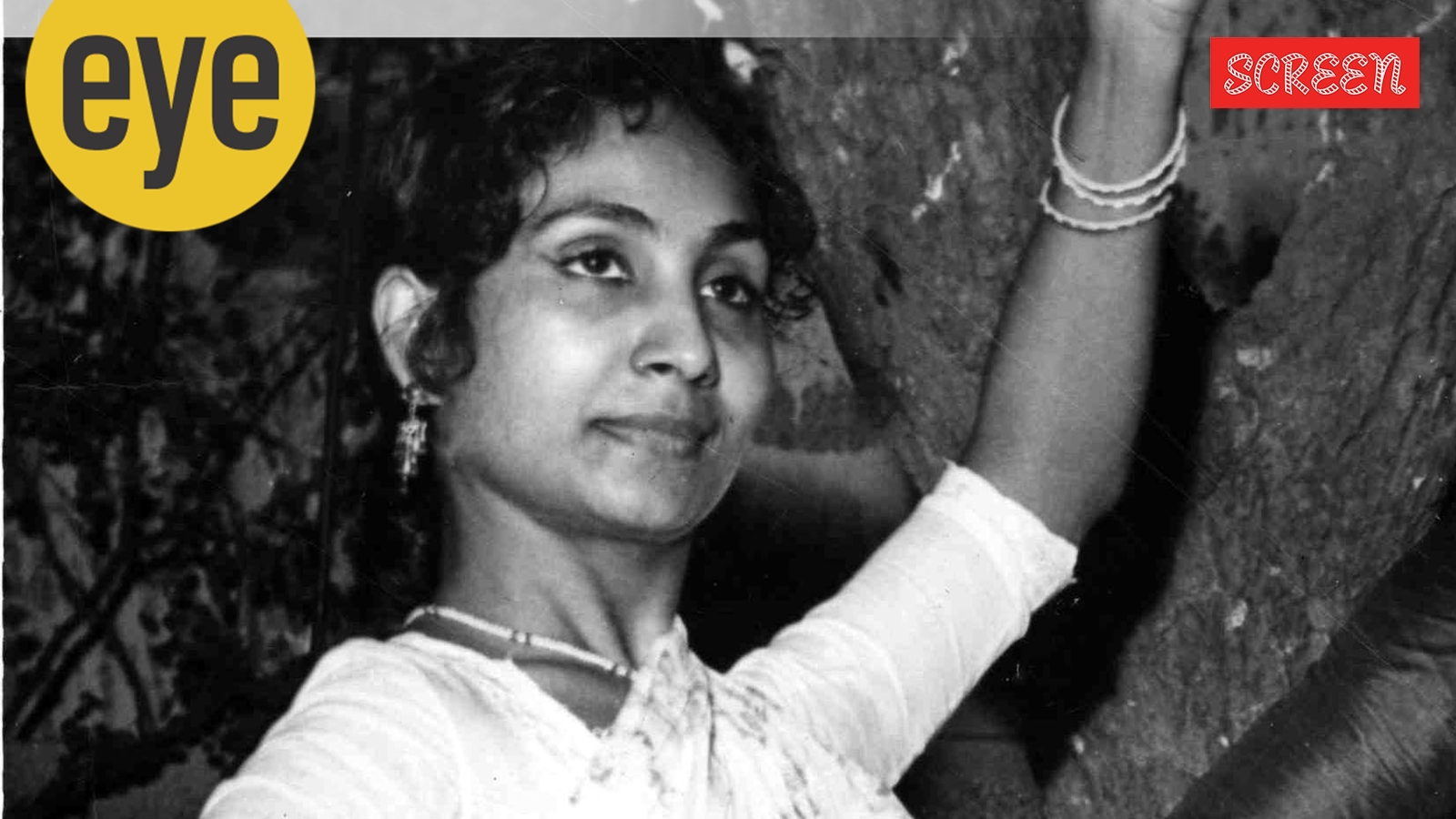
Kathak maestro Roshan Kumari dazzled audiences in Satyajit Ray’s 1958 film Jalsaghar. At just 19, she performed a complex nine-minute dance sequence that showcased her immaculate footwork. Ray used four cameras to capture her talent after Ustad Vilayat Khan suggested the young disciple. Her performance remains a highlight of Indian cinema.
In one of Indian cinema's finest dance sequences, Kathak exponent Roshan Kumari enters zamindar Biswambhar Roy's (Chhabi Biswas) sprawling music room with a glittering chandelier and performs a complex piece before a giant, ornate mirror. This is a nine-minute sequence in Satyajit Ray's Jalsaghar (1958), the auteur's reflection on a fading aristocratic culture built around music, dance and patronage.
Roshan, only 19 then, had presented a traditional chaturang, her heavy ghungroos and immaculate footwork matching the intricate rhythm with precision. But what makes the Jalsaghar dance sequence remarkable is not just its technical brilliance. Ray, who also cast Begum Akhtar in another section, wanted a Kathak performance that went beyond the familiar signatures of the form. So he turned to sitar giant Ustad Vilayat Khan, also the composer for the film. Khan suggested Roshan, then a young disciple of Jaipur gharana exponent Pandit Sunder Prasad. Ray also put four cameras to track her every movement in the scene.