
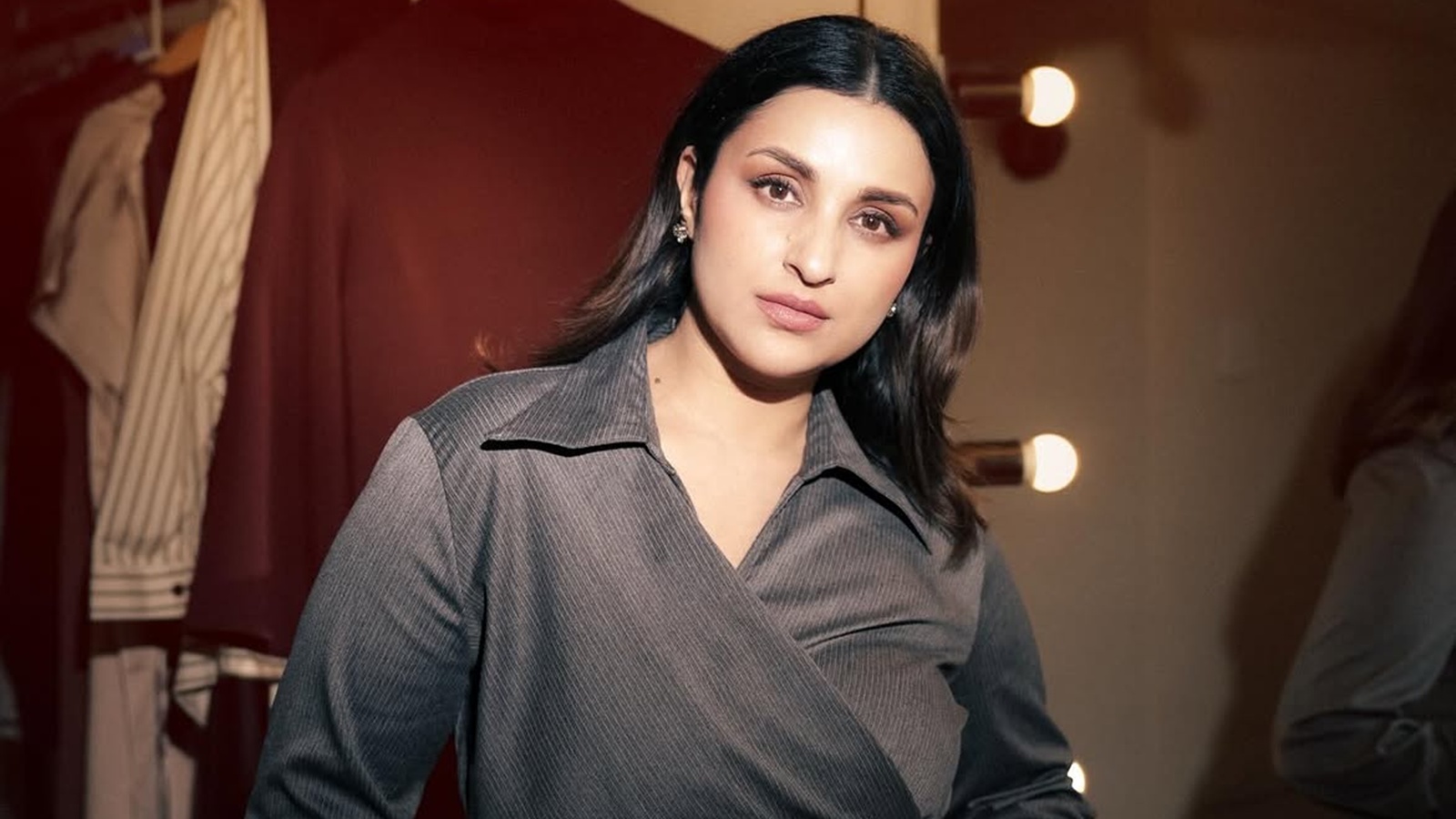
കുട്ടികളെ നോക്കുന്നത് അച്ഛന്റെ ഉത്തരവാദിത്തമാണെന്നും, അത് ചെയ്യുന്നതിന് അവരെ അഭിനന്ദിക്കേണ്ടതില്ലെന്നും നടി പരിണീതി ചോപ്ര പറയുന്നു. അമ്മമാർ അനുഭവിക്കുന്ന മാനസികവും ശാരീരികവുമായ ബുദ്ധിമുട്ടുകൾ സമൂഹം തിരിച്ചറിയണം. രക്ഷാകർതൃത്വം എന്നത് പങ്കുവെക്കേണ്ട ഉത്തരവാദിത്തമാണെന്നും, പുതിയ തലമുറയിലെ അച്ഛന്മാർ ഇതിൽ മാറ്റം വരുത്തുന്നുണ്ടെന്നും വിദഗ്ധർ അഭിപ്രായപ്പെടുന്നു.
Parenting isn't just about "babysitting" when it's your own child, and during a recent media interaction, Parineeti Chopra said it is time to stop handing out participation trophies for basic fatherhood and start supporting mothers who sacrifice their identity, career, and independence. Speaking to Hauterrfly, the Bollywood actor said: "There is a huge problem in the world, in society where fathers are seen as occasional babysitters, and they are applauded for it. And the mothers asking for anything, just simple rest, is materialistic pleasure. That's just considered her default role."
She further added: "It is horrible for that mother who is exhausted, hormonally crashing, who has the responsibility of this child suddenly in her life. She loses her identity, her career sometimes, she loses financial independence."
Parenthood: A new identity
Sonal Khangarot, licensed rehabilitation counsellor and psychotherapist at The Answer Room, says that parenthood is not just the birth of a child but the birth of an entirely new identity. "Psychologically, this transition heightens responsibility, emotional vigilance, and attachment. And for many people, becoming a parent creates a deep psychological shift from living primarily for oneself to feeling responsible for another human being," she tells indianexpress.com.
In fact, the psychologist says conversations on such topics openly acknowledge the emotional realities of parenting -- the importance of being present, as well as navigating responsibilities with intention and care. Such perspectives help normalise the idea that parenting is a shared responsibility.
How the modern dad is stepping up
Dr Sameer Bhati, Public Health Analyst, adds that unlike older generations, the new Indian father is better educated, more self-aware, and increasingly comfortable with vulnerability. Social media and public figures have played a quiet but significant role in this regard.
The goal is to create a culture that sees fatherhood as a shared and supported responsibility. And Dr Bhati believes necessity is reshaping identity. According to him, a structural shift driven by two-income households and nuclear families is a major contributing factor. "When both partners are professionally engaged, the traditional model of 'provider father, nurturing mother' simply collapses," he explains, adding that men are stepping up because the modern household just cannot function without their active participation.
According to both experts, early parenthood often brings sleep deprivation, role adjustment, and constant decision-making, all of which can heighten stress and emotional fatigue. As such, sharing caregiving responsibilities with a reliable network, whether it is a partner, family member, or caregiver, creates emotional bandwidth for parents to function more calmly and confidently. "This shared structure not only lowers the risk of burnout and anxiety, but also improves overall mental well-being by fostering a sense of stability and reassurance," Khangarot concludes.