
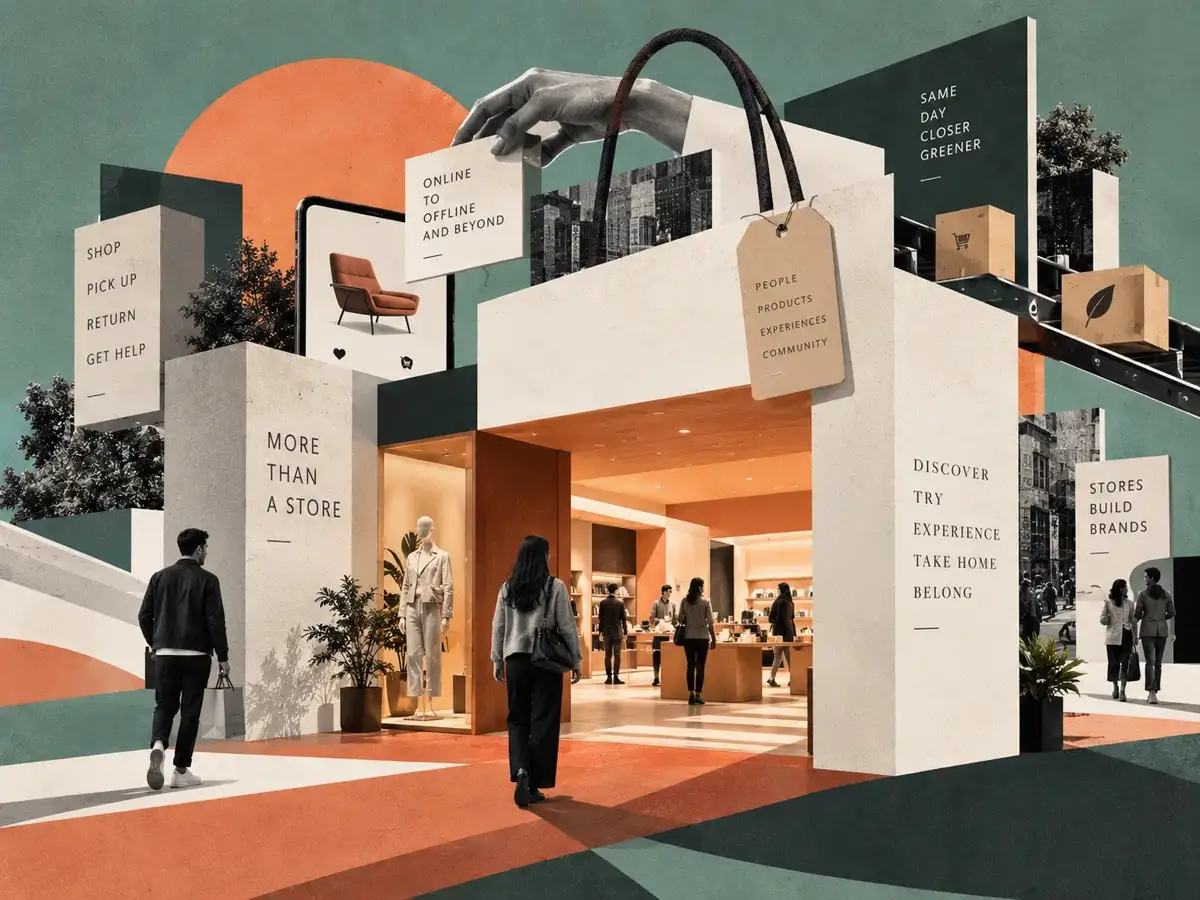
Brick-and-mortar retail is evolving as shopping-center vacancy in 2024 fell to 5.4%, the lowest in 20 years. Stores now act as logistics hubs and experiential destinations to drive brand growth. Many younger Gen Z shoppers visit malls often, showing that physical shops remain a powerful competitive advantage for modern businesses.
Brick-and-mortar retail is not declining but evolving, as stores take on new roles as logistics hubs, experiential destinations, and powerful drivers of demand and brand equity. Rising digital acquisition costs and operational challenges are pushing companies to integrate physical and online channels, using stores to improve fulfillment, customer engagement, and marketing effectiveness. The broader lesson for leaders: assets once viewed as liabilities can become competitive advantages when their role is reimagined and aligned with changing economics and customer behavior.
The past seven years have arguably been the most tumultuous in recent retail history: Covid, major technology changes, tariffs, and higher interest rates have reshaped buying and selling in the sector. But the tumult has also clarified realities.Shopping-center vacancy in 2024 was 5.4%, the lowest in 20 years, and mall patronage is highest among younger Gen Z shoppers (ages 18 to 24) who grew up in the smartphone era. The dominant narrative of