
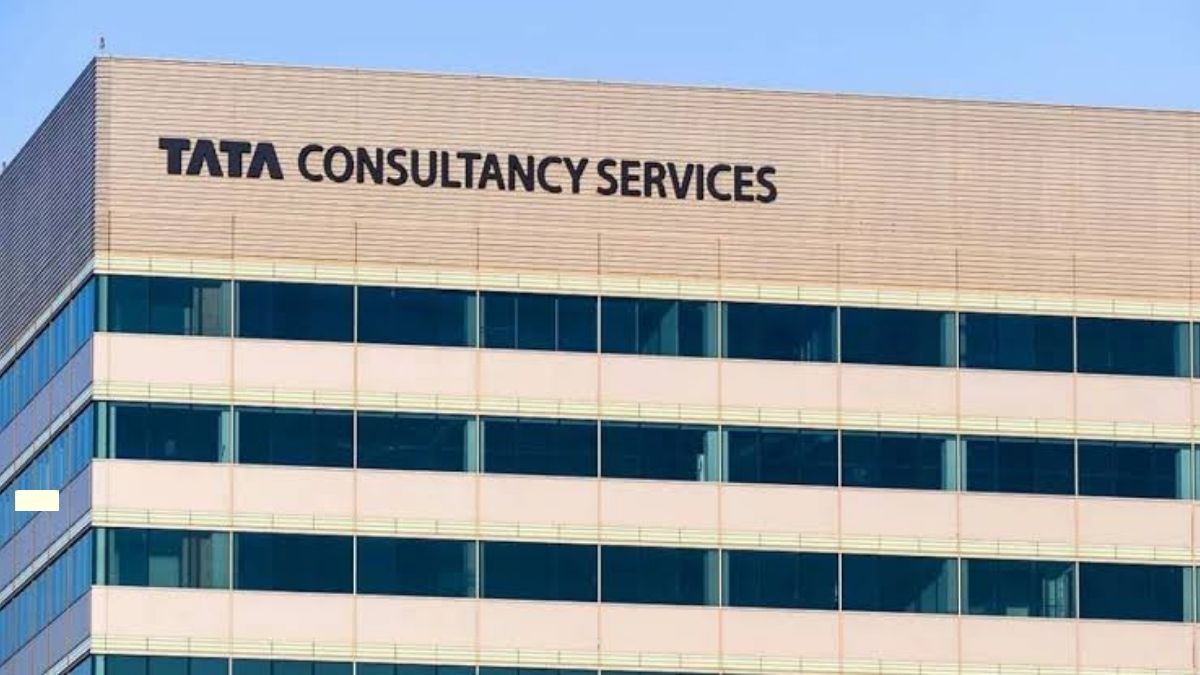
TCS reported revenue of Rs 73,188 crore in Q2FY27, up 11.2% year-on-year. While deal wins moderated to $9.6 billion, AI services grew fast, crossing $3.1 billion in revenue. The company saw growth in international markets, but India revenue fell 10.3% sequentially. Operating margins stayed flat at 24% amid higher investment costs.
The country's largest IT services company reported revenue of Rs 73,188 crore in Q2FY27, up 11.2% year-on-year and 1.3% sequentially. In constant currency terms, which exclude the impact of exchange-rate movements, revenue grew 2.8% year-on-year and 0.5% sequentially, broadly in line with analysts' estimates.
Total contract value (TCV) of deals won during the quarter stood at $9.6 billion, down 4% year-on-year, although it was marginally higher than the $9.5 billion recorded in the preceding quarter. The figure excludes the recently announced Porsche and Best Buy engagements.
Analysts noted that deal bookings had moderated for the second consecutive quarter, with ICICI Securities pointing out that TCV for the first half of FY27 declined 1.5% year-on-year. The brokerage also flagged continued weakness in discretionary spending, particularly in the US and Continental Europe, despite an improvement in international business.
International revenue grew 1.2% sequentially in constant currency terms, led by the UK, which expanded 3.5%. North America and Continental Europe grew 0.4% each. Among business verticals, manufacturing and technology services grew 3.1% each, while banking, financial services and insurance expanded 2.5%. Revenue from India declined 10.3% sequentially, largely due to project deferrals.
AI services remained a bright spot, with annualised revenue crossing $3.1 billion in Q2, up 19.2% sequentially from $2.6 billion in the June quarter. AI services now account for about 10% of TCS' revenue. Analysts said the expansion of enterprise AI deployments and transformation programmes could support growth, although productivity gains from AI may also put pressure on traditional services revenue.
Operating margin, however, remained flat sequentially at 24%, declining around 120 basis points year-on-year. Higher subcontracting costs, investments in AI capabilities and strategic partnerships, and spending on specialised talent offset currency benefits and operational efficiencies.
TCS retained its long-term operating margin aspiration of 26-28%, but analysts said near-term profitability would remain under pressure as the company prioritises investments in future growth. The potential margin dilution from the MHP acquisition and seasonal furloughs are additional headwinds for the second half of FY27.