
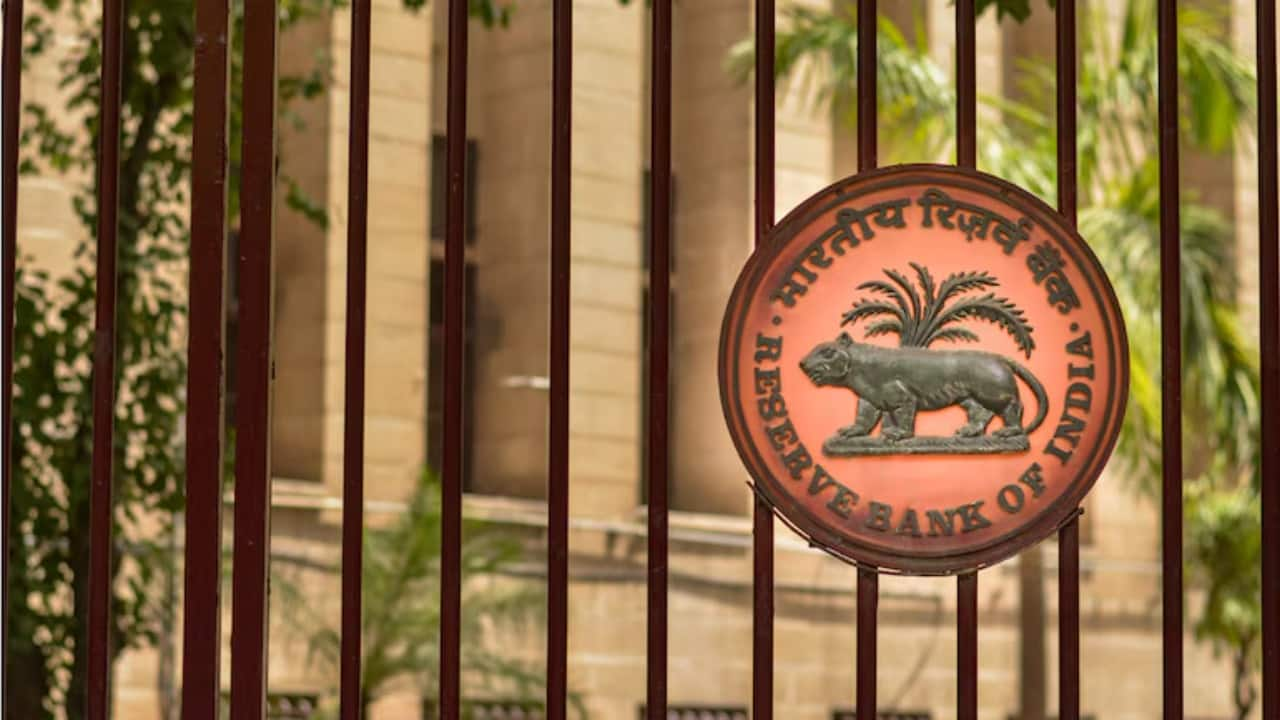
The RBI raised the policy repo rate by 25 bps to 5.50 percent. The central bank moved to calibrated tightening, signalling a longer hiking cycle. It also lifted its FY27 growth projection to 7.1 percent. Officials now expect inflation to rise, as price pressures spread across many different market sectors.
Market Mastery
Webinar by Vishal Malkan
Find the weak links
in your portfolio by Vishal Malkan
RBI’s decision to raise the policy repo rate by 25 bps to 5.50 percent is not surprising. The surprise is in the stance. By moving to "calibrated tightening" and declaring that rate cuts are off the table, the MPC has signalled that this is the start of a hiking cycle, not a one-off correction. It is a sharp reversal from 2025, when the RBI cut rates by 125 bps and injected roughly Rs 14-15 lakh crore of liquidity.
The central bank has also raised its numbers. After a 7.8 percent GDP print for Q1, it lifted its FY27 growth projection by 40 bps to 7.1 percent. It moved up its inflation path as well, with Q3 FY27 now at 6.0 percent. Our view is that even this understates the risk.
An Inflation Problem Bigger Than Projected
The Monetary Policy Committee's (MPC) framework rests on three things: inflation expectations, the pricing behaviour of firms, and how widely inflation is spreading. All three point the concerning way. The RBI's household survey shows inflation expectations averaging 8.6 percent, far above headline CPI of 4.8 percent, and still rising. Its diffusion index shows price pressures spreading across a wider set of items.
Corporate data tells the same story. In the first quarter, input costs for non-financial companies, particularly manufacturers, rose about 40 percent year-on-year, against a 45 percent rise in crude prices. That is a far stronger pass-through than most models predicted, and margins were squeezed because product prices rose only partially.
The bigger concern is what has not yet shown up. The cost shock from the West Asia conflict has been cushioned by food, energy and fertiliser subsidies, and by under-recoveries at oil marketing companies, while retail fuel prices were raised only modestly. As this fiscal support fades, the pipeline of inflation will build. This is why we expect CPI inflation reaching 6-7 percent in the coming quarters, above the RBI's projected peak.
A Statement That Contradicts Itself
The Governor's statement is hard to reconcile in places. It describes "limited" demand pressure, yet cites resilient consumption, strong investment, robust credit growth and double-digit growth in two-wheeler sales and consumer durables. It attributes fuel inflation mainly to base effects, then a few paragraphs later flags supply pressure from a deficient monsoon, El Niño and volatile oil. It calls inflation risks "evenly balanced" while projecting 6.0 percent inflation in Q3 and listing a long set of upside risks.
The growth story has its own tensions. The FY27 forecast was raised, yet the closing remarks say global factors are weighing adversely on the growth-inflation outlook. Government capex growth slowed to 8.5 percent in July-August from 23.7 percent in Q1, even as the statement cites a "continued thrust" on infrastructure. Strong merchandise exports are partly the result of elevated margins on oil. The point is not rhetorical: when a central bank's communication is this mixed, the policy path is more likely to surprise on the tightening side.
Why Real Rates Are Still Too Low
With inflation expected near 6 percent and the repo rate at 5.50 percent, the forward real rate is negative. We argued after the August MPC that the gap between the repo rate and inflation should be at least 1.5-2 percentage points. That gap has not widened. Reaching a zero real rate requires another 50 bps, and a 1 percent real rate requires another 100 bps. If inflation surprises on the upside, a terminal repo rate of 6.5-7 percent looks plausible.
Persistently low real rates also carry costs of their own. They can encourage leveraged spending, widen the trade deficit and reinforce inflation, which is the opposite of what the RBI is trying to achieve. We think the RBI's view of resilient demand reflects the upper arm of a K-shaped economy, supported by last year's stimulus, while the lower arm faces falling real incomes and rising prices.
The Liquidity Wildcard
One concern is less explicit in the statement. FCNR(B) inflows have created surplus liquidity of about Rs 5 lakh crore, which the RBI is managing through Variable Rate Reverse Repo (VRRR) auctions and Open Market Operation (OMO) sales . Easy liquidity paired with rising rates and high inflation is an uncomfortable mix.
A sudden surge of liquidity can erode underwriting standards, as happened after demonetisation in 2016-17, when exuberant lending to NBFCs ended in the 2018 crisis. The new Technical Consultative Committee for Financial Markets and the push for more granular monitoring of lenders are prudent steps, and they may need further strengthening.
What It Means for Markets
For markets, the implications are uncomfortable. The 10-year G-sec yield is at about 7.24 percent and could move above 7.5 percent if hikes continue and inflation surprises, while a steeper rise in the repo rate could also flatten the yield curve. Banks will see their cost of funds rise, but heavy competition for loans may limit how much can be passed on, squeezing margins. FCNR(B) liquidity parked with the RBI earns roughly the cost of funds, so banks will be keen to deploy it.
Valuations are also under pressure, as rising risk-free rates compress multiples. The Nifty 50, at about 19.1x, is within our expected 18-19x range, but a prolonged tightening could push it lower, particularly with earnings looking flat. On earnings, the raw-material-to-sales ratio has risen by more than 800 bps for manufacturing and about 650 bps for the Nifty 500. Last year's lower interest costs helped corporates, and that tailwind now fades.