
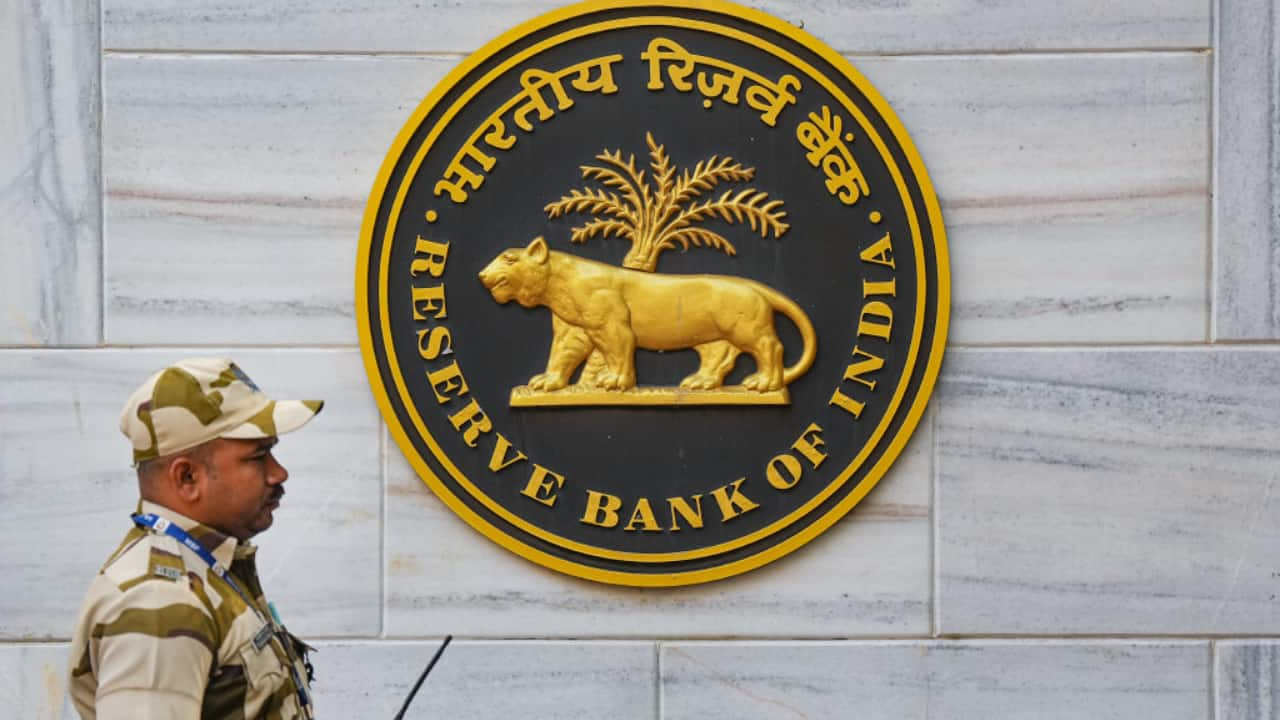
The Reserve Bank of India raised the policy repo rate by 25 basis points to 5.50 percent. This move marks the first increase since February 2023. The committee also changed its stance to calibrated tightening. Officials said the decision aims to stop rising inflation while supporting the country's resilient economic growth.
Market Mastery
Webinar by Vishal Malkan
Find the weak links
in your portfolio by Vishal Malkan
The Reserve Bank of India has responded to rising inflationary pressures by raising the policy repo rate by 25 basis points to 5.50 percent, its first increase since February 2023. The Monetary Policy Committee voted unanimously for the rate action and, by a 4-2 majority, changed its stance from “neutral” to “calibrated tightening.”
The change in stance is more significant than the rate increase alone. It signals a clear turn in the monetary-policy cycle, with rate cuts effectively off the table in the near term. However, future policy decisions are likely to be determined by the evolution of inflation, global financial conditions and domestic growth.
The policy action reflects a material change in the inflation outlook. Headline CPI inflation rose to 4.82 percent in August from 4.45 percent in July, while core inflation increased to 4.2 percent. Price pressures have also become more broad-based, with food and fuel inflation accompanied by signs of higher input costs passing through to a wider range of goods and services.
Near-term inflation risks remain tilted to the upside amid elevated energy prices, unfavourable weather conditions and continuing global uncertainty. The RBI has consequently raised its FY2027 inflation projection to 5.2 percent from 5.0 percent in August policy. The rate increase is aimed at preventing these supply-side pressures from becoming embedded in inflation expectations and broader pricing behaviour.
At the same time, domestic growth remains resilient, giving the MPC room to prioritise price stability. The RBI raised its FY2027 growth forecast to 7.1 percent from 6.7 percent in August policy, supported by sustained momentum in domestic economic activity. The combination of strong growth and rising inflation provides an appropriate backdrop for a measured tightening of monetary conditions.
Liquidity management will be equally important for effective policy transmission. The banking system continues to operate with substantial surplus liquidity, which has kept overnight rates below the policy repo rate. The RBI is therefore likely to use soft liquidity-absorption instruments ( VRRR, FX swap etc ) alongside the rate increase to achieve closer alignment between operating rates and the policy rate.
On the face of it, the policy outcome appears distinctly hawkish and goes beyond a mere 25-bps repo rate increase. The RBI not only raised rates but also shifted its stance to calibrated tightening and revised its inflation trajectory upwards, reinforcing its focus on containing inflation risks. Consequently, government bond yields are likely to remain sensitive to incoming inflation data, liquidity conditions, crude oil prices, global bond yield movements and market expectations regarding the RBI's next policy action.
The RBI has brought its strike bowler into the attack at an important stage of the innings. Resilient growth has provided a healthy score on the board, but broadening inflation, elevated energy costs and tighter global financial conditions require some firm policy response.
The shift to “calibrated tightening” marks a clear change in the policy cycle, but markets appear to have already priced in a significant part of the expected tightening. As a result, we expect a gradual flattening of the yield curve, with upward pressure more pronounced at the shorter end and limited incremental pressure on mid to longer-tenor government bond yields.
Surplus liquidity may moderate the pace of adjustment, but the near-term bias for short-term rates remains firm. We expect the RBI to raise the repo rate by a cumulative 50 bps by the end of FY2027, although the timing and extent of further action will depend on inflation, crude oil prices, growth momentum and external financial stability.