
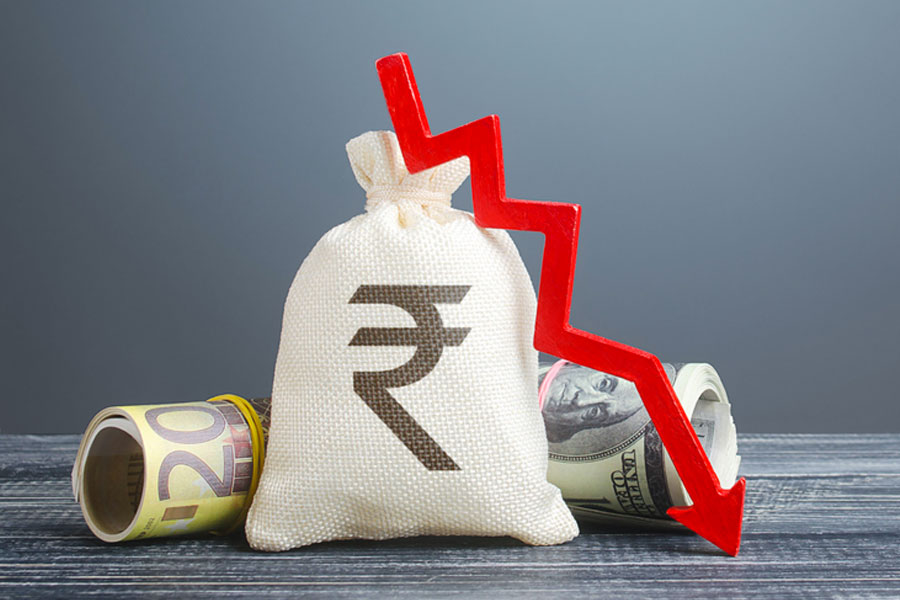
The Reserve Bank of India raised the repo rate by 25 basis points to 5.5% to fight rising inflation. The move addresses high energy costs and a weak rupee, which fell around 7% against the dollar this year. Officials said, "Rupee stability and price stability must therefore take priority over growth."
The Reserve Bank of India’s decision to raise the repo rate by 25 basis points to 5.5% is a necessary response to rising inflation. Median inflation, estimates suggest, may rise to 9.9% from 9.2% for the next three months: the one-year projection is a rise to 10.0% from 9.4%. The calibrated tightening in the RBI monetary policy recognises the risks of maintaining relatively accommodative conditions while price pressures intensify. Renewed conflict in West Asia has increased energy costs, while deficient rainfall and a Super El Niño threaten agricultural supplies. These factors affect essential expenditure, reducing households’ purchasing power and leaving poorer consumers particularly vulnerable. With the recent growth forecast revised upwards to 7.1%, the case for tolerating higher inflation to sustain economic activity is weak. Historically, when supply-driven price pressures coincide with high growth rates, inflation often expands beyond areas such as food and fuel. Worryingly, signs of such generalised inflation are already visible, with core inflation, which strips out volatile components such as food and fuel, projected to have risen to 4.3% for the financial year. Delayed intervention at this point would have risked a greater disruptive tightening of the monetary policy later.
The rupee’s depreciation — it has fallen around 7% against the dollar this year and is hovering near its all-time low — strengthens the argument for timely action. Currency weakness raises the domestic cost of dollar-priced crude, adding to production and transport costs. Elevated international oil prices increase the import bill and can widen the current account deficit; intervention to contain depreciation can deplete foreign exchange reserves. Inflation, currency weakness and reserve losses can consequently reinforce one another. Raising interest rates directly increases the price of money, supports the relative attractiveness of rupee assets and can discourage capital outflows, even though external pressures limit the effectiveness of this measure. Banks and sections of industry may object to slower credit growth and higher borrowing costs. But their concerns cannot take precedence over macroeconomic stability. Persistent increases in food, fuel and transport prices impose a broader burden than costlier loans, including those on households with little access to credit. Rupee stability and price stability must therefore take priority over growth sustained by excessively easy financial conditions. The RBI has indicated that subsequent decisions may involve further increases. If inflation continues to spread, that commitment must translate into additional rate rises.