
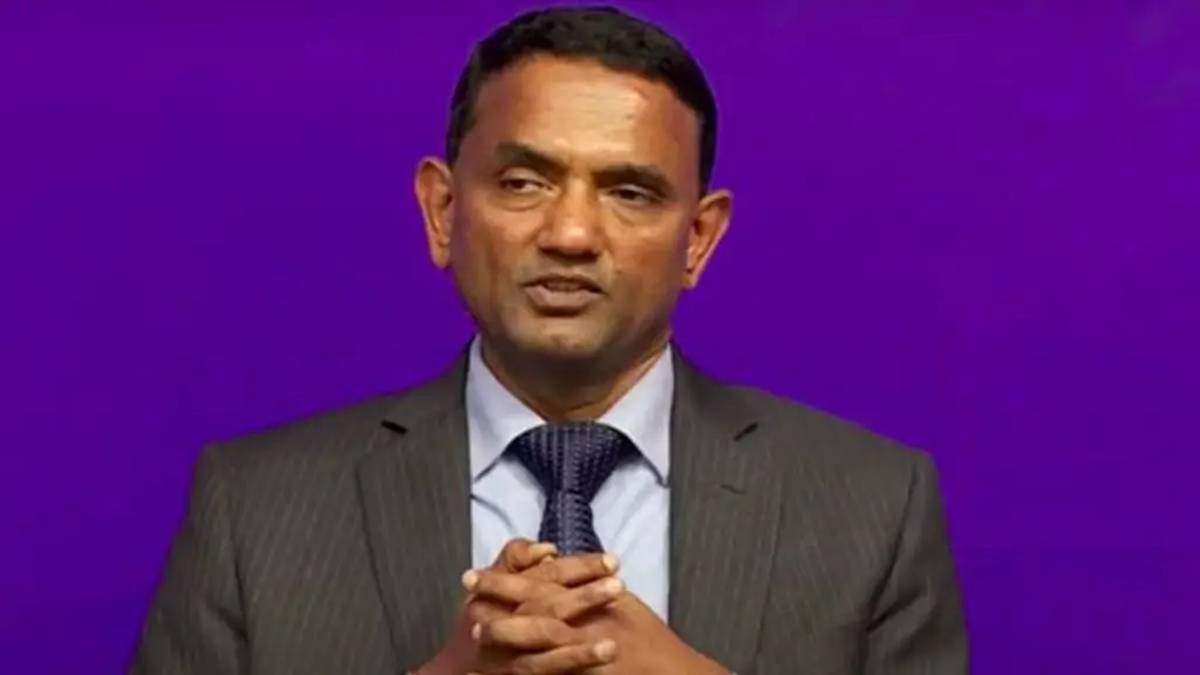
TCS MD and CEO K Krithivasan expects industrial demand to recover soon. He said, "We expect industrial to recover as there are no structural issues." While retail faces pressure from inflation, the company saw strong growth in banking and technology services. TCS also crossed the three billion dollar annualised AI revenue.
Tata Consultancy Services (TCS) expects demand in its core international markets to remain resilient, supported by banking, financial services and insurance (BFSI), manufacturing and technology services, even as inflation and tariffs weigh on parts of the retail sector. Managing Director and CEO K Krithivasan in an interview with Urvi Malvania, discusses demand trends, AI-led growth, margins, organisational changes and the impact of the US suspension of the PERM programme. Excerpts:
Q. How is demand shaping up in the core markets?
A. We saw good performance in the UK, with strong numbers from IT clients and services, manufacturing and telecom. Globally, banking, insurance and capital markets have supported BFSI growth. In manufacturing, most segments have done well, except industrial. We expect industrial to recover as there are no structural issues. Technology services has seen good momentum across Europe and North America. In retail, inflation and tariffs have put pressure on even essential categories such as groceries. Fashion and specialty retail have performed well, but grocery and essential retail have weakened.
In Q2, we had constant-currency growth of 0.5%. The point to emphasise is international growth of 1.2%, because that represents the core business.
Q. Has AI deal momentum continued, and is its productivity impact increasing?
A. The productivity pass-on continues to be in the same range of 10-15%. While there is a productivity pass-on, there is also new revenue that comes in because of it. These things should be taken together. Whenever there is a productivity pass-on, it has usually been compensated by additional business. We continue to see AI deal momentum. AI revenues did well this quarter. We crossed the $3 billion annualised revenue mark, which is about 10% of our revenues, with an addition of $500 million over the annualised revenue reported last quarter. The growth is coming from all verticals.
Q. How could the US Federal Reserve's rate hike affect business in the second half?
A. In the past, we have seen sectoral impacts. In banking, higher rates can mean better spreads and revenues for a short period, leading to increased technology spending. But they can also increase inflation, affecting retail business. In the past, the net impact has been marginal, or sometimes we have seen an improvement. This time, since inflation is already high, we need to wait and watch.
Q. What prompted the vertical reshuffling and leadership changes announced at the start of the quarter?
A. The changes were driven by the need for greater focus in some verticals. Life sciences and healthcare were managed together because of strong synergies, while energy, resources and utilities (ERU) was grouped with them for scale. As these businesses have grown, we believe they need independent leadership to realise their potential, particularly ERU. Similarly, travel, transport and hospitality has a strong global presence, including among the world's top 10 airlines, and merits independent management. Since AI delivers greater value when tailored to specific domains, separate leaders will help sharpen focus and drive adoption.
Q. What kept operating margins flat sequentially?
A. We have been adding people over the past two quarters in anticipation of continued demand. Investments in alliances and partnerships, higher subcontracting costs and mergers and acquisitions also weighed on margins. Currency provided a tailwind of only 10 basis points. Renewed operational rigour, particularly in bringing down subcontracting costs, will help us improve margins and get back on the pathway we have set for ourselves.
Q. What impact will the suspension of the US PERM programme have on TCS?
A. This is not a hurdle, as we apply for green cards for only a handful of people. More than 50% of our US workforce are already green-card holders or citizens. These applications are made to retain people with specialised domain knowledge. We have not been using the programme significantly and will respect the law of the land. We see greater scope for local hiring. We are investing in training and experience centres in the US, building on a shift towards local hiring that began many years ago.