
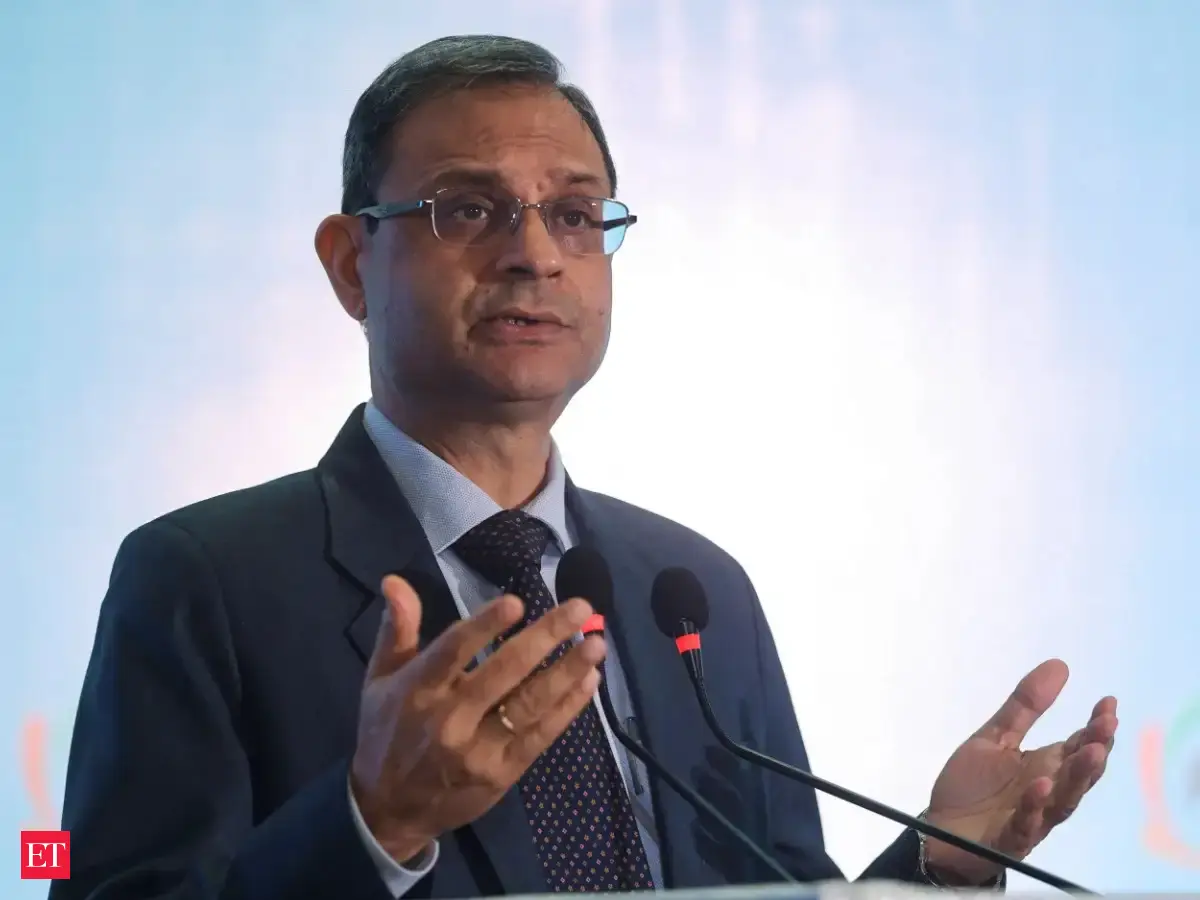
The Reserve Bank of India said individuals undertaking personal transactions are exempt from reporting under new foreign exchange trade rules. RBI Governor Sanjay Malhotra said, “Individuals are not required to be reported.” Routine payments for subscriptions and small export transactions up to ₹10 lakh now need only a simple self-declaration.
Synopsis
Individuals undertaking personal transactions will not have to comply with new foreign exchange trade regulations imposed. The Reserve Bank of India aims to ease compliance burdens related to reporting obligations for personal contracts. RBI Governor Sanjay Malhotra confirmed that routine payments for services and subscriptions are exempt from reporting. Additionally, smaller export transactions of up to ₹10 lakh may rely on self-declarations.
Mumbai: The Reserve Bank of India has clarified that individuals undertaking transactions of a personal nature will not be required to comply with the reporting requirements under the new foreign exchange trade regulations, seeking to allay concerns over the compliance burden from the revised framework.
The central bank will shortly issue frequently asked questions, or FAQs, to clarify the scope of the regulations and address what officials described as a misunderstanding over reporting obligations.
RBI Governor Sanjay Malhotra said routine transactions by individuals, including payments for subscriptions to television channels, apps, journals and newspapers, would not need to be reported. Similarly, individuals receiving payments from overseas for services such as tutoring or small software-related assignments would also remain outside the reporting requirement.
“So if you are subscribing to a TV channel or an app, or to some journals or newspapers, or you are providing, on the other hand, services as an individual outside — could be tutoring services, could be some small software, etc — and getting paid for it, those as individuals are not required to be reported,” Malhotra said.
Live Events
The RBI has also eased documentation requirements for smaller export transactions. Exporters with transactions of up to ₹10 lakh per bill can furnish a self-declaration instead of uploading invoices and other supporting documents.
“Up to Rs 10 lakh per bill — not annually, per bill — a self-declaration will suffice,” Malhotra said.
RBI deputy governor Rohit Jain said the new trade regulations, issued in January ahead of their October 1 implementation, were aimed at liberalising the handling of trade transactions by authorised dealer banks, simplifying processes and improving ease of doing business.
“Individuals are not included with respect to the reporting requirements for the contracts of a personal nature. So there seems to be some misunderstanding on the reporting obligations, which we will clarify shortly through an FAQ,” Jain said.
The revised framework has also brought services exports and imports within the reporting system.
Jain said the regulations were intended to reduce the compliance burden on authorised dealers as well as exporters and importers, rather than introduce additional reporting requirements for individuals.
(You can now subscribe to our Economic Times WhatsApp channel)
The NBFC saga - Part 1: How RBI moved from protecting depositors to policing systemic risk