
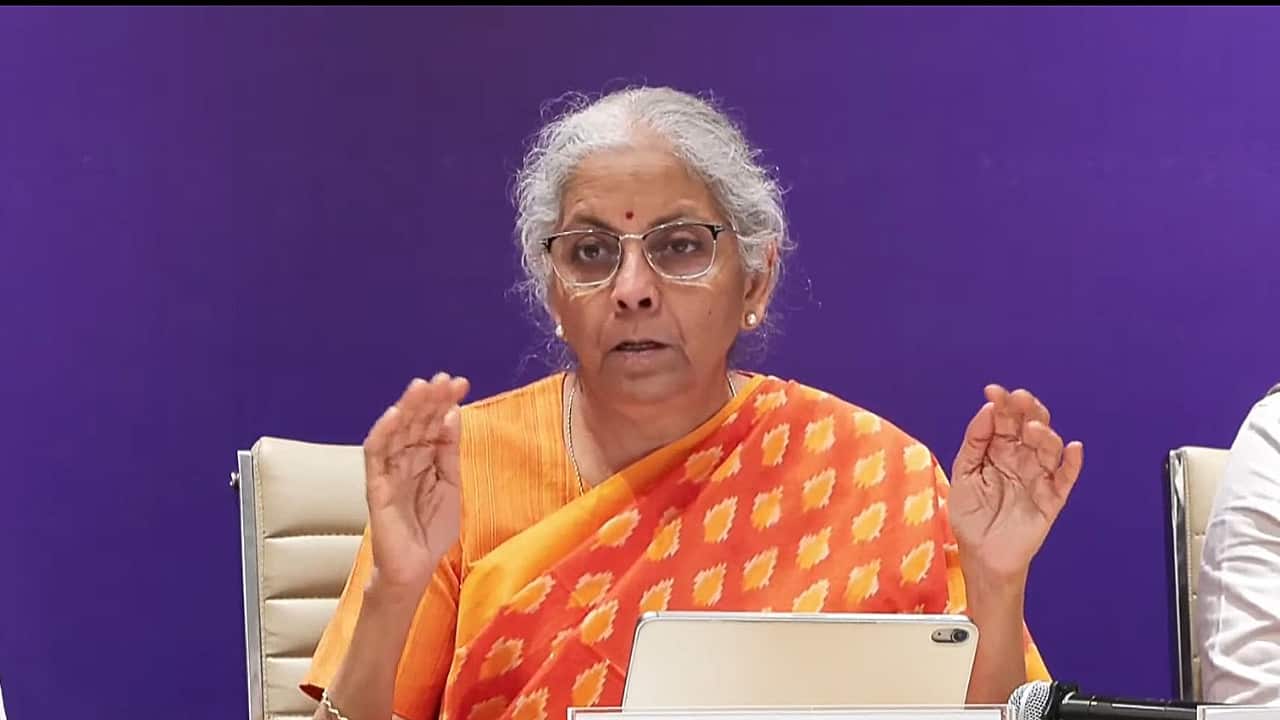
The 57th GST Council on Thursday approved process reforms to ease compliance for businesses. Finance minister Nirmala Sitharaman said these changes will take effect from April 1, 2027. The council started focusing on automated, low-risk processes. Many businesses will now face fewer physical checks and get faster, risk-based tax refunds.
The 57th Goods and Services Tax (GST) Council on Thursday approved a series of process reforms covering registration, returns, refunds and enforcement, shifting the focus from tax rates to how the GST system works for businesses on a day-to-day basis. Finance minister Nirmala Sitharaman said all GST process reforms will take effect from April 1, 2027. The GST system now matches what a seller reports against what a buyer claims, invoice by invoice, while network analysis identifies potentially fake input tax credit closer to where it is created. The Council said it has turned to making routine and low-risk processes more automated. The changes are expected to ease compliance for smaller taxpayers, exporters and businesses that frequently move goods across states. Faster, risk-based refunds could improve cash flows for exporters and businesses facing inverted tax structures, while the proposed annual return option would reduce compliance requirements for consumer-facing businesses with turnover up to ₹5 crore. Businesses transporting goods across states would also face fewer physical inspections. Registration, returns GST registration is currently granted within three working days without officer intervention for low-risk applicants and those whose output tax on supplies to registered persons does not exceed ₹2.5 lakh a month. About 61% of registrations already come through this automated route. The registration application form is also set to be simplified, with applicants shown only the fields relevant to them and each document mapped to the purpose it serves. Separately, routine amendments to registrations -- including changes in trade name, director or partner details, and the address of an additional place of business -- will be accepted automatically. Between November 2025 and September 2026, such changes accounted for 10.95 lakh, or 65.45%, of the 16.73 lakh applications filed to amend registrations. The Council will also streamline return reconciliation. About 95,000 system-generated notices are issued annually over differences between returns, but recovery is only around 0.08% of the amount involved. Sellers reducing an amount already reported will now reflect the change in their sales statement, allowing it to reach buyers who have claimed credit. Corrections for earlier periods and wrongly entered buyer registration numbers will also be allowed. Credit will be settled through the Invoice Management System, with what the buyer accepts flowing into the return. Faster, automated refunds The acknowledgement period for refund claims will be cut from 15 days to 10 days. If no acknowledgement or deficiency memo is issued within 10 days, the claim will be treated as acknowledged. The system will sanction 90% of refund claims based on risk assessment, with the order to be issued within three working days of acknowledgement, against seven days currently. Refund of excess cash-ledger balances will become fully automatic. The refund form will also draw shipping details from Customs and payment details from the banking system. Fewer physical checks, lower penalties Goods in transit can be stopped only on specific intelligence and with prior authorisation from an officer not below Joint Commissioner rank. Only the source and destination states can inspect consignments; states along the route cannot stop them. The power of arrest is being removed from GST, while the prosecution threshold will rise from ₹1 crore to ₹5 crore. The minimum punishment will be removed, with punishment left to judicial discretion. The general penalty will fall from ₹25,000 to ₹10,000. An optional scheme has also been approved in principle for taxpayers with turnover up to ₹5 crore who supply only to consumers, under which they would file a return once a year and pay tax quarterly. The detailed framework will come before the next Council meeting. The Council said invoice-level matching between sellers and buyers and the ability to identify fake credit where it arises now allow enforcement to rely more on detection than deterrence.