
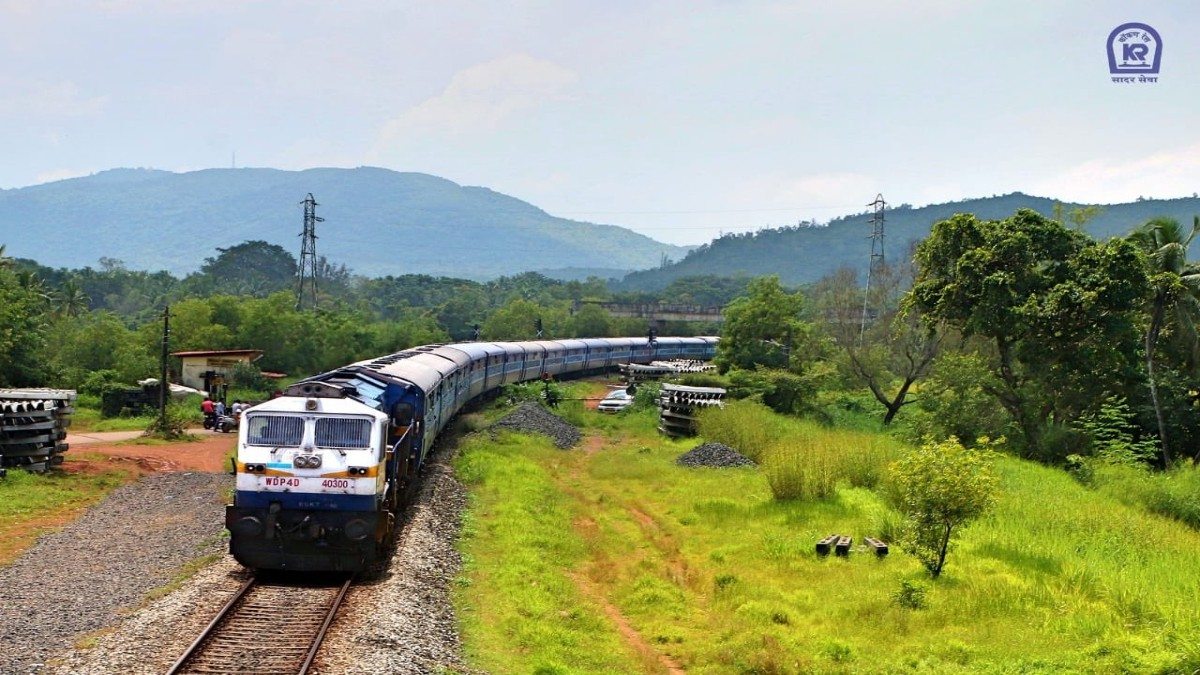
The Union Cabinet approved the Ballari-Guntakal third and fourth railway line project on July 24, 2026. A new tender for the 45.98-km stretch opened on October 10, 2026, costing ₹1,067.04 crore. This expansion across Andhra Pradesh and Karnataka will improve freight movement and add safety systems like Kavach by 2028-29.
The Union Cabinet approved the project in July 2026. The latest development is a tender for construction work on a 45.98-km section between Guntakal West and Ballari Junction, covering civil construction, electrical installations and signalling systems.
Ballari-Guntakal railway project: Tender details
The tender is for laying third and fourth railway lines along a 45.98-km stretch between Guntakal West and Ballari Junction. The estimated cost of the work is ₹1,067.04 crore. The tender opened on October 10, 2026, and the last date for bid submission is November 23, 2026.
The project falls under the Guntakal Division of South Coast Railway and covers parts of Andhra Pradesh and Karnataka.
Electrical work and Kavach are included in the project
Apart from laying the new tracks, the work will include overhead electrification, other electrical installations and signalling systems needed to operate the expanded railway section. These systems will support train movement along the new lines.
The project also includes Kavach, India's indigenous automatic train protection system. It is designed to help prevent train collisions and improve safety by automatically applying brakes in certain situations.
About Ballari-Guntakal 3rd and 4th railway line
The Union Cabinet approved the Ballari-Guntakal third and fourth railway line project on July 24, 2026, at an estimated total cost of ₹1,264 crore. The project covers approximately 46 km across Karnataka and Andhra Pradesh, with completion targeted for 2028-29.
The overall project cost approved by the Cabinet is different from the ₹1,067.04-crore value specified in the current tender.
Why are two additional railway lines needed?
The expansion is also expected to improve rail access for communities along the route. The Cabinet-approved project is expected to benefit around 99 villages with a combined population of approximately seven lakh people.
Freight movement to gain additional capacity
The railway expansion is expected to support the movement of goods across the region. The Cabinet announcement identified commodities such as iron ore, dolomite, limestone, iron and steel, coal, fertilisers and food grains among the freight traffic that could benefit from improved rail capacity.
The project is expected to provide additional freight-handling capacity of around 16.22 million tonnes annually. Better rail capacity could help accommodate goods movement more efficiently and support industries that depend on railway transport.