
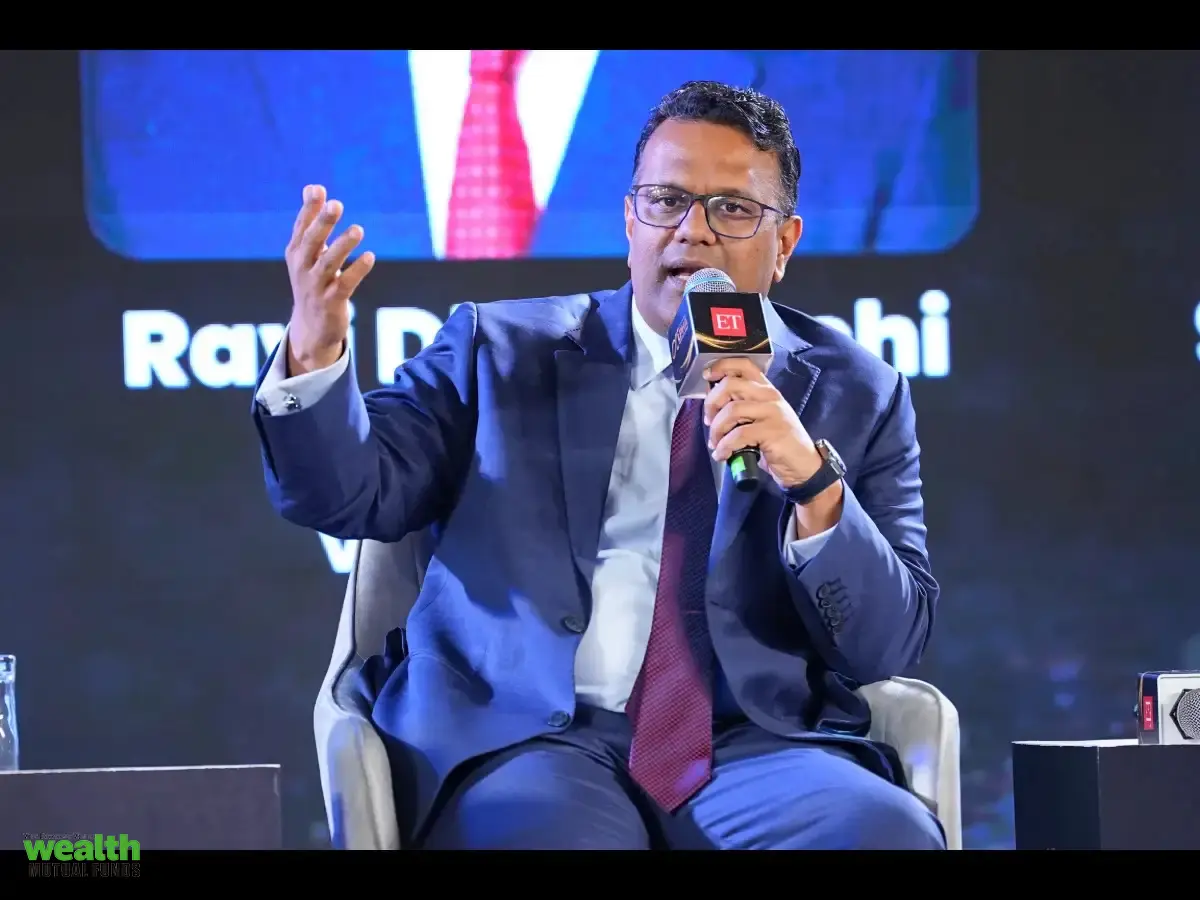
നിക്ഷേപ മേഖലയിൽ ആർട്ടിഫിഷ്യൽ ഇന്റലിജൻസ് വലിയ മാറ്റങ്ങൾ കൊണ്ടുവരുന്നുണ്ടെങ്കിലും, അന്തിമ തീരുമാനങ്ങൾ എടുക്കുന്നതിൽ മനുഷ്യന്റെ ഇടപെടൽ അനിവാര്യമാണെന്ന് വാല്യൂക്വസ്റ്റ് സ്ഥാപകൻ രവി ധരംഷി പറഞ്ഞു. വിവരങ്ങൾ വിശകലനം ചെയ്യാൻ AI സഹായിക്കുമെങ്കിലും, വിപണിയിലെ ചാഞ്ചാട്ടങ്ങൾക്കിടയിൽ ശരിയായ തീരുമാനങ്ങൾ എടുക്കാനും ഉത്തരവാദിത്തം ഏറ്റെടുക്കാനും മനുഷ്യർക്ക് മാത്രമേ കഴിയൂ.
Synopsis
The rise of artificial intelligence is transforming how we analyze data and derive investment insights, yet human judgment plays an irreplaceable role in decision-making processes. Experts caution that merely processing data doesn’t assure favorable investment results. Investors should evaluate which insights resonate with their financial goals and risk levels. Financial advisors must embrace technology while safeguarding skills in communication and accountability, particularly during market fluctuations.
Artificial intelligence can process vast amounts of information, analyse portfolios and generate investment insights at a speed that is difficult for humans to match. But when it comes to generating alpha, the real differentiator may not be access to better technology, but the ability to interpret its output, make sound decisions and take responsibility for the consequences, said Ravi Dharamshi, founder and CIO of ValueQuest.
Speaking at the ET Alpha Wealth Summit 2.0 during a panel discussion on AI and investing, Dharamshi explored how technology is reshaping the investment process while underscoring the continued importance of human judgment and behaviour. He argued that the investment industry has progressively shifted from an information advantage to an analytical advantage, but the behavioural edge remains just as relevant.
In earlier decades, access to a company’s balance sheet was valuable. Over time, understanding the balance sheet, interpreting the numbers and accessing information through the internet became increasingly important sources of advantage.
Best MF to invest
Looking for the best mutual funds to invest? Here are our recommendations.
View Details »
AI is accelerating that evolution by making information and analysis more widely available. However, the ability to decide what to do with the intelligence generated by a machine is becoming more important.
Live Events
“Who will be responsible for the consequences of that?” Dharamshi asked, pointing to the central challenge of AI-led investing. If investors are ultimately putting their own money at risk, their behaviour will continue to determine where alpha lies.
According to him, AI can process structured and unstructured data across a large number of parameters, helping investors gather intelligence and examine opportunities. But having more answers does not automatically translate into better investment outcomes. Investors must know which questions to ask, how to interpret the responses, how to contextualise information and how to allocate capital.
The growing availability of information could therefore shift the investment advantage towards judgment and decision-making rather than simply possessing analytical capabilities.
For investors, this means that using an AI tool to analyse a portfolio or identify opportunities is only one part of the process. The more consequential task is deciding whether the insights are relevant to their financial objectives, risk appetite and investment horizon — and being prepared to live with the outcome of those decisions.
Dharamshi also extended this argument to investment professionals. He said analysts would increasingly need to adapt to AI, not simply to protect their jobs but to become more effective at their work. In his view, professionals who use AI better and develop scarce skills such as contextualising information, systems thinking, decision-making and accountability are likely to have an advantage.
He also highlighted the importance of client communication and support during difficult market conditions. When portfolios come under pressure, an investment professional’s ability to explain what is happening, take responsibility and guide clients through uncertainty can become as important as the analysis itself.
Atul Suri, MD and CEO, Marathon Trends reinforced the argument that technology cannot replace the human qualities that matter most during market stress. He said information and analysis were becoming cheaper and increasingly accessible, making it essential for investors and fund managers to focus on the skills that remain difficult to replicate.
Suri said AI could significantly improve research productivity. For instance, a fund manager may not have the time to attend dozens of company earnings calls, but AI can summarise their key points in a fraction of the time. Similarly, tasks that previously required several days of coding and computing to backtest investment strategies could now be completed in hours.
He cited his own experience as a trend follower, explaining that a backtest that earlier took about three days could be completed in roughly three hours using the same analyst. As computing capabilities improve further, the time required could fall even more.
But faster analysis does not eliminate the need for judgment. If technology allows investors to generate thousands of strategies, the challenge becomes identifying which ones are appropriate and deciding how much capital to allocate to them, particularly as market regimes change.
Suri said the real test of an investor’s capabilities comes during bear markets, when falling prices and emotional pressure expose weaknesses that may remain hidden during a bull run. Referring to the Covid-era market decline, he noted that investors had to contend not only with sharp falls in portfolios and indexes but also with personal stress and uncertainty.
He argued that such experiences help develop the temperament required to navigate markets — something that cannot be acquired simply by reading, simulating scenarios or using more sophisticated technology.
His message to investors was to outsource tasks that AI can perform efficiently while focusing on the qualities that remain difficult to automate: discipline, temperament and sound judgment.
Sonam Srivastava, Founder, CEO, Wright Research, another panellist, brought a research-driven perspective to the discussion. She said AI had made it possible to test investment ideas much faster by reducing the time required to collect, clean and analyse data and assess the statistical significance of a hypothesis.
For a researcher, this can be valuable because ideas that once took considerable time to test can now be evaluated in minutes. AI can help determine whether a hypothesis has statistical merit, allowing researchers to explore more possibilities and discard ideas that do not hold up.
However, she cautioned that the availability of new tools does not mean every analytical approach will produce useful investment signals. She cited sentiment analysis as an example, saying that data drawn from news and social media can contain substantial noise and may not be useful in every situation. Sentiment may matter around specific events, but simply measuring the volume of commentary or company announcements does not necessarily provide a meaningful signal.
Sonam said AI could empower people who understand their work and know how to use the technology. But she advised against treating a chatbot as a substitute for a rigorous investment process or asking a general-purpose AI tool where to invest and following its answer blindly.
The distinction, therefore, is between using AI to test ideas and improve decisions, and assuming that its output is automatically a reliable investment recommendation.
Dhiraj Relli, MD and CEO, HDFC Securities Limited highlighted how financial services firms are already using AI to improve customer engagement and portfolio analysis. At HDFC Securities, he said, AI was being deployed across several functions, including analysing customer interactions and identifying concerns that relationship managers may need to address.
The company has also introduced a Portfolio Analyzer designed to identify potential gaps in an investor’s portfolio. Depending on an investor’s risk appetite, return expectations and existing allocation, the tool can flag missing asset classes, deviations from the intended asset allocation or excessive concentration relative to a benchmark.
Dheeraj said such tools could help financial services firms provide more personalised portfolio insights at scale. While wealth managers can closely monitor the portfolios of a limited number of affluent clients, technology can make proactive analysis available to a much larger investor base.
He also pointed to the increasing complexity of investing, with investors having to navigate a wider range of products and asset classes, each with its own characteristics and tax treatment. AI and automation could help investors analyse their holdings and execute decisions more efficiently.
Over time, he expects some investors to use AI not only to obtain information and recommendations but also to automate investment decisions, initially with human oversight and potentially with greater delegation later.
That possibility, however, also makes investor understanding and judgment more consequential. The ability to automate a decision does not by itself establish whether the decision is suitable for an individual investor.
The panel’s broader message was that AI is likely to become an increasingly important part of investment research, portfolio construction and financial services. It can reduce the time required to analyse data, test strategies and identify portfolio gaps, while allowing firms to serve more customers.
But the panellists drew a distinction between improving the process of investing and guaranteeing better outcomes. Faster analysis does not necessarily mean better decisions, and more information can become counterproductive if investors cannot separate meaningful signals from noise.
If you have any mutual fund queries, message ET Mutual Funds on Facebook/Twitter. We will get them answered by our panel of experts. Do share your questions at ETMFqueries@timesinternet.in along with your age, risk profile, and Twitter handle
(Catch all the Mutual Fund News, Breaking News, Budget 2024 Events and Latest News Updates on The Economic Times.)
Subscribe to The Economic Times Prime and read the ET ePaper online.
...moreless
(Catch all the Mutual Fund News, Breaking News, Budget 2024 Events and Latest News Updates on The Economic Times.)
Subscribe to The Economic Times Prime and read the ET ePaper online.