
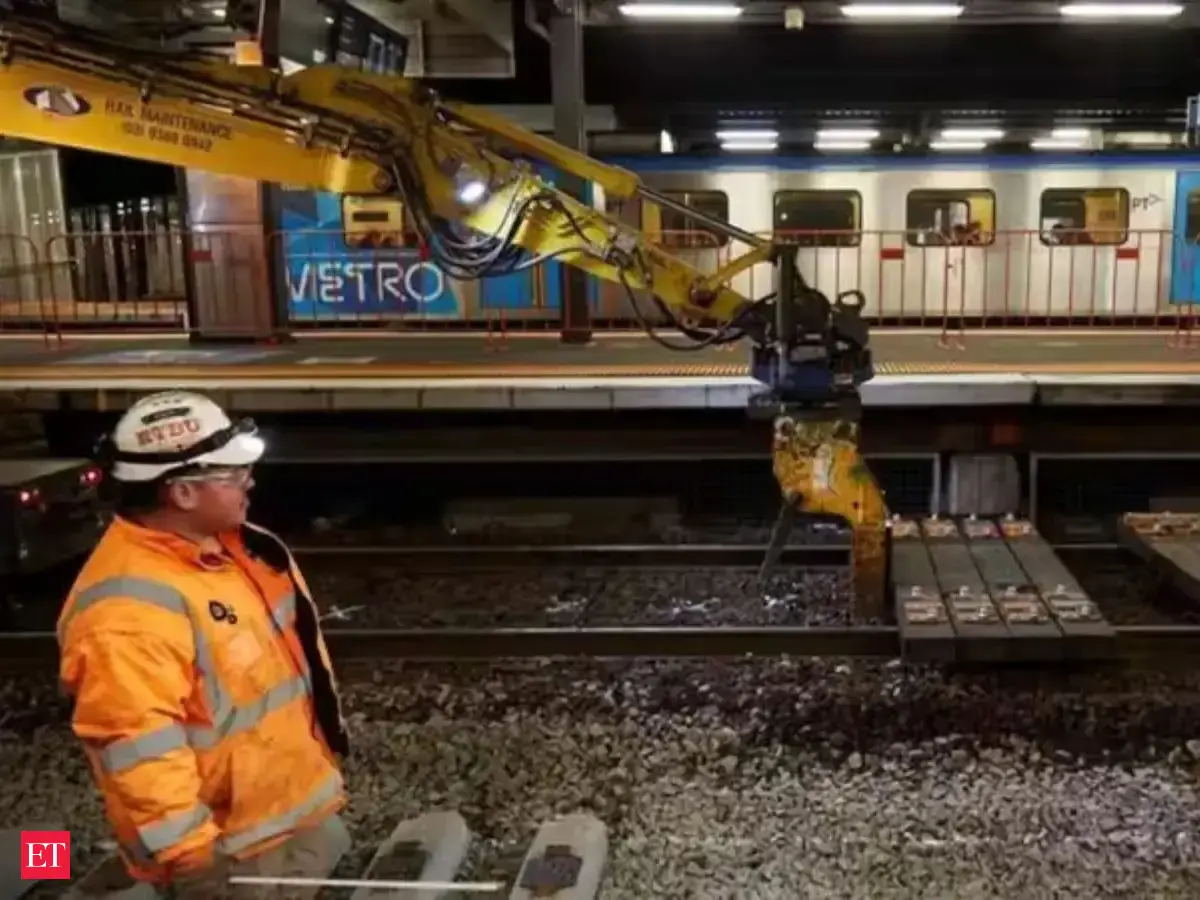
പ്ലാസ്റ്റിക് മാലിന്യങ്ങൾ കൊണ്ട് റെയിൽവേ സ്ലീപ്പറുകൾ നിർമ്മിച്ച് ഓസ്ട്രേലിയ. 2015-ൽ ആരംഭിച്ച ഈ പദ്ധതിയിലൂടെ കാർഷിക മാലിന്യങ്ങളും റീസൈക്കിൾ ചെയ്ത പ്ലാസ്റ്റിക്കും ഉപയോഗിച്ച് നിർമ്മിക്കുന്ന സ്ലീപ്പറുകൾക്ക് 50 വർഷം വരെ ആയുസ്സുണ്ടാകും. പരിസ്ഥിതി മലിനീകരണം കുറയ്ക്കാനും റെയിൽവേ ട്രാക്കുകളുടെ ബലക്ഷയം പരിഹരിക്കാനും ഈ നൂതന സാങ്കേതികവിദ്യ സഹായിക്കുന്നു.
Started turning waste plastic into railway sleepers in 2015, Australia now has sleepers that could last up to 50 years & keep tonnes of plastic out of landfills
1/6
How Australia's plastic railway sleeper project began
The project was designed to address two problems at once: the growing amount of plastic waste requiring new uses and the need for railway sleepers that can withstand repeated loads. Research into recycled plastic sleepers began in 2015, with government-backed research and development helping the technology move towards railway trials. Researchers had to establish that the material could withstand the forces generated by trains while maintaining track geometry and stability. Laboratory tests examined properties including elastic modulus, maximum elastic strain limit and response to different strain rates. The team also studied load transfer, track stability, noise and vibration, while developing a finite-element model to assess how track gauge and sleeper dimensions affected the material's behaviour.
2/6
Australia turns waste plastic into railway sleepers that could last up to 50 years
Australia began researching railway sleepers made from recycled plastic in 2015, in an effort to tackle plastic waste while developing an alternative to conventional timber sleepers. The Duratrack project was developed by Victorian manufacturer Integrated Recycling with researchers at Monash University's Institute of Railway Technology. The composite sleepers contain about 85% post-consumer recycled plastic, including agricultural waste such as silage wrap and twine, along with polystyrene and other difficult-to-recycle materials. Instead of sending these materials to landfill, the project converts them into a structural component used beneath railway tracks.
3/6
Plastic sleepers tested on Victorian railways
Before being used on Melbourne's metropolitan network, Duratrack sleepers were trialled on selected tourist and heritage railways in Victoria, including Puffing Billy, Walhalla Goldfields Railway and Victorian Goldfields Railway. These trials provided researchers with experience of how the recycled composite performed in railway environments. A major milestone came in June 2019, when around 190 Duratrack sleepers were installed at Richmond railway station in Melbourne as part of an 18-month metropolitan trial. The sleepers were manufactured in Mildura by Integrated Recycling using recycled material sourced in Australia. The project received Victorian government support through Sustainability Victoria, while the research and development was led by Integrated Recycling and Monash University's Institute of Railway Technology.
4/6
Researchers compared plastic sleepers with timber
Further testing was carried out at Tottenham Junction in West Footscray, where 25 Duratrack sleepers were installed in the Australian Rail Track Corporation network alongside timber sleepers in a one-in-five arrangement. Researchers monitored the sleepers for 12 months under real railway conditions, carrying out regular visual inspections and measuring factors including strain, noise and vibration. The testing was aimed at understanding how the plastic composite performed within a working track and improving the design procedures used for recycled-material sleepers. The results helped establish Duratrack as an alternative to timber for specified low-speed railway applications, rather than as a universal replacement for every type of sleeper.
5/6
Plastic sleepers approved for specified low-speed applications
The research helped create a pathway for Duratrack to be used in real railway projects. The sleepers were type-approved for low-speed siding and yard applications on the Metro Trains Melbourne and V/Line networks. The work also contributed to the development of AS1085.22, an Australian Standard covering alternative material sleepers and providing a framework for sleepers made from materials other than conventional timber, concrete and steel. Duratrack sleepers have since been used at locations including Richmond Station, Wyndham Vale stabling yard and Tottenham Station, with the technology also incorporated into railway upgrade projects, including planned installations on the Shepparton and Warrnambool line upgrades.
6/6
Up to 50-year lifespan and 64 tonnes of plastic diverted per km
The environmental case for the technology is another key part of the project. Sustainability Victoria says around 1,500 Duratrack sleepers, enough for roughly one kilometre of track, can divert about 64 tonnes of recyclable plastic from landfill. The composite sleepers are also designed to be recycled at the end of their service life and turned into new sleepers. The sleepers have a potential lifespan of up to 50 years, although this is a projected service-life estimate rather than evidence from five decades of operation. Victorian government material has also described the lifespan as potentially three times that of traditional timber sleepers. In 2021, Integrated Recycling received funding through the Recycling Modernisation Fund to install a modular production line at its Mildura facility, designed to process an additional 1,600 tonnes of plastic and produce up to 35,000 sleepers a year. The project has therefore moved from laboratory research and small-scale trials towards a larger infrastructure application, turning difficult-to-recycle plastic into a railway component designed to remain in service for decades.