
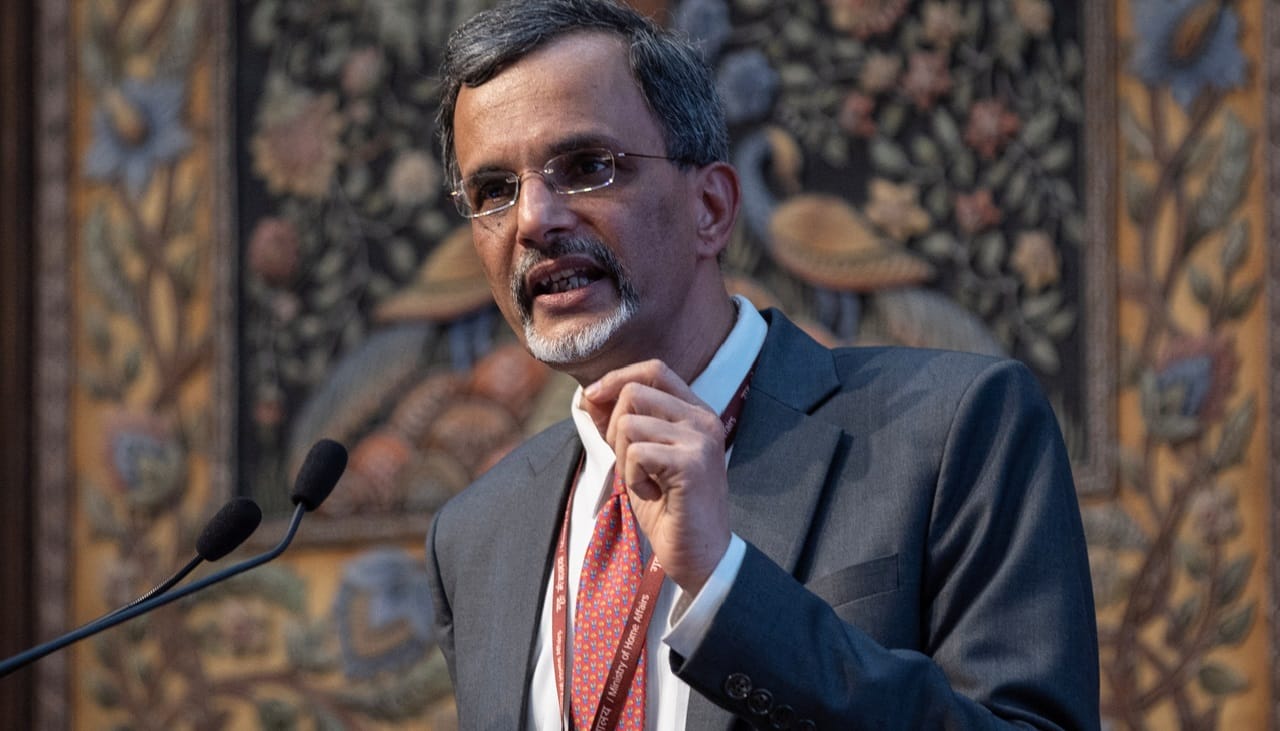
എംഎസ്എംഇ മേഖലയുടെ വായ്പാ മാനദണ്ഡങ്ങൾ പരിഷ്കരിക്കണമെന്നും കുടിശ്ശികകൾ കൃത്യസമയത്ത് തീർപ്പാക്കണമെന്നും മുഖ്യ സാമ്പത്തിക ഉപദേഷ്ടാവ് വി. അനന്ത നാഗേശ്വരൻ ആവശ്യപ്പെട്ടു. വായ്പകൾ എൻപിഎ ആകുന്ന രീതിയിലുള്ള നിലവിലെ വർഗ്ഗീകരണത്തിൽ മാറ്റം വേണം. സർക്കാർ സ്ഥാപനങ്ങൾ ഉൾപ്പെടെയുള്ളവർ പേയ്മെന്റ് കാര്യത്തിൽ മാതൃകയാകണമെന്നും അദ്ദേഹം ഓർമ്മിപ്പിച്ചു.
Chief economic adviser (CEA) V Anantha Nageswaran on October 9 called for timely payments to micro, small, and medium enterprises (MSMEs) and a review of loan norms in keeping with their working capital requirements.. Nageswaran was speaking at 21st Annual National Conference on Inclusive Growth organised by Sa-Dhan. Nageswaran stressed on the need of reviewing the norms regarding classification of MSMEs as special mention accounts (SMAs). "The moment a loan is classified as SMA, then (the account) almost end up becoming... NPA (non-performing asset). I think that needs to change," Nageswaran said. "We need to evolve such norms consistent with the practices and cash flow patterns," he added. Banks classify accounts as SMAs based on how long payment is overdue. Payment overdue up to 30 days is classified as SMA-0, 31 to 60 days as SMA-1, and 61 to 90 days as SMA-2. Accounts that remain overdue beyond 90 days is classified as a non-performing asset (NPA). Delayed payments remain a major concern for MSMEs, which often face an unequal bargaining position when dealing with larger businesses and institutions. Nageswaran said some buyers raise objections over the quality of goods or services only near the payment deadline, using them as a reason to delay payments. He called for stronger payment discipline and said government ministries, public sector entities and government procurement agencies should set an example for the private sector. The CEA also said credit growth in the MSME sector has been outperforming overall bank credit growth and continues to show positive trends in 2026. Loans to MSMEs had reached Rs 46 trillion by the end of April, a growth of 12.8-13 percent from the year-ago period. Highlighting the progress of the Trade Receivables Discounting System (TReDS), he said the value of discounted invoices had increased from around Rs 2,000 crore at the platform's inception to nearly Rs 3.5 lakh crore.