
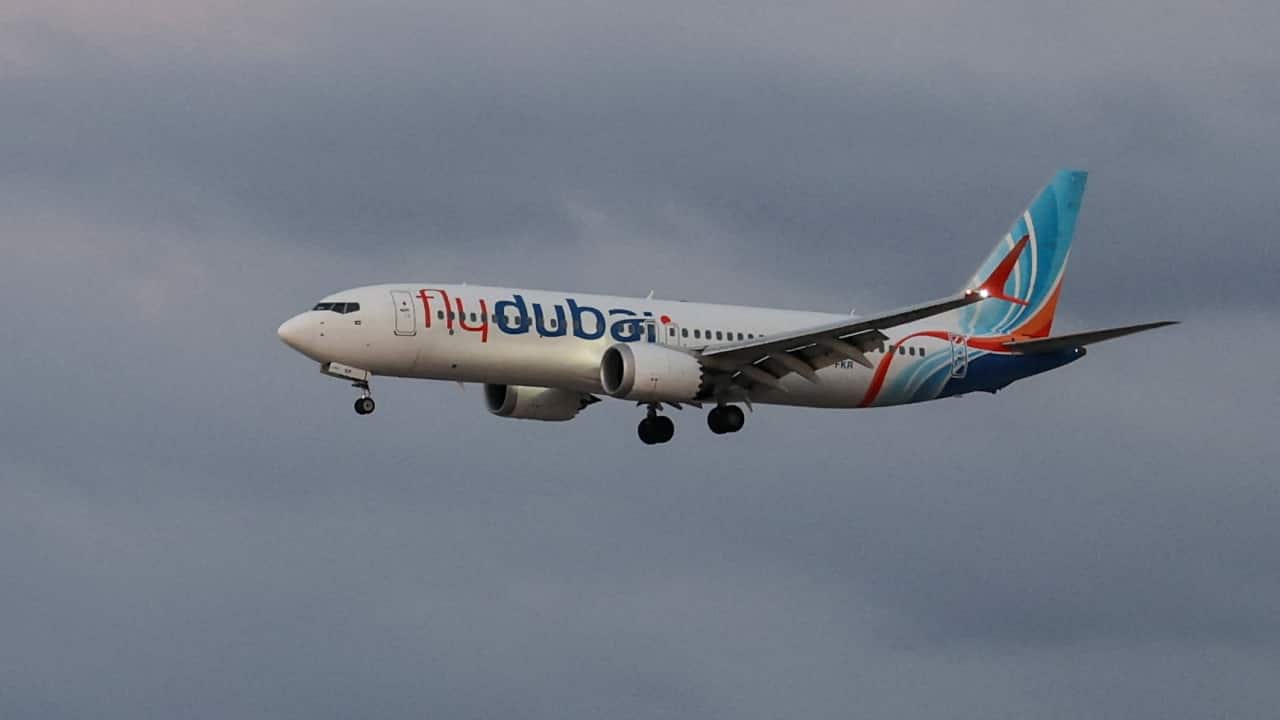
ദുബായ്-ടെൽ അവീവ് ഫ്ലൈ ദുബായ് വിമാനത്തിൽ പൈലറ്റിന് നേരെ ആക്രമണമുണ്ടായപ്പോൾ അധികമായി ഉണ്ടായിരുന്ന രണ്ട് പൈലറ്റുമാർ വിമാനത്തെയും യാത്രക്കാരെയും രക്ഷിച്ചു. സാധാരണയായി ഹ്രസ്വദൂര വിമാനങ്ങളിൽ അധിക പൈലറ്റുമാർ ഉണ്ടാകാറില്ല. എന്നാൽ, മറ്റൊരു സ്ഥലത്ത് ജോലിക്ക് നിയോഗിക്കപ്പെട്ട പൈലറ്റുമാർ യാത്രക്കാരായി സഞ്ചരിക്കുന്ന 'ഡെഡ്ഹെഡിംഗ്' എന്ന രീതിയാണ് ഇതിന് കാരണമായത്.
Four pilots happened to be aboard FlyDubai Flight 1073 when a cockpit attack left its captain badly wounded, an unusual circumstance that ultimately helped save the aircraft and the 182 people on board. Only two pilots were operating the Boeing 737 Max 8 on its journey from Dubai to Tel Aviv. The other two were sitting in the passenger cabin when the co-pilot attacked Captain Smit Machchhar. After passengers overpowered the attacker, the additional pilots were able to take control of the aircraft and make an emergency landing in Saudi Arabia. Their presence raises an obvious question: why did a flight lasting only about three and a half hours have four pilots aboard? The extra pilots were probably 'deadheading' According to the New York Times, airlines generally do not put an entire backup flight crew on relatively short flights simply as a precaution. Pilots are highly trained and expensive employees, making it costly to routinely double the number assigned to a flight. A more likely explanation is a common aviation practice known as "deadheading". Airlines frequently need pilots in a different city from the one where they have just finished working. Rather than travelling separately, they are carried as passengers on another company flight so they are in position to operate a subsequent service. FlyDubai confirmed that "on-duty FlyDubai crew traveling on the flight" eventually landed Flight 1073 safely. Pilots travelling this way remain on company assignment. They are therefore considered on duty and are paid, although they are not operating the aircraft on that particular flight. They are also prohibited from drinking alcohol, while wearing their uniform is optional. Retired airline captain and aviation safety consultant John Cox said this was the most likely explanation for the two additional pilots. "We move pilots all around the world," he said. They may have been needed for the return flight There is another possible explanation. The additional pilots may have been aboard because FlyDubai needed a fresh crew to operate the aircraft on its return journey to Dubai. Pilots are subject to strict limits on how long they can remain on duty before they must rest. Importantly, those limits are not calculated simply according to the number of hours spent flying. A pilot's duty period begins when they report for work at the airport and can include time spent taxiing, waiting through delays and handling ground turnarounds. Unexpected diversions or prolonged holding patterns can therefore push pilots towards their maximum permitted duty period. Once they reach that limit, they "time out" and cannot continue operating. Having another crew positioned at the destination can allow an airline to keep its schedule running even if the original pilots can no longer legally operate the return service. FlyDubai did not explain why the two additional pilots were aboard Flight 1073. Regional conflict has complicated airline schedules A flight of around three and a half hours would not normally require additional pilots, but aviation experts said the security situation in the Middle East has made airline scheduling less predictable. Major Gulf carriers have repeatedly had to cancel, suspend or reroute services as conflicts in the region have intensified. Flights may also have to wait until threats such as missile attacks have passed before entering particular airspace. Such disruptions can extend pilots' working hours and increase the risk of crews reaching their legal duty limits. Aviation security expert Sally Leivesley said carrying a backup crew could therefore make sense under current regional conditions. However, she saw no indication that the two additional pilots had been placed aboard because FlyDubai knew of a specific security threat. One reason was their response to the attack itself. Passengers reached the cockpit and intervened before the additional pilots took control. Leivesley reasoned that had they been expecting a threat, they would probably have responded before passengers rushed towards the flight deck. Their presence became crucial Whatever the reason the pilots were aboard, their presence proved extraordinarily fortunate. Machchhar was badly wounded but managed to unlock the cockpit door and send an emergency signal while the aircraft was plunging towards the ground. Passengers then overpowered the attacking co-pilot, allowing the additional pilots to take control. The aircraft was also badly damaged, with its rudder reportedly ripped off, yet it remained flyable and was eventually landed safely in Saudi Arabia. Leivesley estimated that the intervention came extraordinarily close to being too late. In her assessment, another five seconds of descent could have taken the aircraft beyond the point at which it could be recovered. The extra pilots may have been aboard for the mundane business of airline scheduling. In the circumstances Flight 1073 encountered, however, having two qualified pilots sitting in the cabin became critical