Short news for quality minds. Power your niche.Smartly curated short news for quality minds. Want your own niche feed? Integrate with us today.

TheReader.AI
Home
News
Integrate
Pricing
About Us
Profile
My FeedNationPoliticsBusinessMarketWorldSportsTechnologyEnvironmentScienceEntertainment
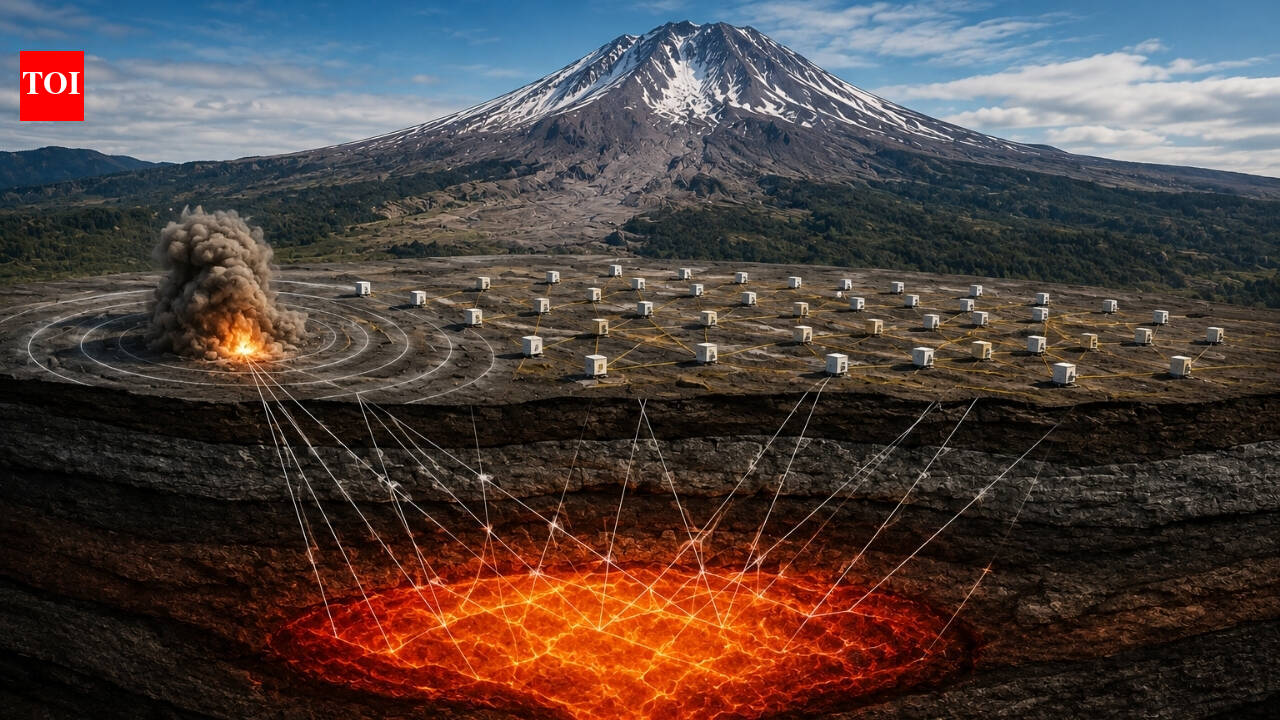
Scientists 'shook' Mount St. Helens to find the massive magma reservoir hiding beneath our feet.

Scientists 'shook' Mount St. Helens to find the massive magma reservoir hiding beneath our feet.

The Times of India

In 2014, scientists set off 23 explosions and deployed 3,500 seismographs around Mount St Helens; the experiment helped image a magma reservoir roughly 4 to 15 km beneath the volcano. Researchers used these artificial waves to map the complex underground plumbing system, showing how molten material hides deep inside the mountain.
Tap to Read More25 Aug 8:25 AM
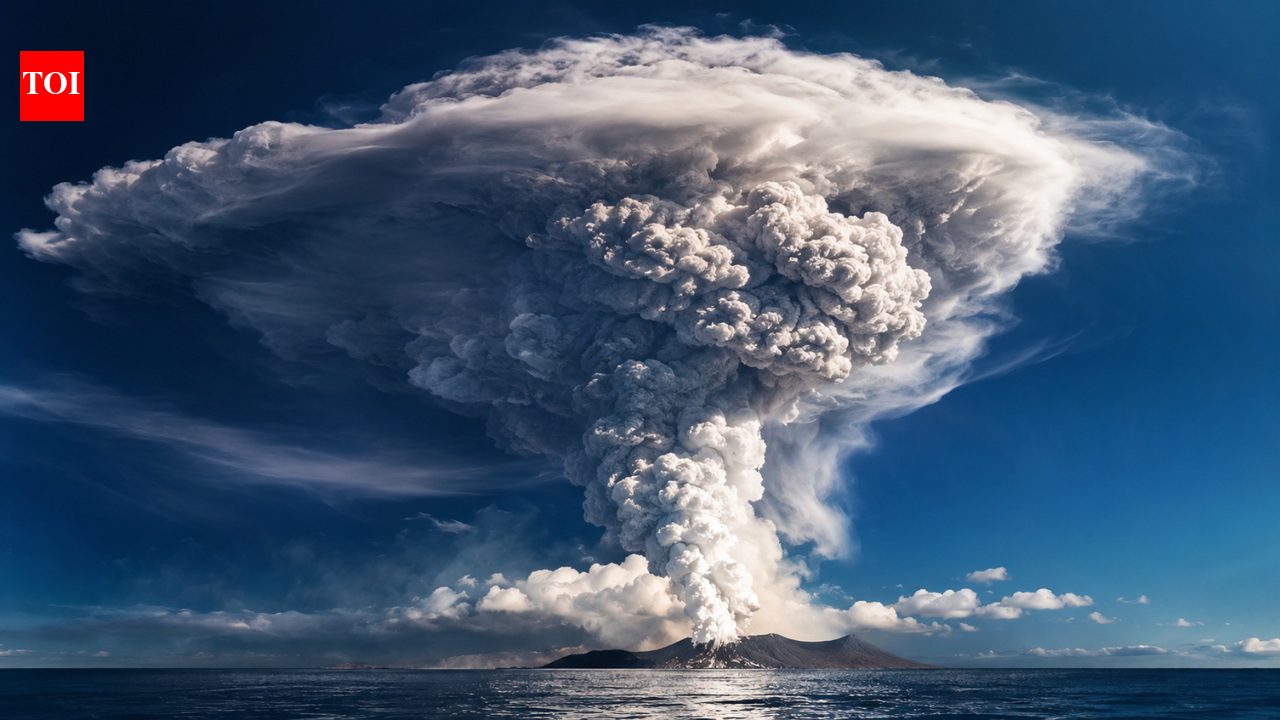
That massive volcano eruption 'shook' our atmosphere—and it’s still messing with the ozone layer.

That massive volcano eruption 'shook' our atmosphere—and it’s still messing with the ozone layer.

The Times of India

On 15 January 2022, the Hunga Tonga-Hunga Ha'apai eruption sent huge amounts of water vapour into the stratosphere. This event changed ozone levels and radiation effects globally. Scientists said this "was an amount far beyond anything recorded by the satellite instrument." The moisture remained detectable in the atmosphere through 2023.

Tap to Read More25 Aug 10:00 AM
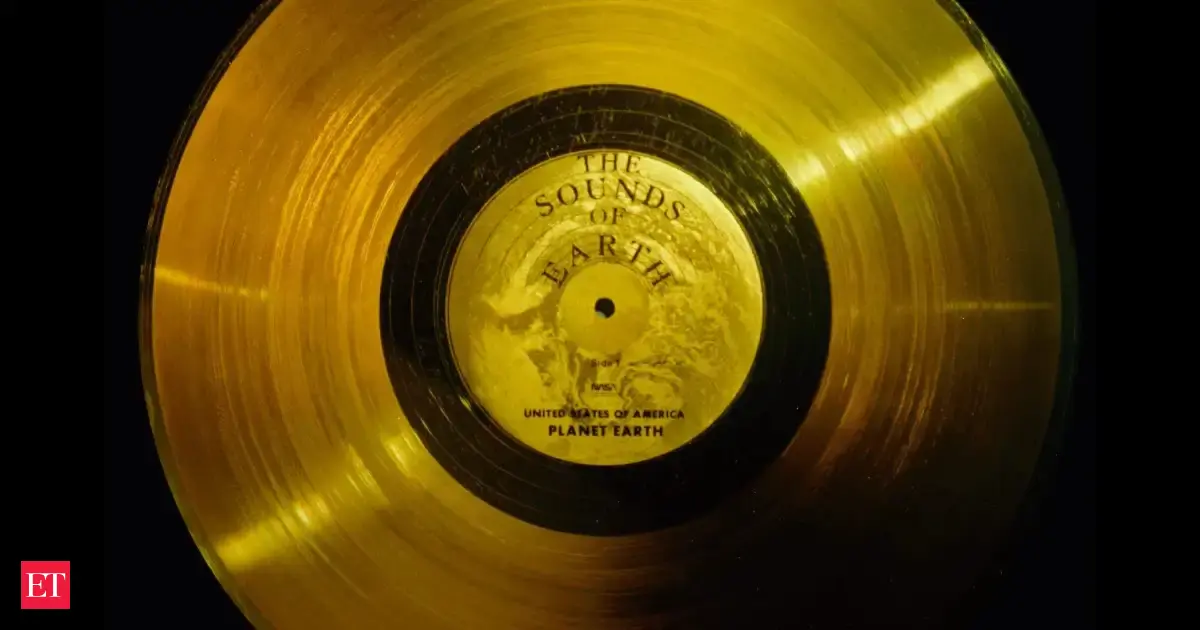
Our 'Message in a Bottle': Why NASA sent humanity’s life story into the deep, lonely reaches of space.

Our 'Message in a Bottle': Why NASA sent humanity’s life story into the deep, lonely reaches of space.

Economic Times

In 1977, NASA placed a gold-plated copper record on each Voyager; it carries 115 images, greetings in 55 languages, and instructions for playing it. Carl Sagan led the team that picked sounds and music for this cosmic mixtape. The record remains a unique message from Earth traveling through deep space.

Tap to Read More25 Aug 10:00 AM
New Framework Explains Signal Amplification in Organic Electrochemical Transistor Biosensors

New Framework Explains Signal Amplification in Organic Electrochemical Transistor Biosensors

AZoSensors.com

Researchers introduced a new framework on Aug 25 2026 to explain how organic electrochemical transistors convert molecular binding into electronic signals. Published in Nature Communications, the study showed that using channel current as the sensing output produced up to 5.7-fold amplification, helping experts design better biosensors for detecting disease biomarkers.

Tap to Read More25 Aug 9:35 AM
Did Dinosaurs eat fruit? Ancient seeds reveal that prehistoric forests were full of berries

Did Dinosaurs eat fruit? Ancient seeds reveal that prehistoric forests were full of berries

The Times of India

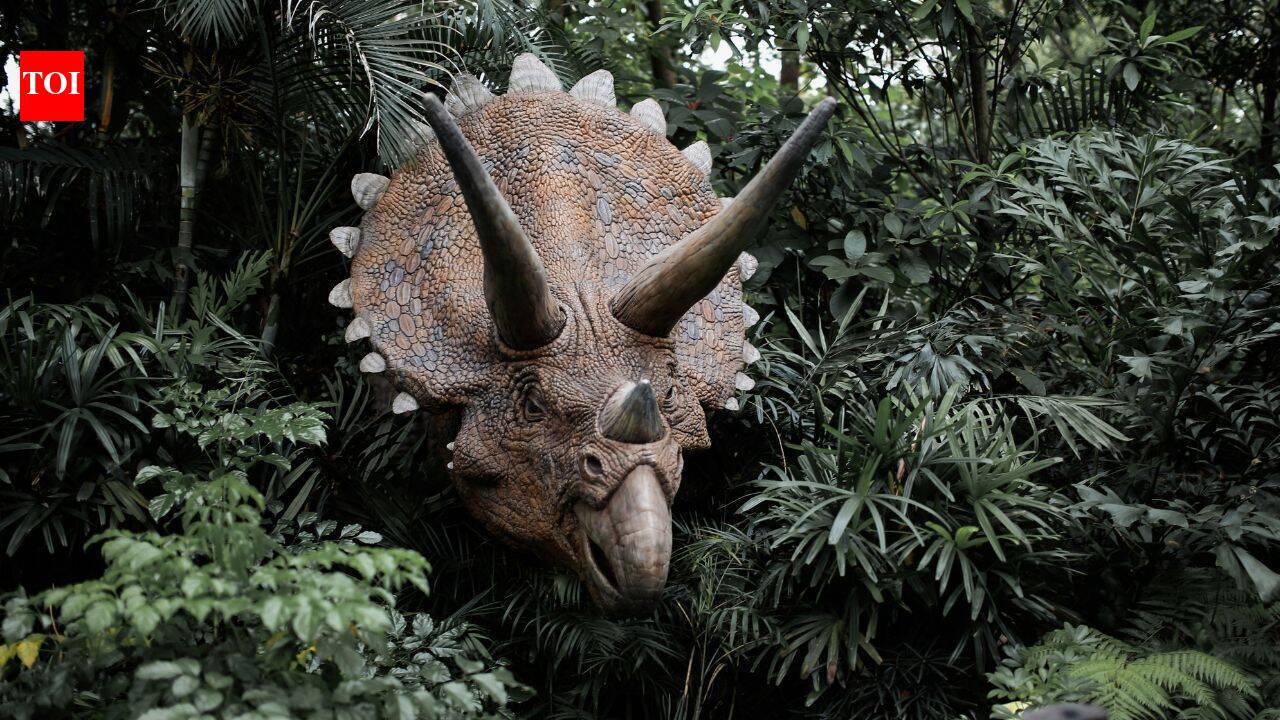
A fossil study published on June 25 in ScienceNews shows that dinosaurs ate fruit 74 million years ago. Researchers found 450 fossilized seeds in New Mexico, proving ancient forests had many berries. Brian Atkinson said, "The study proves larger fruit and seed sizes were already well established before the end."

Tap to Read More25 Aug 9:29 AM
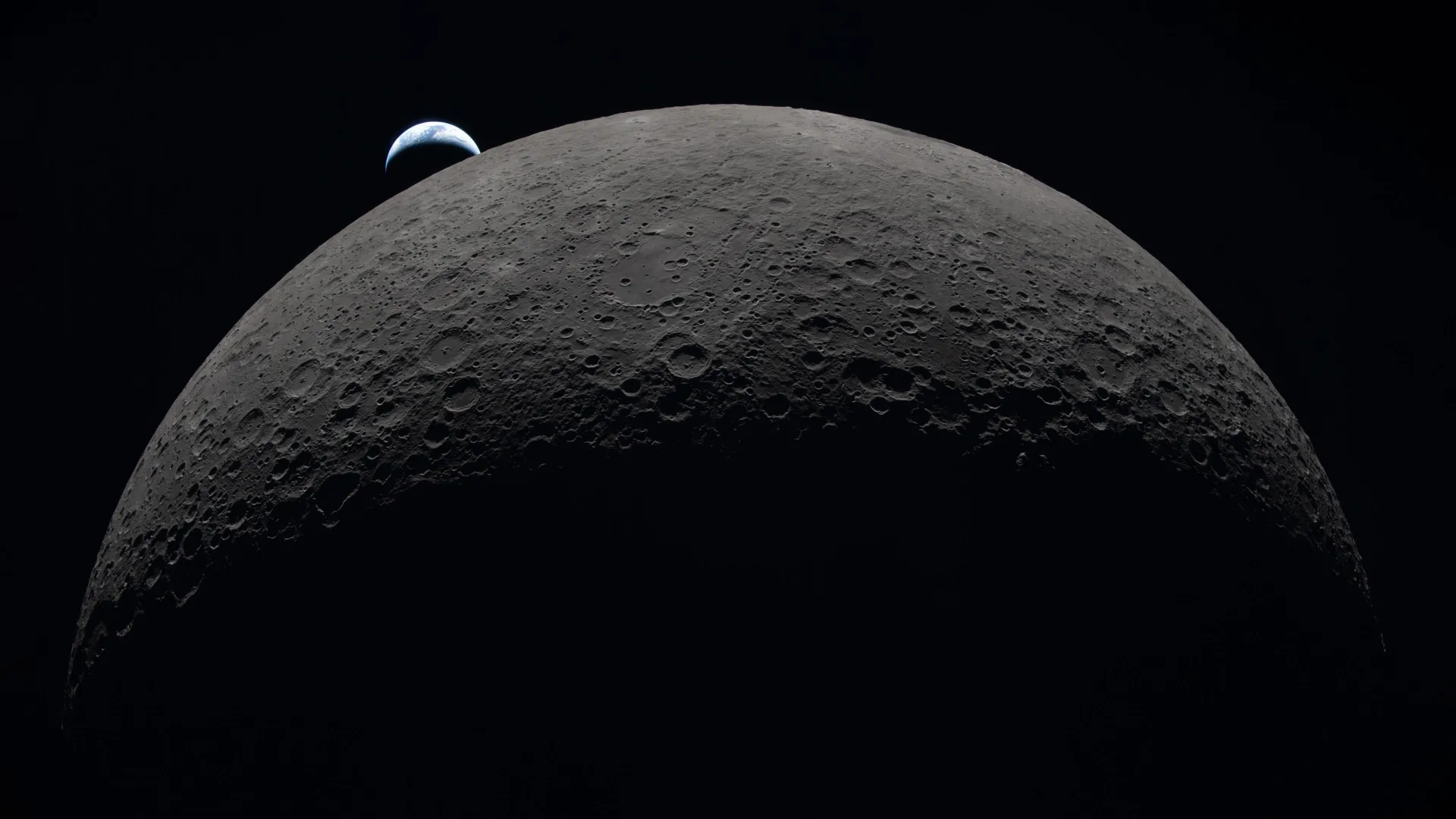
We could actually live on the Moon: Scientists just found 200 caves 'hiding' right near the Apollo 11 landing site.

We could actually live on the Moon: Scientists just found 200 caves 'hiding' right near the Apollo 11 landing site.

Economic Times

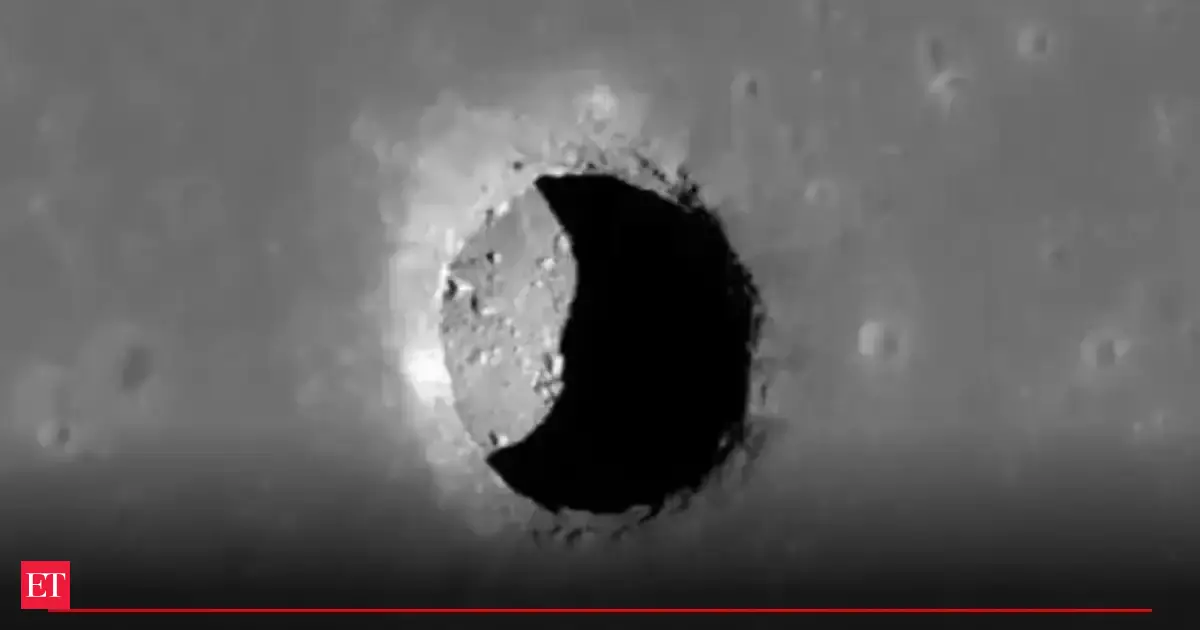
NASA scientists confirmed a cave beneath the Moon’s surface using radar data from the Lunar Reconnaissance Orbiter. Located near the Apollo 11 landing site in the Sea of Tranquility, this discovery offers potential shelter for future astronauts. Researchers have now catalogued more than 200 of these pits across the moon.

Tap to Read More25 Aug 8:20 AM
What is a launch window?

What is a launch window?

The Hindu

On August 24, China called off the launch of its Chang'e 7 mission to the moon's south pole. Officials said they acted for the sake of "prudence, reliability and absolute mission success". Because space missions need specific planetary alignments, the team now has to wait until next year for another chance.

Tap to Read More25 Aug 8:15 AM
India's Space Journey and the next frontier of cooperation

India's Space Journey and the next frontier of cooperation

Hindustan Times

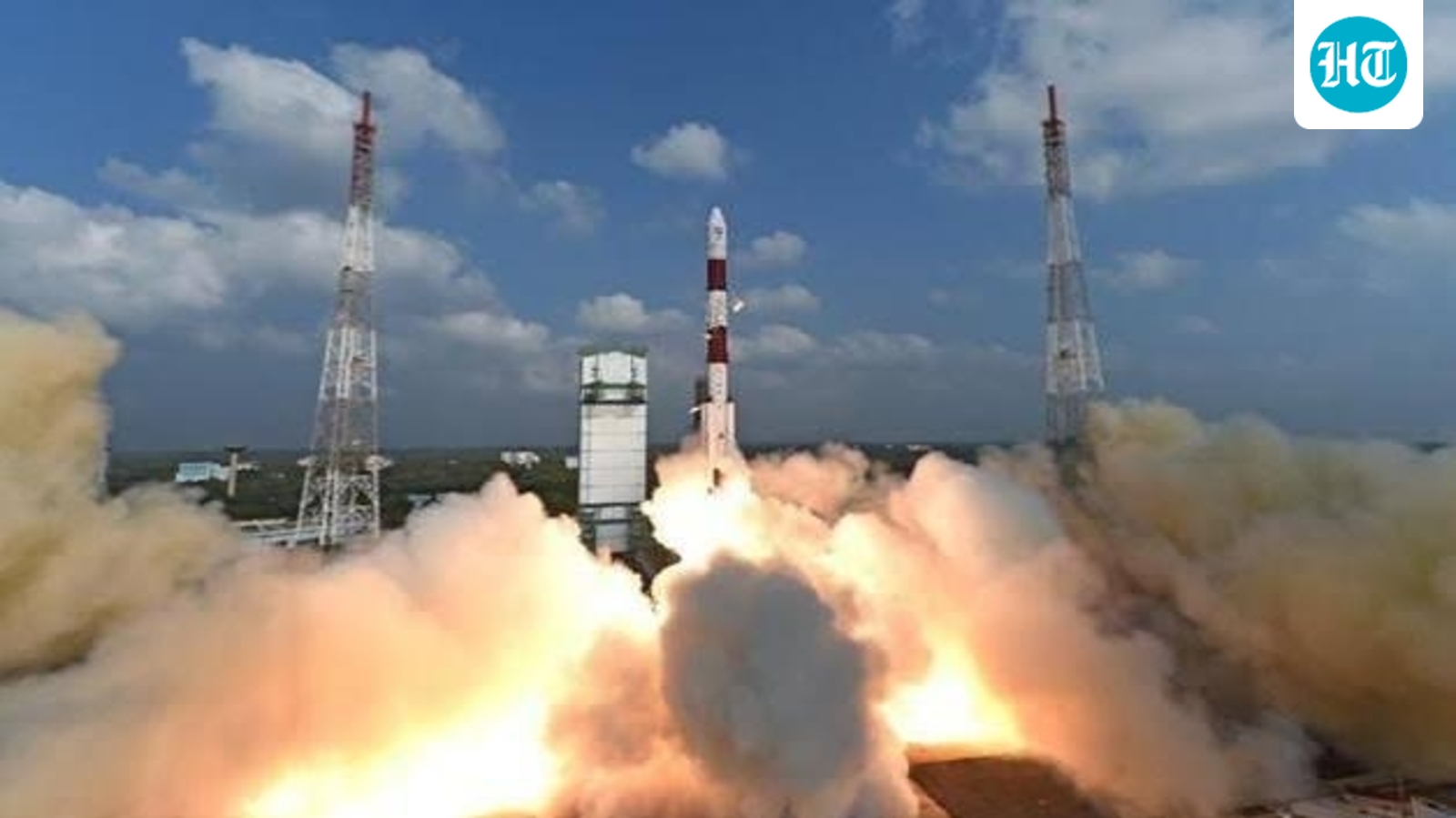
India observed National Space Day on August 23 to mark Chandrayaan-3’s successful Moon landing. Beyond this, India built strong space partnerships, including launching Israel’s satellites. The sector grew fast, with start-ups rising from one in 2014 to over 400. Now, India aims to grow its space economy to $44 billion by 2033.

Tap to Read More25 Aug 10:03 AM
Would you eat a 3D printed cookie made from plastic waste? NASA astronauts might have to

Would you eat a 3D printed cookie made from plastic waste? NASA astronauts might have to

WION

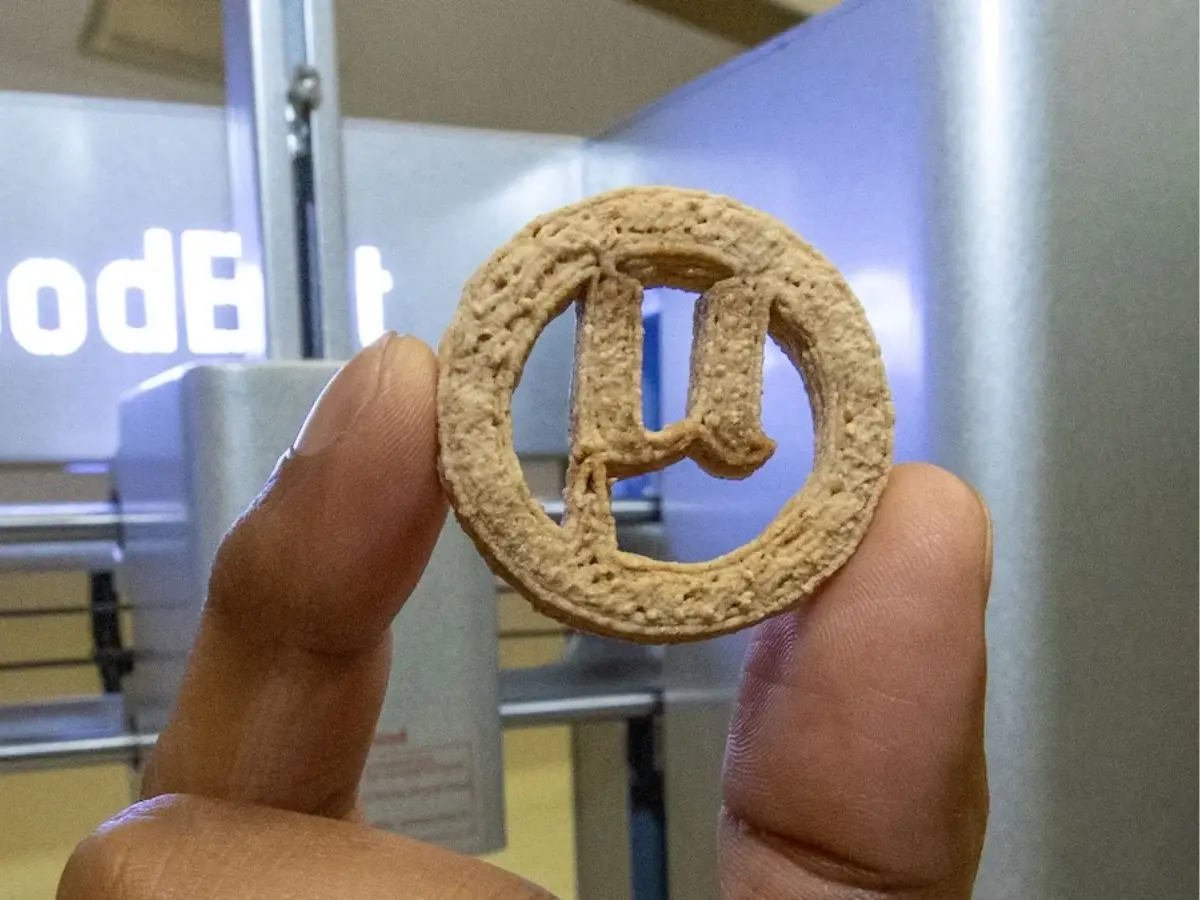
Researchers at Southern Illinois University Carbondale used engineered yeast to turn plastic waste into 3D printed cookies. Funded by NASA, these "µBites" contain proteins and fats derived from broken-down plastic. Microbiologist Lahiru Jayakody said, "I think it has a pleasant, appealing aroma. And it will taste good, too."

Tap to Read More25 Aug 6:22 AM
NASA finds Earth microbes could survive on the Moon

NASA finds Earth microbes could survive on the Moon

Science Daily

NASA findings published on Aug. 19, 2026, show Earth microbes could survive on the Moon. Researchers said, "Humans are natural explorers, and with them come their voices, their memories … and their microbes." This poses challenges for lunar study, as astronauts might accidentally introduce bacteria that complicate future scientific research.

Tap to Read More25 Aug 6:32 AM
China abruptly postpones ambitious Chang'e-7 lunar mission launch

China abruptly postpones ambitious Chang'e-7 lunar mission launch

The Hindu

China said on Sunday (August 23, 2026) it was postponing its ambitious Chang'e-7 lunar mission. The China Manned Space Agency said the mission "cannot take place during the planned window this year." The spacecraft was set to search for water ice on the moon from the Wenchang Space Launch Site.

Tap to Read More25 Aug 7:01 AM
As RAM crisis deepens, MIT engineers build working computer circuits using bacteria

As RAM crisis deepens, MIT engineers build working computer circuits using bacteria

India Today

MIT engineers built working computer circuits using bacteria to act like tiny transistors. The team used the bacterium Pantoea agglomerans to control molecular signals between colonies. These biological circuits can perform logic operations and calculations. In the future, this technology could allow plants to detect drought or pest attacks.

Tap to Read More25 Aug 7:27 AM
Page 1 of 7NextTop End

Site Navigation

Terms & ConditionsPrivacy & PolicyRefund PolicyLLMs

Get in Touch

About UsContact UsBlogVideos

TheReader.AI

Summarization is not about shortening text; it’s about amplifying meaning.

Best News App Indiavs InshortsExplore Our Philosophy →
TheReader.AI LogoLets Talk!

Copyright © 2026 TheReader.AI, Your intelligent news reading partner | Powered by CandoMinds