Short news for quality minds. Power your niche.

Bengaluru: New show at planetarium honours legacy of India’s first satellite

Bengaluru: New show at planetarium honours legacy of India’s first satellite

The Hindu

The Jawaharlal Nehru Planetarium in Bengaluru unveiled a new show, The Inspiring Legacy of Aryabhata, on Thursday (July 30). The four-minute presentation honours India’s first satellite. M. Sankaran said, “The reason you need to remember the past is to look forward to the future.” Many students attended the special screening.

Tap to Read More
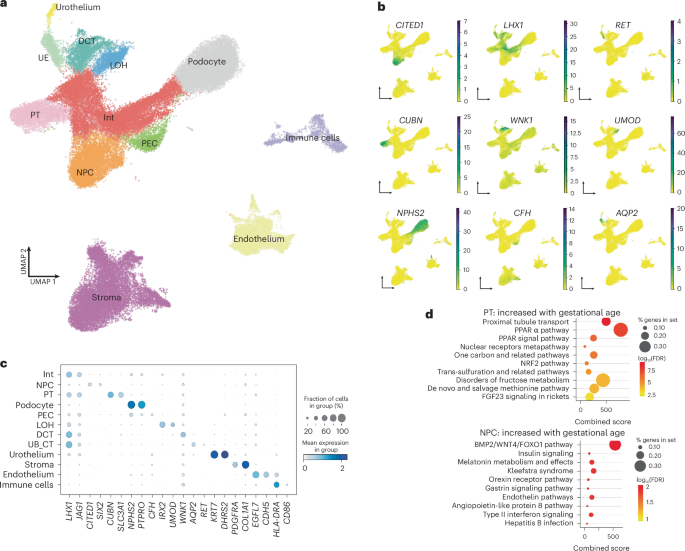
Single-cell spatial mapping of human kidney development implicates the microenvironment in guiding cell fate decisions

Single-cell spatial mapping of human kidney development implicates the microenvironment in guiding cell fate decisions

Nature

Researchers mapped human kidney development using five fetal kidneys aged 12.5 to 20.5 weeks. They created an atlas of 65,289 cells to study how the microenvironment guides cell fate. The study showed that as kidneys grew, pathways linked to cell growth fell while those for metabolism and transport got stronger.

Tap to Read More
July full moon delights skywatchers worldwide. Here are our top photos of the majestic Buck Moon

July full moon delights skywatchers worldwide. Here are our top photos of the majestic Buck Moon

Space

The full Buck Moon rose to delight stargazers on July 29. Many people got photos of the moon as it climbed above the horizon. Kevin McCarthy said, "The moon has a definite warm tint likely caused by its low position in the sky." The moon showed a spectacular display worldwide.

Tap to Read More
Coherent room-temperature dipole synchronization in plasmonic nanocavities

Coherent room-temperature dipole synchronization in plasmonic nanocavities

Nature

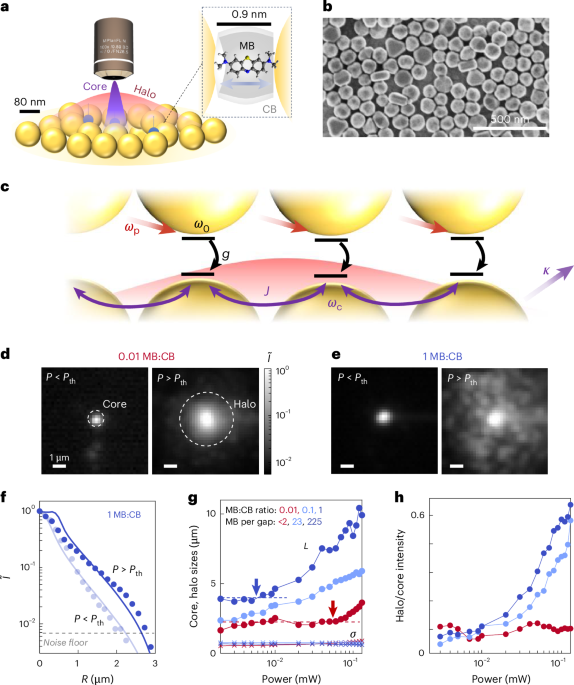
Researchers achieved room-temperature dipole synchronization in plasmonic nanocavities using self-assembled 2D arrays. By placing methylene blue molecules inside 0.9-nm nanogaps of 80-nm gold nanoparticles, the team created a system where emitters interact strongly. This setup allows for collective behavior and spatial coherence without needing complex cooling or expensive microfabrication methods.

Tap to Read More
Could quantum physics help us find Earth 2.0?

Could quantum physics help us find Earth 2.0?

Physics org

Hyunsoo Choi of Hanyang University and his co-authors described a new way to find Earth-like planets using quantum physics. Their paper shows that sorting photons by wave patterns helps cameras see dim planets near bright stars. This smart method uses computer algorithms to extract information that regular cameras often miss.

Tap to Read More
Study rewrites what we know about ancient Mediterranean seafaring

Study rewrites what we know about ancient Mediterranean seafaring

Earth.com

Hunter-gatherers sailed across open water at least 62 miles between Sicily and Malta thousands of years before farming began. Research showed these groups maintained connections for over a millennium. "The ability to engage in long-distance seafaring marks a major transition in human history," said Professor Eleanor Scerri about the findings.

Tap to Read More
OpenAI Gives 100,000 Researchers Free Access to Its Most Advanced ChatGPT

OpenAI Gives 100,000 Researchers Free Access to Its Most Advanced ChatGPT

The Hans India

OpenAI launched a program to give 100,000 researchers free access to its advanced AI models by 2027. Sam Altman said, "The best way to achieve this is by empowering scientists, rather than trying to solve everything ourselves." The rollout starts this summer, helping experts explore complex scientific questions using new tools.

Tap to Read More
Why some people started wearing aluminium foil hats: The famous MIT study that found something completely unexpected

Why some people started wearing aluminium foil hats: The famous MIT study that found something completely unexpected

Economic Times

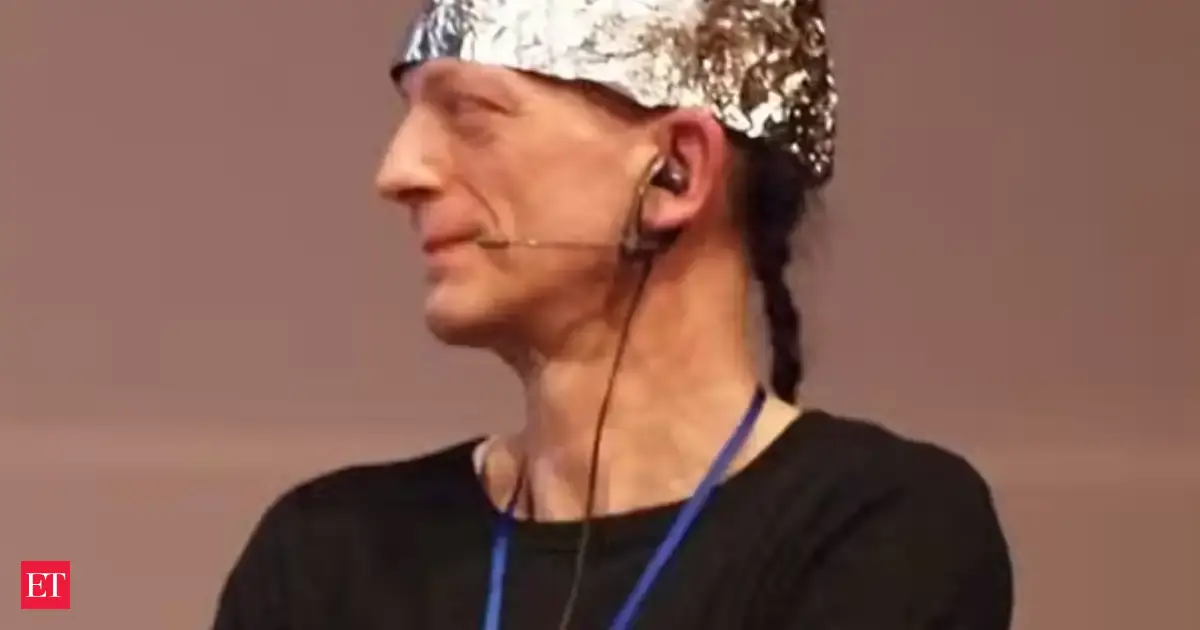
A 2005 MIT study found that aluminium foil hats actually amplified certain radio frequencies instead of blocking them. Researchers wrote the paper as satire to show how people often misinterpret science. Many believers thought the foil protected their brains, but the experiment showed it did not shield against everyday signals.

Tap to Read More
Why the dinosaurs disappeared: The asteroid that ended their reign struck Earth with a force of around 100 million megatons

Why the dinosaurs disappeared: The asteroid that ended their reign struck Earth with a force of around 100 million megatons

The Times of India

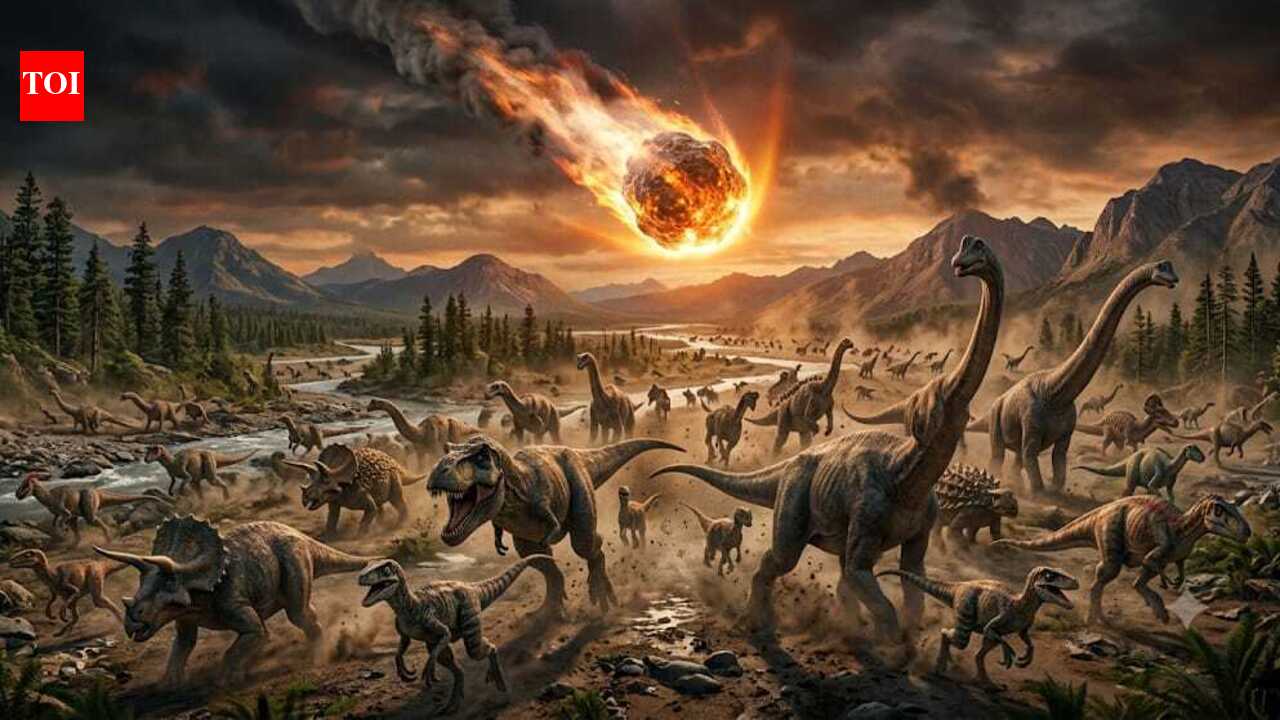
Around 66 million years ago, a massive asteroid struck Earth with a force of 100 million megatons, ending the reign of dinosaurs. This impact wiped out 75% of all species. Dust blocked sunlight, causing temperatures to fall and food chains to collapse. Only modern birds survived this ancient, global catastrophe.

Tap to Read More
Astrobase is building a reusable rocket engine and a launch vehicle in Bengaluru

Astrobase is building a reusable rocket engine and a launch vehicle in Bengaluru

YourStory.com

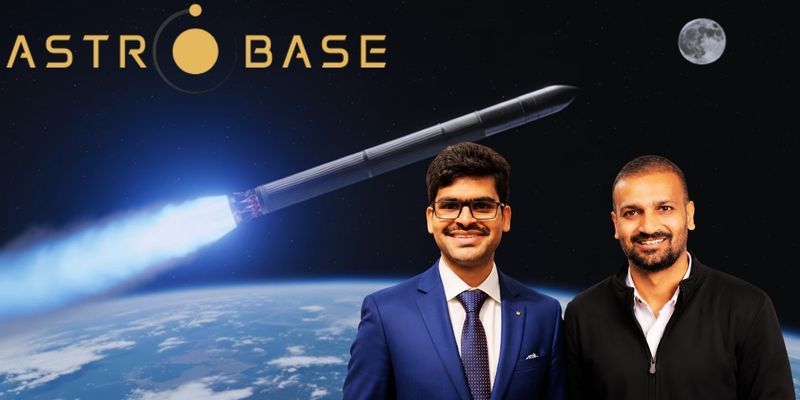
Astrobase is building a reusable rocket engine and a launch vehicle in Bengaluru. Founded in 2024, the company uses methane fuel to help meet rising satellite demand. In June 2026, IN-SPACe selected Astrobase for its Technology Adoption Fund, providing support for an 800 kilonewton engine designed for medium-lift space vehicles.

Tap to Read More
Scientists Have Developed A Camera That Can Track Invisible Particles in 3D

Scientists Have Developed A Camera That Can Track Invisible Particles in 3D

Wonderful Engineerin...

Researchers in Switzerland developed a new camera-based detector that tracks invisible particles in 3D. The system, called PLATON, uses a light field camera to watch flashes inside a solid block. This simple design could replace complex, expensive detectors and might even help improve medical imaging technology in the future.

Tap to Read More
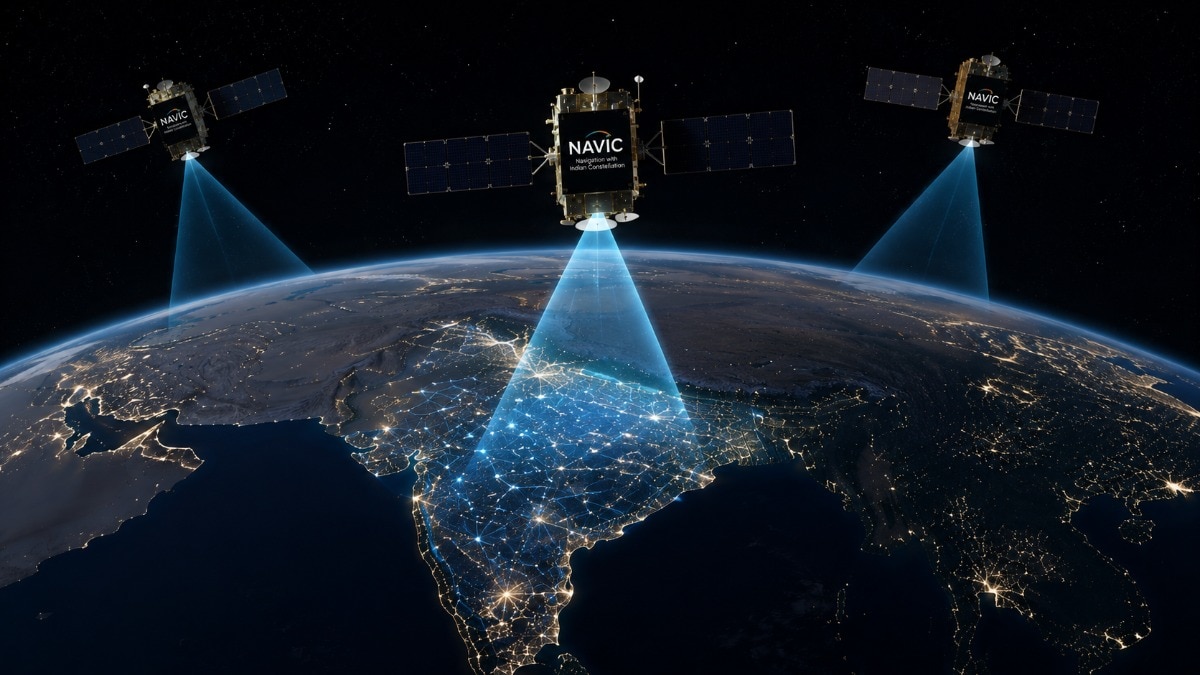
Explained: Why India's NavIC has failed for now and how GPS works in phones

Explained: Why India's NavIC has failed for now and how GPS works in phones

India Today

India’s homegrown navigation system, NavIC, is currently dysfunctional for public use. Union Minister Dr Jitendra Singh said the system needs at least four operational satellites to work, but only three are active. ISRO plans to launch more satellites soon to make the service functional again for users across the country.

Tap to Read More