Short news for quality minds. Power your niche.

Gr Noida deploys teams to fix flood-prone spots

Gr Noida deploys teams to fix flood-prone spots

Hindustan Times

Greater Noida deployed field teams to fix flood-prone spots after rainfall on Tuesday morning caused waterlogging. Officials said they cleared clogged drains and used pumps to restore traffic flow. CEO NG Ravi Kumar said, “Our focus is to ensure that rainwater is drained quickly and public movement is not affected.”
Tap to Read More
The 'fire-breathing dragon of clouds' over France: When a wildfire creates its own weather

The 'fire-breathing dragon of clouds' over France: When a wildfire creates its own weather

The Times of India

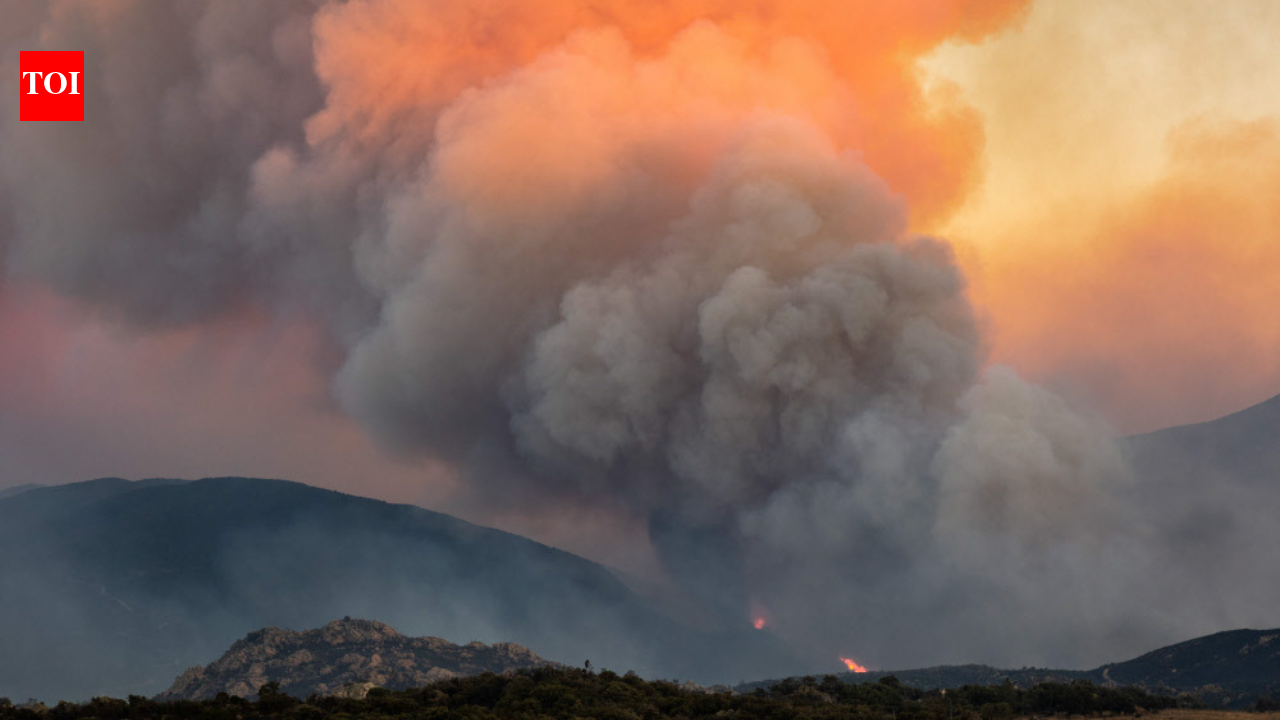
A massive wildfire in France created the country's first recorded fire cloud, a storm formed by heat and smoke. Nasa called it the "fire-breathing dragon of clouds." The fire burned 42,000 hectares, forcing many to leave. Officials said that extreme heat and drought helped these dangerous fires spread across Europe.

Tap to Read More
Race against time to seal Jorhat embankment breach to protect communities against surging rivers

Race against time to seal Jorhat embankment breach to protect communities against surging rivers

The Times of India

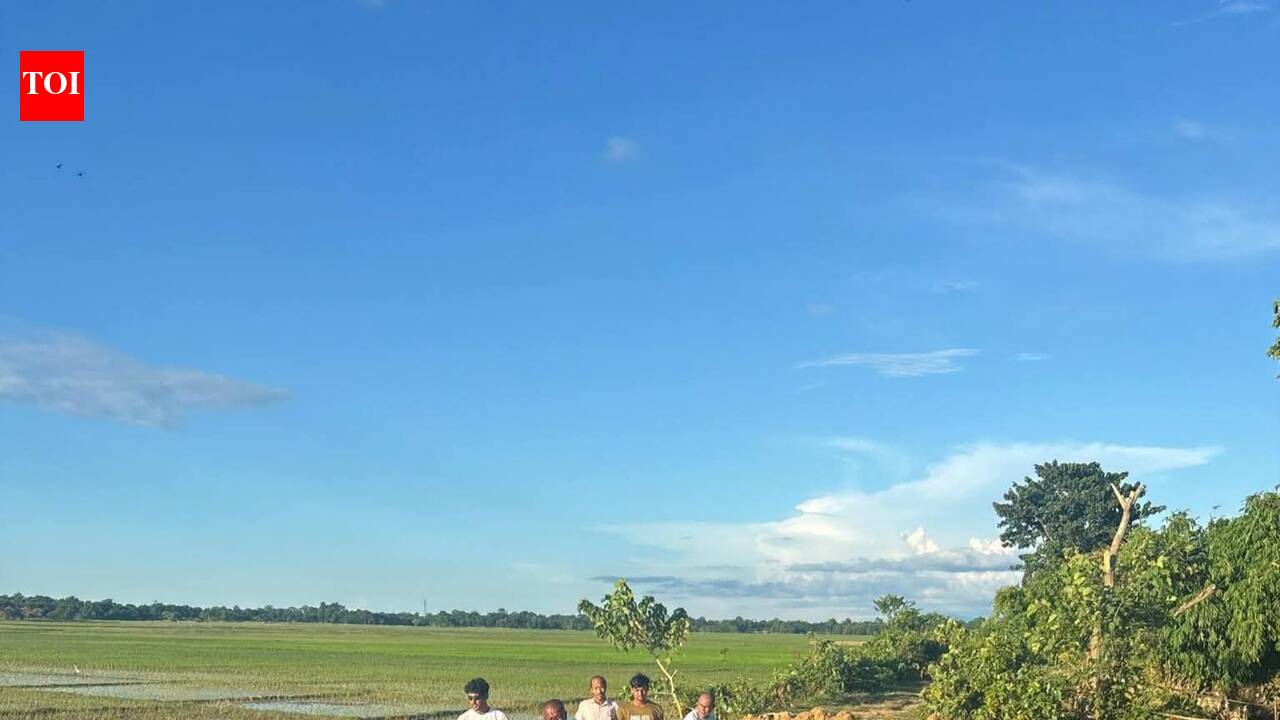
Crews in Jorhat are racing to seal breached embankments as floods batter the region. Workers used geotubes and bamboo to protect communities. Jorhat DC Jay Shivani said, "We are deploying geotubes and bamboo palisading at every critical breach point." Over 1.37 lakh people got affected as officials pushed to finish repairs.

Tap to Read More
15 elephants suspected to have died after eating pesticide-sprayed tomatoes near Kenya's Amboseli National Park

15 elephants suspected to have died after eating pesticide-sprayed tomatoes near Kenya's Amboseli National Park

The Times of India

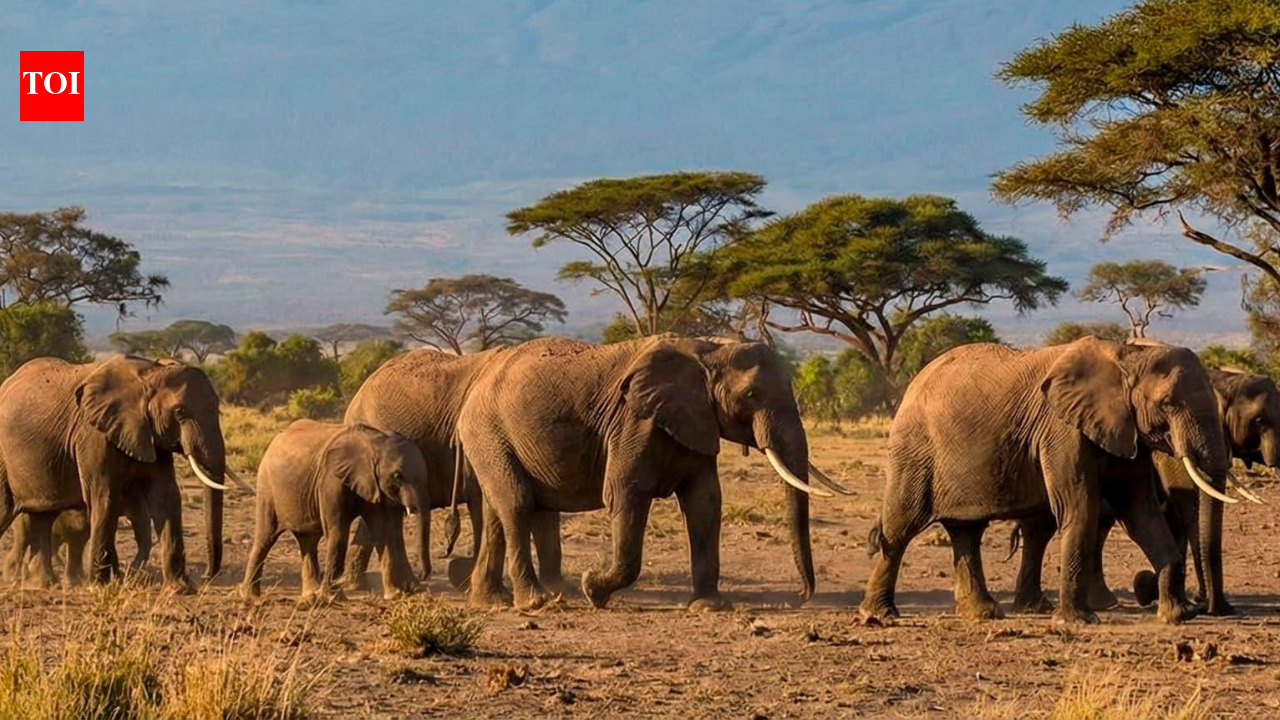
15 elephants died in southern Kenya between 24 June and 24 July after suspected poisoning. Wildlife authorities said laboratory tests showed cyanide in the animals. Investigators believe the elephants got sick after eating pesticide-sprayed tomatoes near Amboseli National Park. Officials are still working to find how the contamination started.

Tap to Read More
China’s forest gains hide a 'bitter' truth: We are losing our last truly natural wild spaces.

China’s forest gains hide a 'bitter' truth: We are losing our last truly natural wild spaces.

The Times of India

China gained 447,500 sq km of planted forest between 1990 and 2020, but lost 219,100 sq km of natural forest. By 2020, only 9.6% of natural forests remained fully intact. Researchers said combining all forest types hides the truth, as natural forests became more fragmented while tree plantations grew rapidly across China.

Tap to Read More
NGT orders joint inspection of chromite mining pollution in Sukinda

NGT orders joint inspection of chromite mining pollution in Sukinda

Times of India

The National Green Tribunal ordered a joint inspection of chromite mining in Sukinda Valley on July 23. The bench said, “Prima facie, the allegations made in the petition raise substantial questions relating to environment.” Officials must now check if mine waste polluted the Damsala nullah and the Brahmani river.

Tap to Read More
We’re losing the stars: 1.7 million new satellites will 'permanently' scar our night sky.

We’re losing the stars: 1.7 million new satellites will 'permanently' scar our night sky.

Times of India

Scientists warn that over 1.7 million planned satellites could create space pollution and change the night sky. A 2026 study showed this massive increase in orbital traffic threatens astronomy. Without strict rules on satellite brightness, experts said the ability of the public to view a dark sky may be compromised forever.

Tap to Read More
From Ajanta to Sarnath: The story of India's Unesco World Heritage Sites

From Ajanta to Sarnath: The story of India's Unesco World Heritage Sites

Indian Express

Sarnath is now India's 45th Unesco World Heritage Site. The World Heritage Committee approved this status during its 48th session held earlier this month. This ancient Buddhist site joins a prestigious list that started with the Ajanta Caves in 1983. India now has the sixth-highest number of sites globally.

Tap to Read More
Warming seas are 'failing' our cod and herring—and the consequences for our oceans are dire.

Warming seas are 'failing' our cod and herring—and the consequences for our oceans are dire.

The Times of India

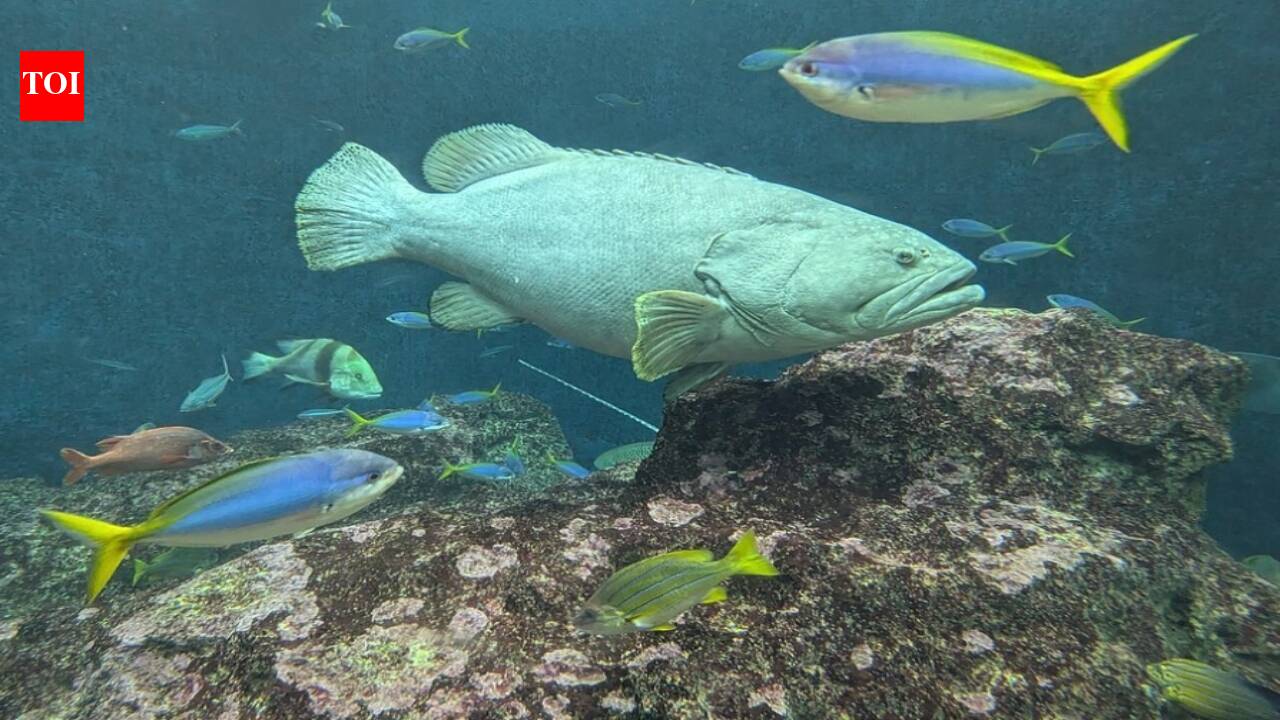
A study in Scientific Reports showed that warming water in the Western Baltic Sea affects fish differently. Cod and herring are more vulnerable as temperatures rise, while sprat may be better positioned. Researchers said, "The split could reshape which fish end up on Baltic dinner plates and which species dominate."

Tap to Read More
From barren wasteland to forest: Ohio’s ‘massive’ effort brings life back to abandoned mines

From barren wasteland to forest: Ohio’s ‘massive’ effort brings life back to abandoned mines

The Times of India

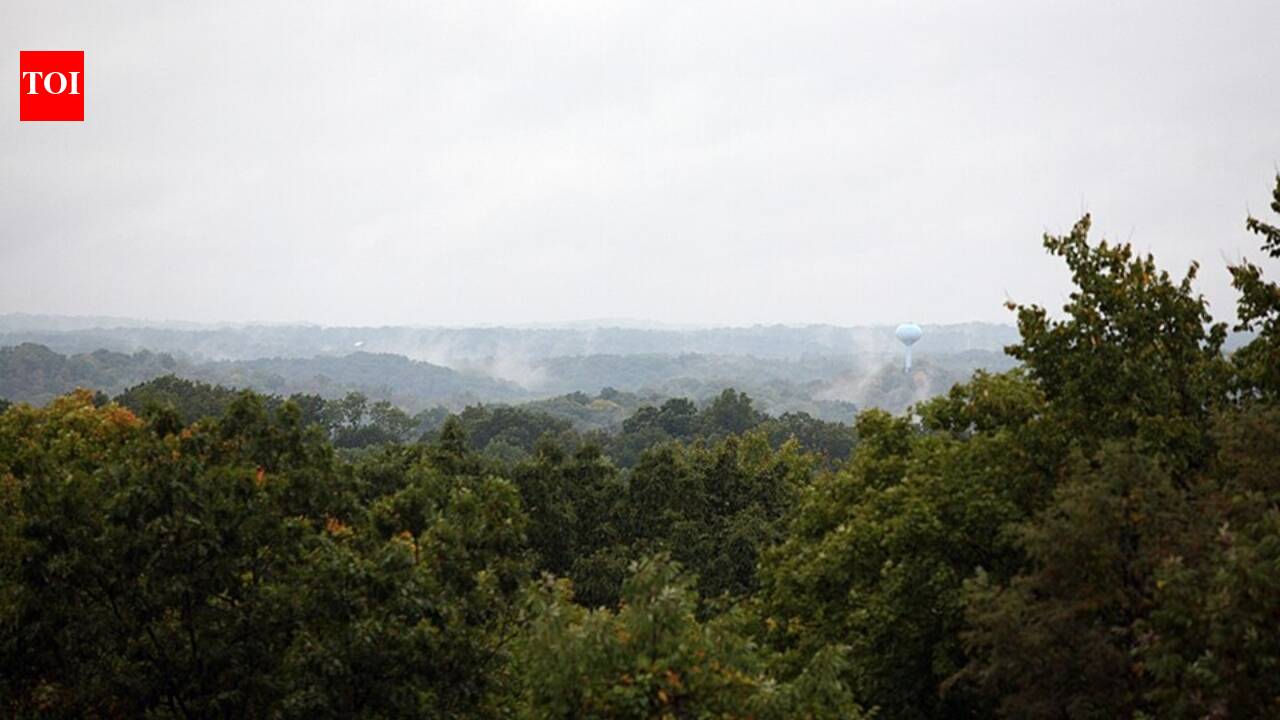
Ohio planted nearly 7.2 million trees on more than 5,500 acres of abandoned mines. The state used the Forestry Reclamation Approach to turn barren ground back into forest. This science-based method helped native trees grow on old coal sites, which improved water quality and created new homes for many animals.

Tap to Read More
We brought them here for 'beauty,' but now these swans are destroying our wetlands and pushing out native birds.

We brought them here for 'beauty,' but now these swans are destroying our wetlands and pushing out native birds.

The Times of India

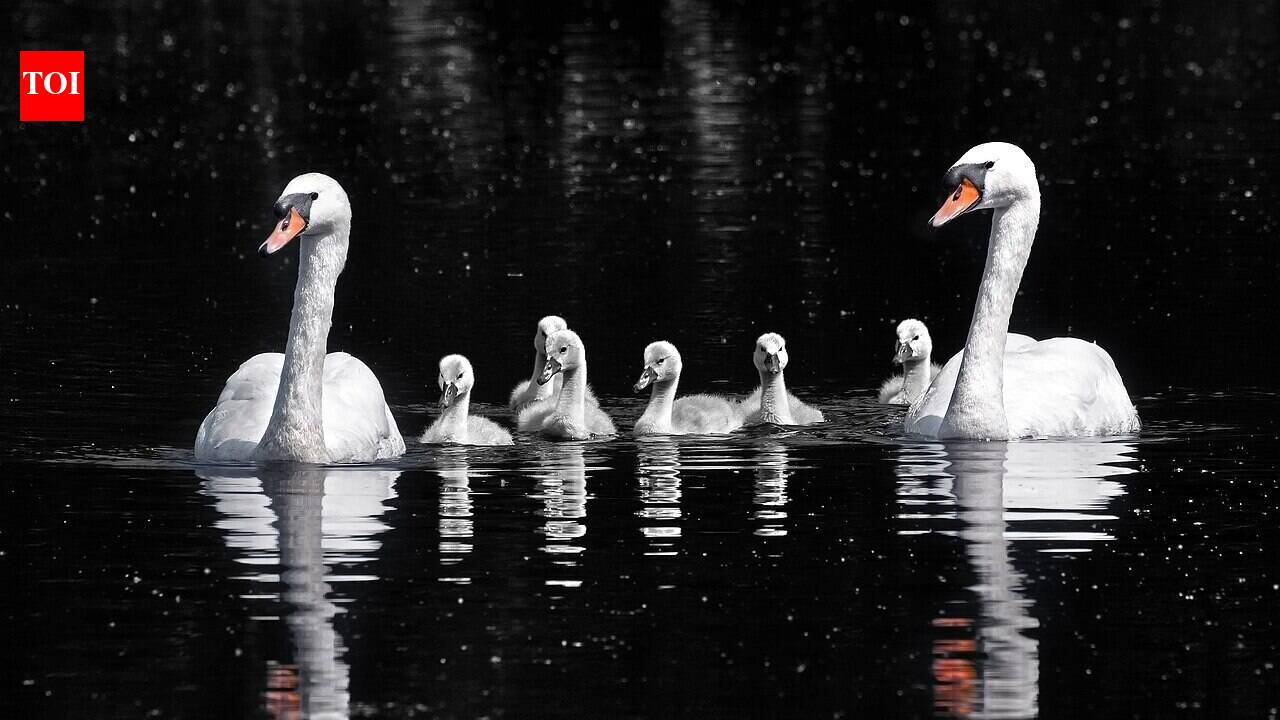
America imported mute swans in the late nineteenth century to decorate parks and private estates. These birds later damaged wetlands and displaced native waterbirds. Their feeding habits destroyed underwater vegetation, which many fish and other species need to survive. The growing population now poses a serious threat to the ecosystem.

Tap to Read More
An 'Invasion' is Coming: Why These Freshwater Hotspots are Now at Risk

An 'Invasion' is Coming: Why These Freshwater Hotspots are Now at Risk

The Times of India

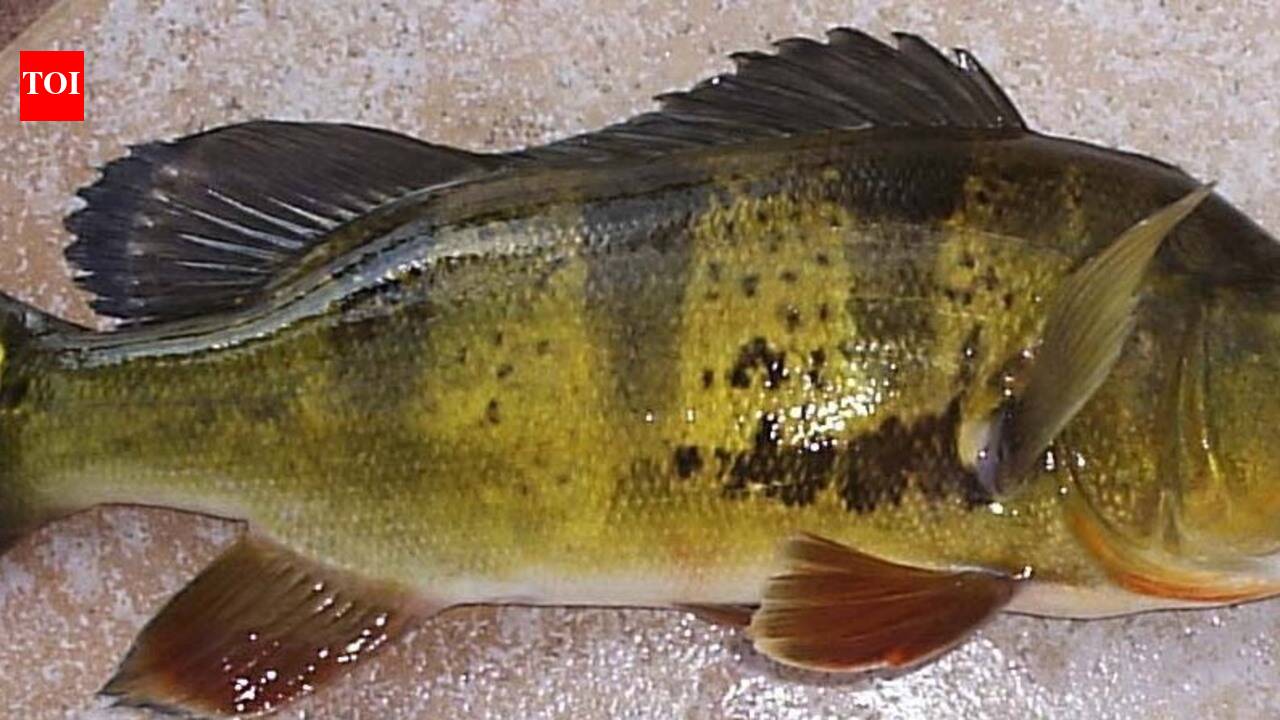
A 2024 study assessed peacock bass invasion risk across Neotropical freshwater ecoregions. Researchers found that several areas in Brazil, Central America, and the Caribbean remain hotspots for future invasions. The team said, "identifying such areas before new species are introduced would help direct monitoring efforts more effectively" to protect ecosystems.

Tap to Read More