Short news for quality minds. Power your niche.

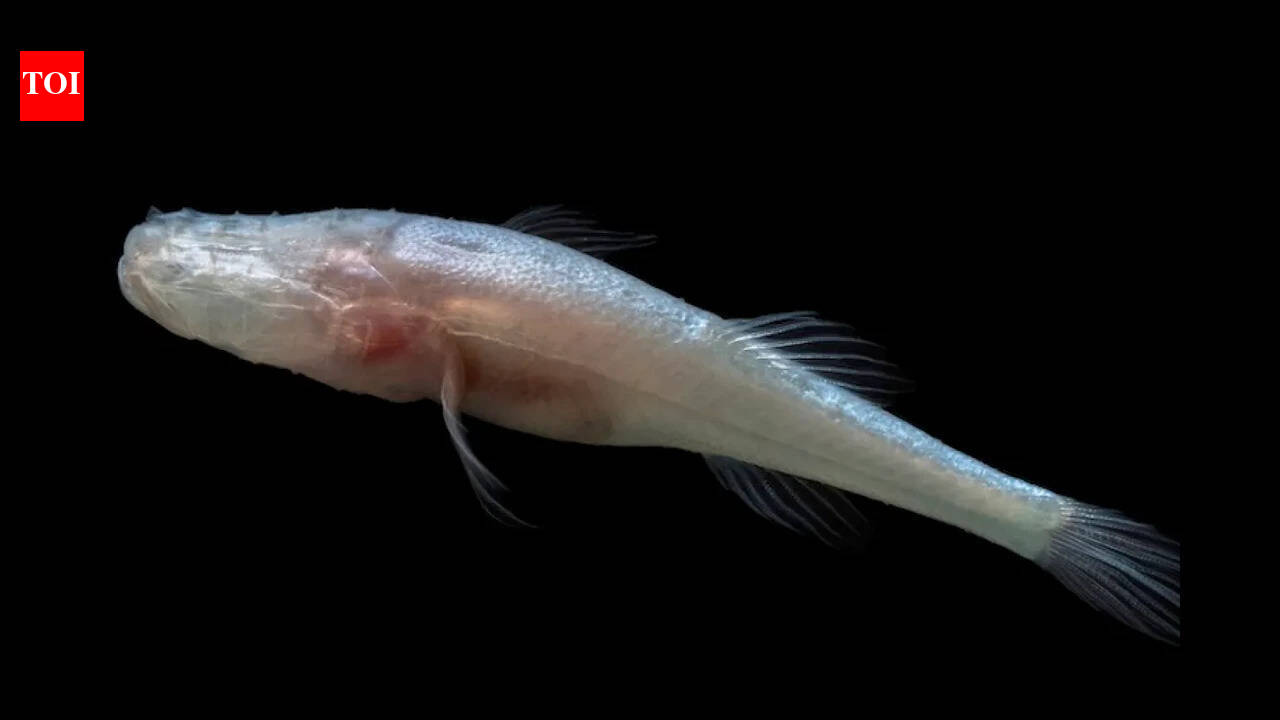
Scientists discover a new eyeless cavefish genus hidden for decades inside one of America's most closely monitored caves

Scientists discover a new eyeless cavefish genus hidden for decades inside one of America's most closely monitored caves

The Times of India

Scientists discovered a new eyeless cavefish genus inside Bobcat Cave in northern Alabama after 30 years of surveys. Researchers found the fish, named Demogorgonichthys arcanus, hiding in plain sight. It looked just like a known species, so experts missed it for decades. This rare find happened within the Redstone Arsenal grounds.


Tap to Read More
Forest bathing study: 3 day forest walk boosted NK cells for 30 days

Forest bathing study: 3 day forest walk boosted NK cells for 30 days

India Today

A study by scientist Qing Li showed that a three-day forest walk boosted NK cells for 30 days. The research found that breathing in tree compounds helps the immune system. Sridhar Vembu said, "We need to live closer to nature and in harmony with nature." Many people now use forest bathing.

Tap to Read More
Where to buy solar eclipse glasses for Aug. 12 eclipse: Top US and European options for travelers

Where to buy solar eclipse glasses for Aug. 12 eclipse: Top US and European options for travelers

Space

The Aug. 12 total solar eclipse is approaching, with prime viewing spots in Greenland, Iceland, and Spain. Experts said you must use ISO 12312-2 certified glasses to protect your eyes. Many retailers in the US and Europe sell these safe options, as standard sunglasses will not keep you safe.

Tap to Read More
This school-bus-sized “terror croc” ate dinosaurs. Now it’s back

This school-bus-sized “terror croc” ate dinosaurs. Now it’s back

ScienceDaily

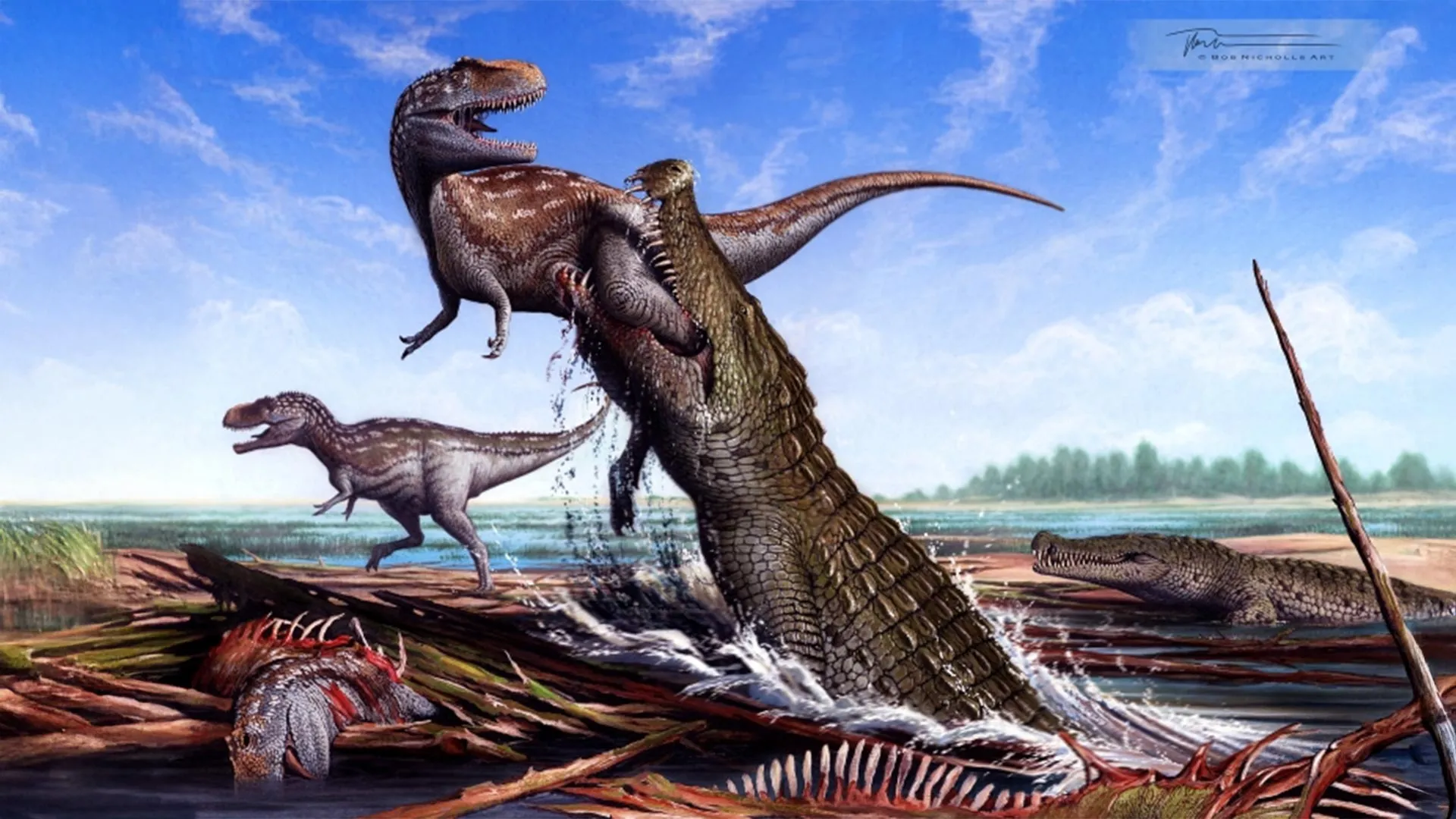
The Tellus Science Museum in Cartersville, Georgia, recently installed a skeleton replica of the Deinosuchus schwimmeri. This school-bus-sized predator lived between 83 million and 76 million years ago. Rebecca Melsheimer said, "The scale of the dinosaurs and other creatures that lived during the Late Cretaceous epoch is hard to capture."

Tap to Read More
80-million-year-old snake brain reveals a surprising evolutionary secret

80-million-year-old snake brain reveals a surprising evolutionary secret

ScienceDaily

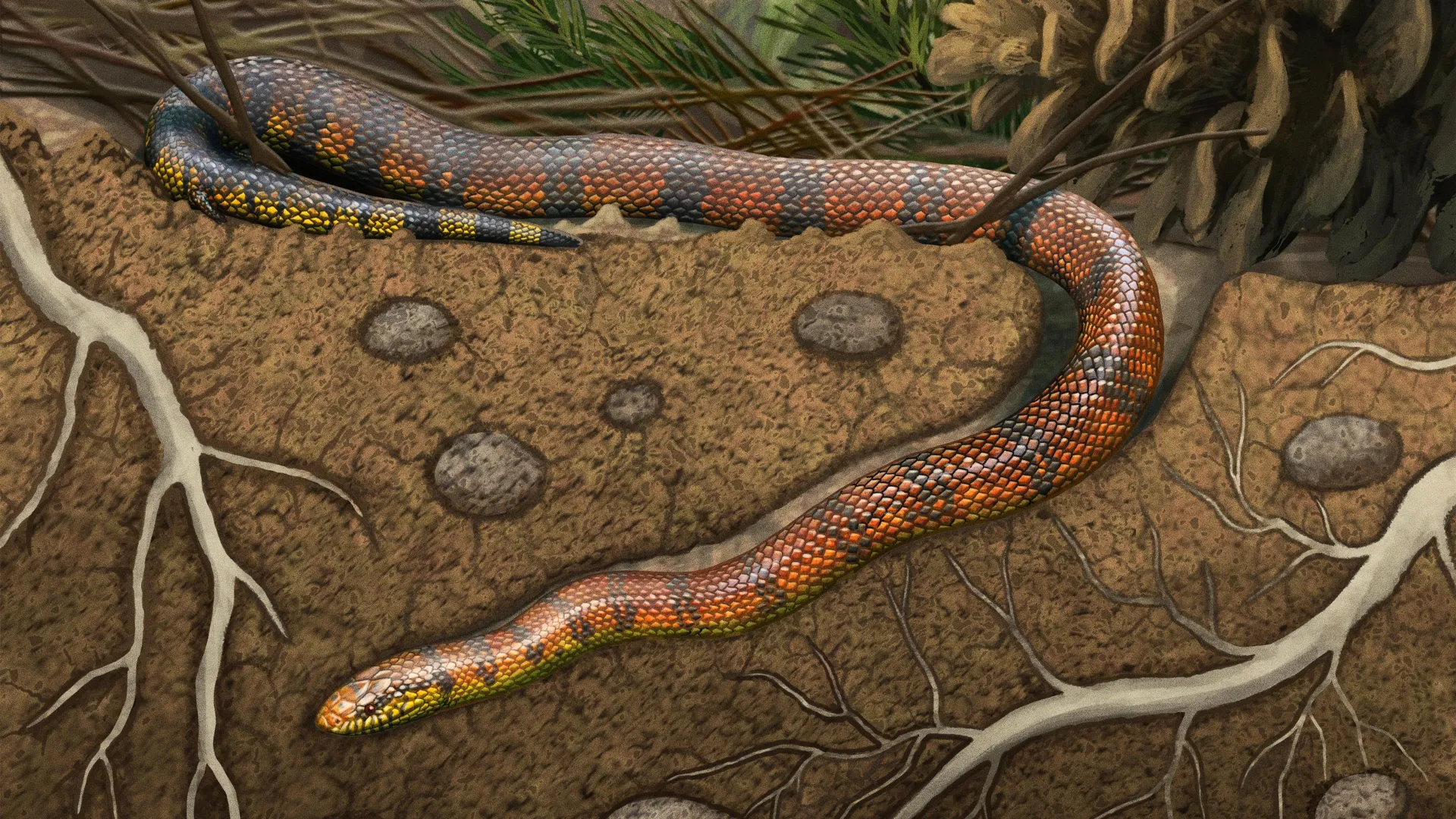
Researchers found an 80-million-year-old snake fossil in Brazil named Tametara mirim. New research shows early snakes lived in many habitats, not just one. "Our findings show that early snakes had already achieved remarkable ecological and morphological diversity by the Late Cretaceous," said lead author Tiago Simões. Snakes adapted quickly.

Tap to Read More
Lithops werneri: The tiny Namibian plant that survives by disguising itself as a pebble. Fewer than 200 now remain in the wild

Lithops werneri: The tiny Namibian plant that survives by disguising itself as a pebble. Fewer than 200 now remain in the wild

The Times of India

Fewer than 200 Lithops werneri plants remain in the wild in Namibia’s Erongo Mountains. This tiny succulent, which looks like a pebble, got listed as critically endangered in February 2026. Sonja Loots said, "Lithops werneri has always had a naturally restricted range." Many collectors and climate changes caused this sharp fall.

Tap to Read More
SpaceX rocket piece 'crashes' into Moon: 4-tonne stage hurtles in at 8,700 kmph

SpaceX rocket piece 'crashes' into Moon: 4-tonne stage hurtles in at 8,700 kmph

The Times of India

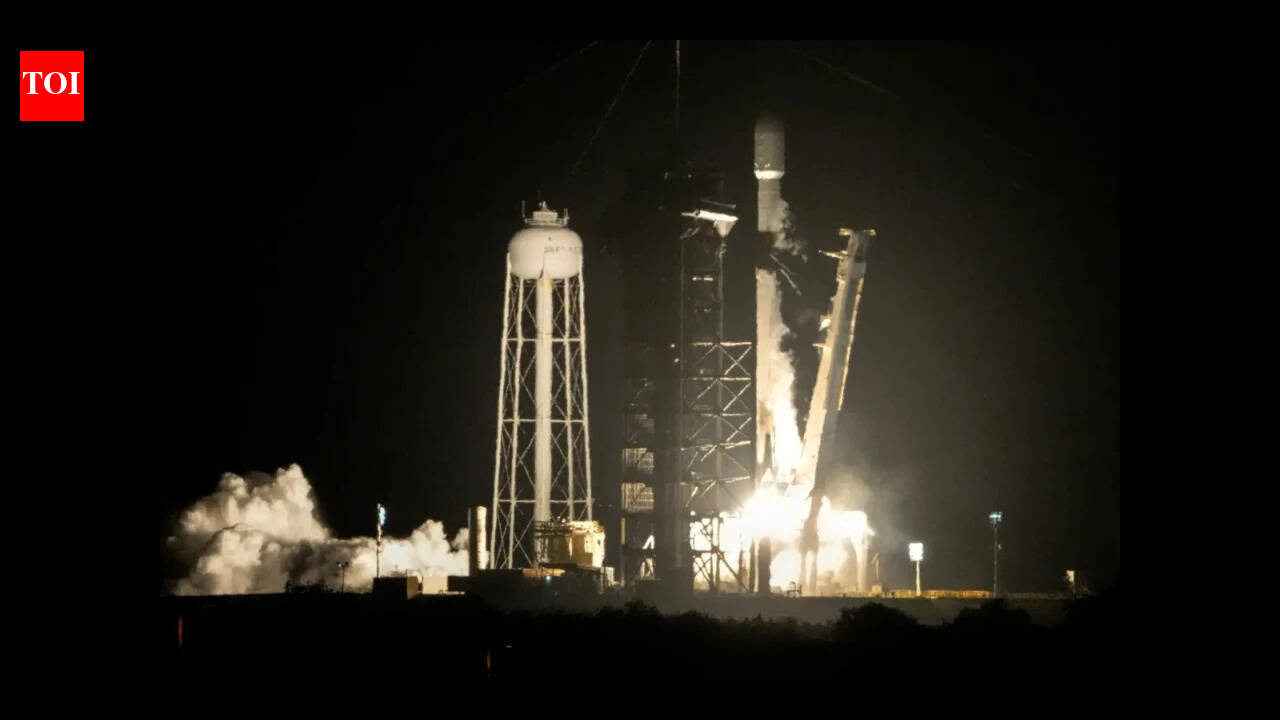
A four-tonne piece of SpaceX rocket debris slammed into the Moon at 8,700 kmph after drifting for over a year. The impact, involving a Falcon 9 stage from January 2025, likely created a large crater. Nasa plans to study the site to see how such objects change the lunar surface.

Tap to Read More
School-bus-size object from SpaceX rocket believed to have crashed into moon's Einstein Crater

School-bus-size object from SpaceX rocket believed to have crashed into moon's Einstein Crater

Economic Times

A discarded SpaceX Falcon 9 rocket stage likely crashed into the moon’s Einstein Crater early Wednesday. The 4-tonne object travelled at 8,690 kph after a January 2025 mission. Julianna Scheiman said, "What has happened is essentially a mixture of solar activity and gravity forces have put it on a path."

Tap to Read More
Antarctica is hiding a desert so dry it has changed little for millions of years: NASA says its landscape resembles Mars

Antarctica is hiding a desert so dry it has changed little for millions of years: NASA says its landscape resembles Mars

The Times of India

The McMurdo Dry Valleys in Antarctica cover 4,800 square kilometers and remain the largest ice-free region on the continent. NASA says the landscape resembles Mars, making it a perfect testing ground for space exploration. Powerful winds keep the area dry, preserving ancient soils that have changed little for millions of years.

Tap to Read More
A 'hidden' world under Antarctic ice: Scientists find ancient life trapped in a secret reservoir

A 'hidden' world under Antarctic ice: Scientists find ancient life trapped in a secret reservoir

The Times of India

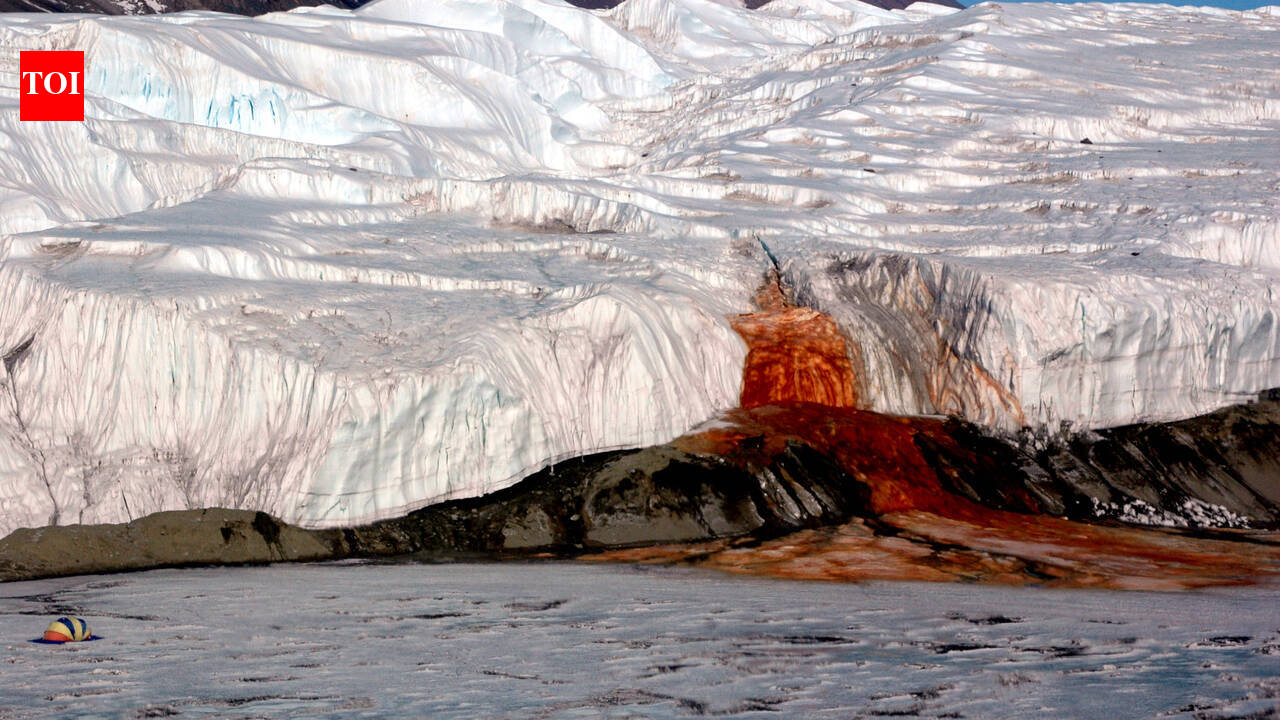
Researchers found marine microbial DNA inside a red brine pool hidden beneath Antarctica’s McMurdo Dry Valleys. A study in Nature Geoscience said this evidence shows ancient seawater got trapped under glaciers tens of thousands of years ago. The salty water stayed liquid, keeping these tiny organisms alive under the ice.

Tap to Read More
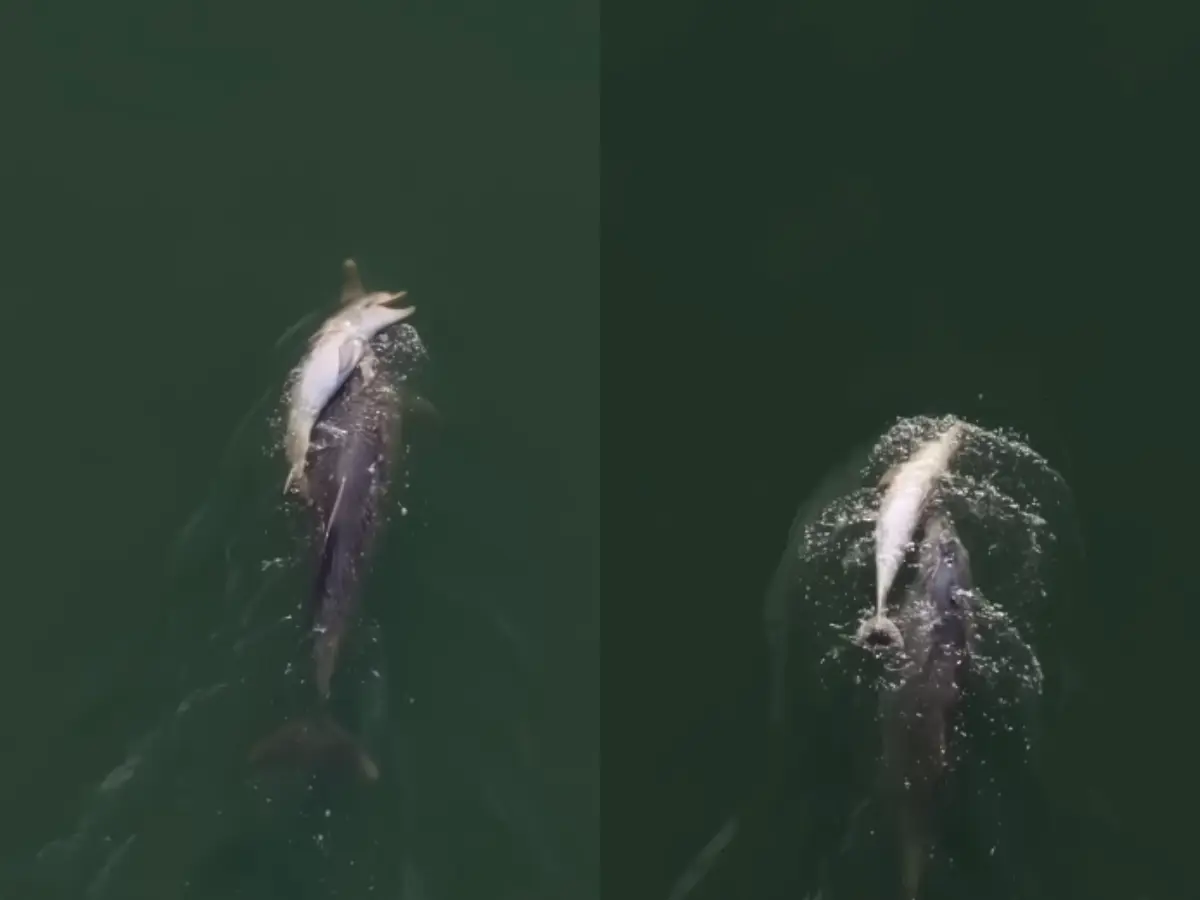
Was the mother dolphin 'mourning'? Viral video of her keeping afloat a dead calf leads to discussion on animal behaviour

Was the mother dolphin 'mourning'? Viral video of her keeping afloat a dead calf leads to discussion on animal behaviour

WION

A viral video posted on July 20 shows a mother dolphin named Fraggle carrying her dead calf near Perth, Australia. Scientists say this behaviour suggests animals experience grief. "It's absolutely clear that this is a mother grieving for her child," said neuroscientist Lori Marino, noting the pod stayed close by.

Tap to Read More
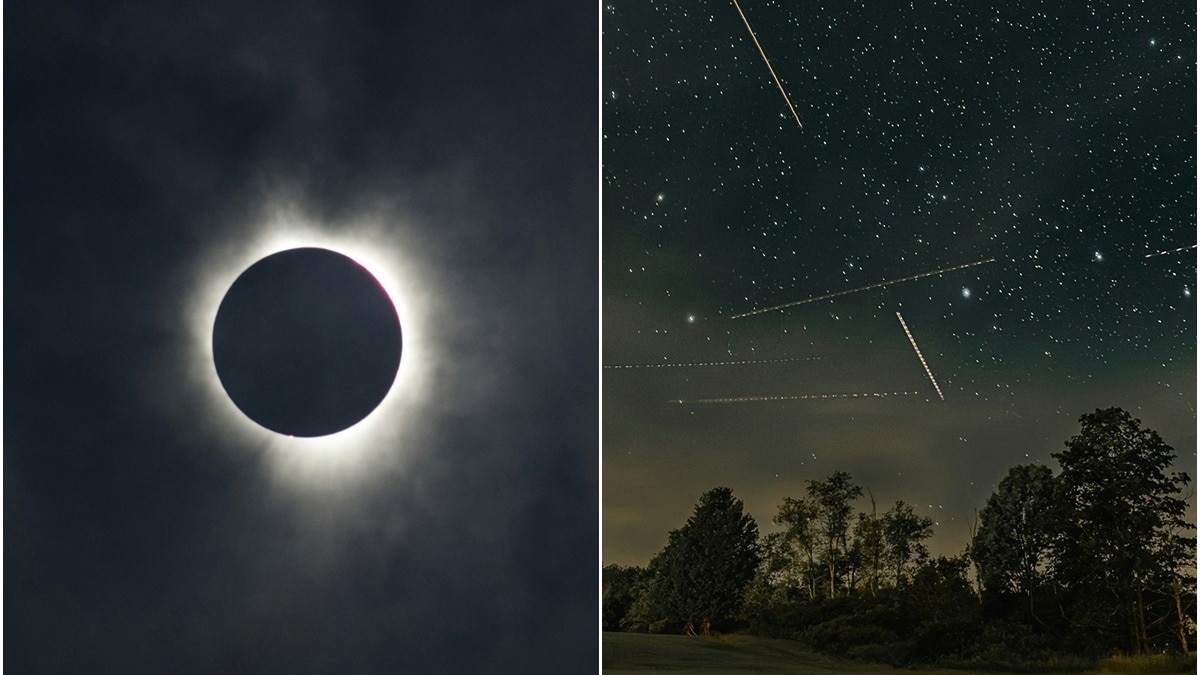
Cosmic marathon on August 12: Total solar eclipse by day, meteor shower at night

Cosmic marathon on August 12: Total solar eclipse by day, meteor shower at night

India Today

Skywatchers will see a total solar eclipse and the Perseid meteor shower on Wednesday, August 12. The Moon will block the Sun during the day, while comet debris will light up the night sky. Since it is a New Moon, the dark skies will help people see many shooting stars.

Tap to Read More